


 Nikkei 225 Surges Past 58,000 as Japan Stocks Rally on Takaichi Stimulus Boost
  Trump to Unveil Multi-Billion Dollar Gaza Reconstruction Plan and U.N.-Backed Stabilization Force
  Japan Warns on Yen Volatility as Currency Surges Against Dollar
  Russian Strikes Kill Four Civilians in Ukraine’s Dnipropetrovsk Region
  House Votes to End Trump’s Canada Tariff Emergency, Senate Showdown Looms
  Federal Judge Blocks Trump Administration’s $600 Million Public Health Funding Cuts to Democratic-Led States
  Australian Central Bank Signals Tough Stance as Inflation Pressures Persist
  Trump Executive Order Aims to Boost U.S. Coal Power Plants with Pentagon Support
  Gold and Silver Prices Rise as Falling U.S. Yields Signal Softer Economy Ahead of Key Jobs Data
  Asian Currencies Rise as Dollar Weakens Ahead of U.S. Payrolls Data; Aussie Hits Three-Year High
  FAA Confirms $1.5 Billion Peraton Contract as U.S. Air Traffic Control Overhaul Accelerates
  Mexico Senate Approves 40-Hour Workweek Reform, Bill Advances to Lower House
  Japan Signals Openness to Gradual BOJ Rate Hikes as Deflation Era Ends
  Australian Liberal Party to Elect New Leader After Sussan Ley Loses Party Room Vote
  Asian Markets Slip as Tech Stocks Tumble Ahead of Key U.S. Inflation Data
  Fed Governor Stephen Miran Warns Tight Monetary Policy Threatens U.S. Economic Growth
  UK Commits £150 Million to PURL Initiative to Boost Ukraine Air Defense with U.S. Weapons


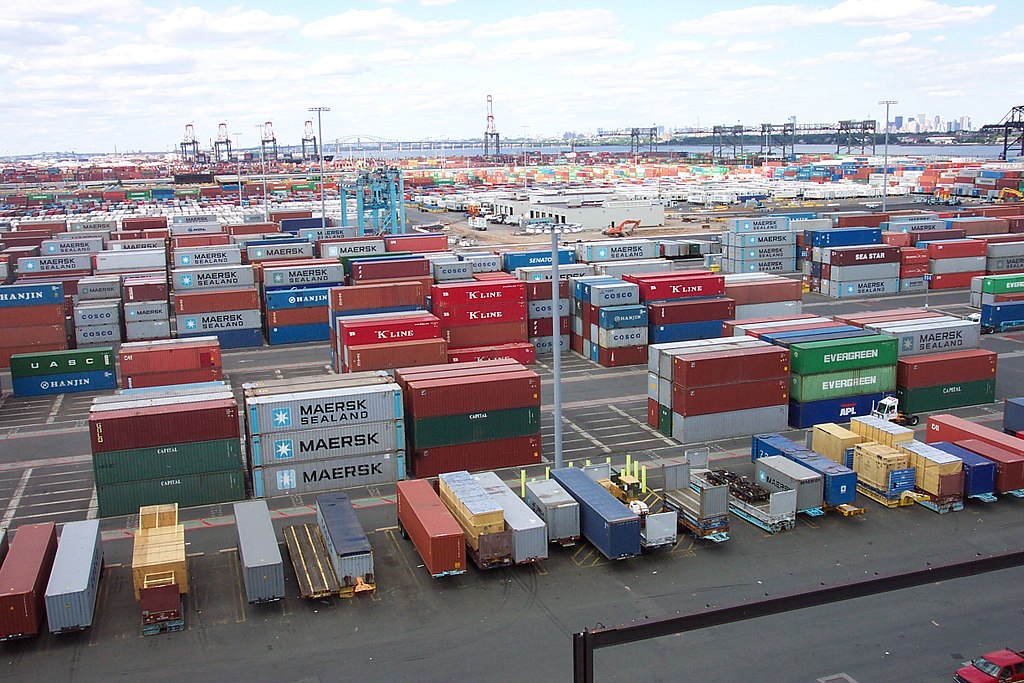
The United States and Taiwan have finalized a reciprocal trade agreement that sets a 15% U.S. tariff rate on imports from Taiwan while paving the way for lower Taiwanese tariffs on nearly all American goods. The deal, confirmed by the U.S. Trade Representative’s office, strengthens U.S.–Taiwan trade relations and reshapes supply chains in key sectors such as semiconductors, energy, and advanced technology.
Under the agreement, Taiwan will significantly increase purchases of U.S. products between 2025 and 2029. Planned imports include $44.4 billion in liquefied natural gas and crude oil, $15.2 billion in civil aircraft and engines, and $25.2 billion in power grid equipment, generators, marine equipment, and steelmaking machinery. These commitments are designed to narrow the growing U.S. trade deficit with Taiwan, which reached $126.9 billion in the first 11 months of 2025, largely due to increased imports of high-end AI chips.
The new trade framework builds on a January deal that reduced tariffs on Taiwanese exports, including semiconductors, from 20% to 15%, aligning Taiwan with regional competitors such as South Korea and Japan. Taiwan also secured exemptions on more than 2,000 product categories exported to the U.S., lowering the average tariff rate to 12.33%.
Taiwan has pledged $250 billion in corporate investments in U.S. semiconductor manufacturing, energy, and artificial intelligence projects, with Taiwan Semiconductor Manufacturing Co. already committing $100 billion. Additional collaboration is expected in greenfield and brownfield investments across strategic high-tech industries.
The agreement eliminates tariffs of up to 26% on many U.S. agricultural exports, including beef, dairy, and corn, while reducing others, such as pork and ham, to 10%. Taiwan will also remove non-tariff barriers on U.S. vehicles and adopt American safety standards for automobiles, medical devices, and pharmaceuticals.
Pending approval by Taiwan’s parliament, the trade pact is positioned to enhance economic cooperation, secure resilient supply chains, and deepen the U.S.–Taiwan strategic partnership in high-technology sectors.













