


 Senate Sets December 8 Vote on Trump’s NASA Nominee Jared Isaacman
  SpaceX’s Starship Completes 11th Test Flight, Paving Way for Moon and Mars Missions
  Trump and Merck KGaA Partner to Slash IVF Drug Costs and Expand Fertility Coverage
  Australia Consumer Sentiment Rises in July as Fuel Price Relief Lifts Confidence
  Blue Origin New Glenn Rocket Explodes During Launch Pad Test, Delaying Space Ambitions
  Iraq PM Visits Washington as U.S. Oil, Gas Deals Take Center Stage
  South Korea Central Bank Set to Raise Interest Rates as Inflation Stays Elevated
  EU Weighs New Trade Restrictions on Israeli West Bank Settlements
  China Trade Surplus Hits $125.6 Billion as June Exports, Imports Smash Forecasts
  Gordie Howe Bridge to Open July 27 After U.S.-Canada Reach Toll Revenue Agreement
  Is space worth the cost? Accounting experts say its value can’t be found in spreadsheets
  Eli Lilly’s Inluriyo Gains FDA Approval for Advanced Breast Cancer Treatment
  FDA Pilot Program Eases Rules for Nicotine Pouch Makers
  South Korea’s KOSPI Triggers Trading Curb as AI Chip Stock Selloff Deepens
  China vs. NASA: The New Moon Race and What's at Stake by 2030
  BOJ May Raise Japan Growth Forecast While Keeping Focus on Inflation Risks


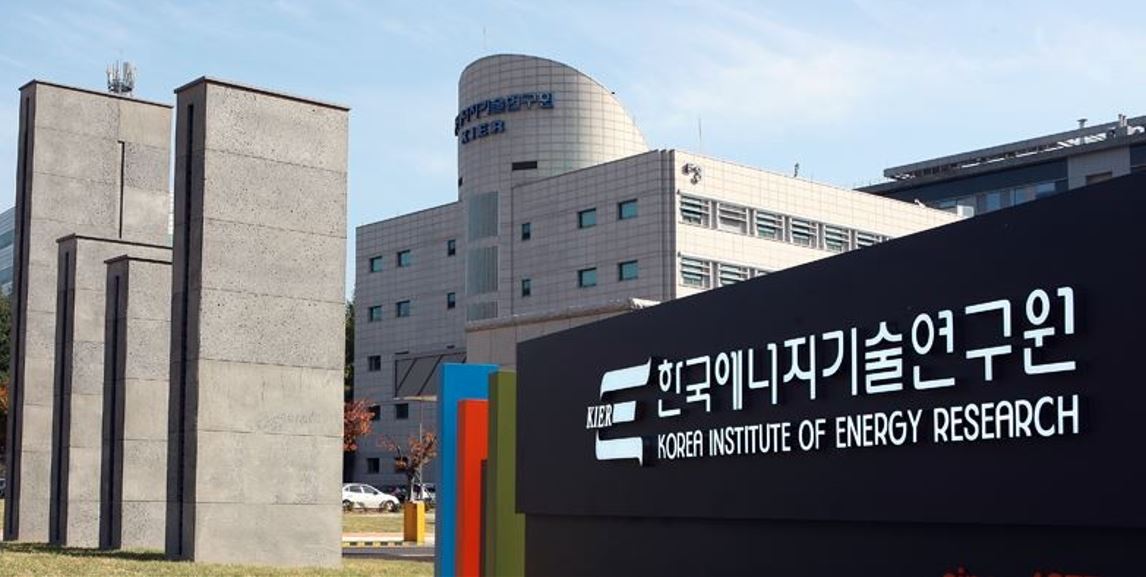
The Korea Institute of Energy Research (KIER) will invest 11.4 billion won in developing a solvent-free process that does not emit carbon dioxide in electrode manufacturing for lithium-ion batteries.
The process eliminates the 42 kilograms of carbon dioxide emitted by an electric car battery per kilowatt-hour to dry the solvent during the wet electrode manufacturing process.
KIER would be collaborating with three research institutions, two companies, and two universities over the next five years in developing devices and equipment based on the concept of dry processing.
The resulting lithium-ion battery has a 1.6 times higher energy density than existing batteries.
It’s also impossible to extend the thickness of electrode coatings up to a certain level element during the wet manufacturing process, thereby limiting energy density.







