


 Trump Says “Very Good Talks” Underway on Russia-Ukraine War as Peace Efforts Continue
  Trump Allows Commercial Fishing in Protected New England Waters
  U.S.-India Trade Framework Signals Major Shift in Tariffs, Energy, and Supply Chains
  Nighttime Shelling Causes Serious Damage in Russia’s Belgorod Region Near Ukraine Border
  Federal Judge Restores Funding for Gateway Rail Tunnel Project
  U.S. to Begin Paying UN Dues as Financial Crisis Spurs Push for Reforms
  New York Legalizes Medical Aid in Dying for Terminally Ill Patients
  US Pushes Ukraine-Russia Peace Talks Before Summer Amid Escalating Attacks
  Missouri Judge Dismisses Lawsuit Challenging Starbucks’ Diversity and Inclusion Policies
  Pentagon Ends Military Education Programs With Harvard University
  Jack Lang Resigns as Head of Arab World Institute Amid Epstein Controversy
  Trump Signs Executive Order Threatening 25% Tariffs on Countries Trading With Iran
  Trump’s Inflation Claims Clash With Voters’ Cost-of-Living Reality
  Norway Opens Corruption Probe Into Former PM and Nobel Committee Chair Thorbjoern Jagland Over Epstein Links
  China Warns US Arms Sales to Taiwan Could Disrupt Trump’s Planned Visit
  South Korea Assures U.S. on Trade Deal Commitments Amid Tariff Concerns


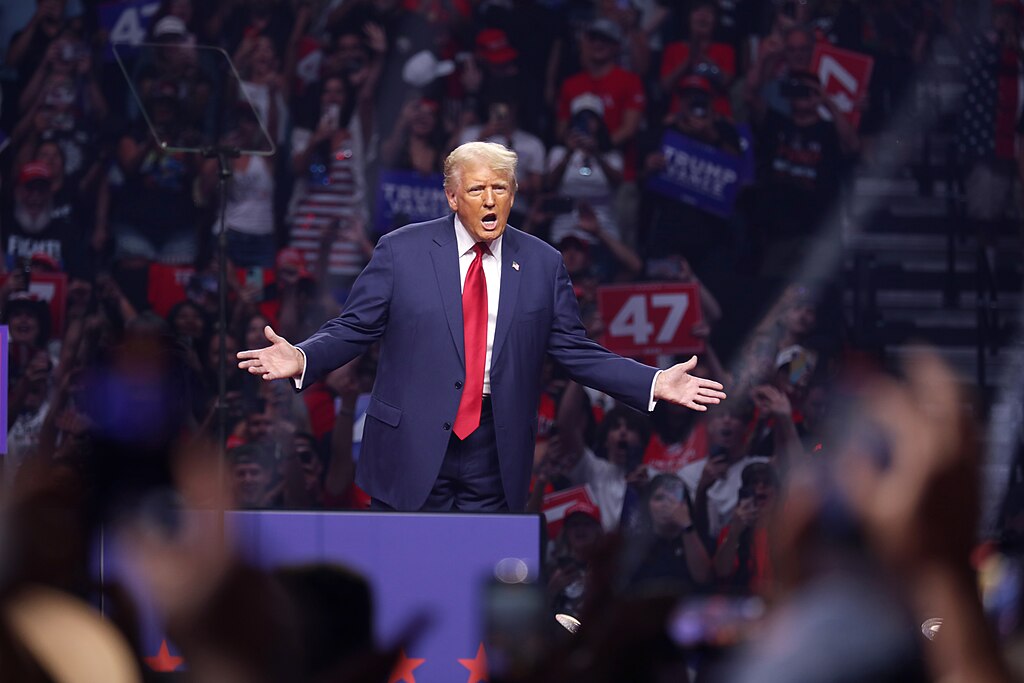
In a decisive policy shift, former President Donald Trump has announced plans to advocate for term limits on members of Congress, aiming to curtail prolonged tenures and promote legislative turnover.
During a recent rally in Colorado Springs, Trump declared his intention to pursue a constitutional amendment imposing term limits on federal lawmakers. He proposed a maximum of three terms (six years) for House representatives and two terms (12 years) for senators.
"Decades of failure in Washington, and decades of special interest dealing, must come to an end," Trump stated. "We have to break the cycle of corruption, and we have to give new voices a chance to go into government service."
The concept of congressional term limits has garnered substantial public support. A 2023 Pew Research Center survey revealed that 87% of Americans favor limiting the number of terms members of Congress can serve.
However, implementing such a change presents significant challenges. Amending the Constitution requires a two-thirds majority in both the House and Senate, followed by ratification from three-fourths of state legislatures. Historically, similar proposals have faced resistance within Congress, where many members are reluctant to limit their own tenure.
Critics argue that term limits could lead to a loss of experienced legislators, potentially diminishing the effectiveness of governance. They contend that institutional knowledge and expertise are vital for crafting complex legislation and navigating the intricacies of federal policy.
Proponents, however, assert that term limits would reduce the influence of special interests and decrease instances of political entrenchment. They believe that regular infusion of new members would foster innovation and better reflect the evolving will of the electorate.
This initiative aligns with Trump's broader agenda to "drain the swamp" and reform Washington's political landscape. During his 2016 campaign, he pledged to "push for a constitutional amendment to impose term limits on all members of Congress."
The proposal has sparked a renewed debate on the balance between experience and fresh perspectives in legislative bodies. As discussions unfold, the feasibility of enacting term limits remains uncertain, given the procedural hurdles and political dynamics involved.
Trump's advocacy for this measure underscores his ongoing influence within the Republican Party and his commitment to reshaping federal governance structures. Whether this effort will gain the necessary traction to effect constitutional change is yet to be determined.













