


 Federal Judge Restores Funding for Gateway Rail Tunnel Project
  Trump Signs Executive Order Threatening 25% Tariffs on Countries Trading With Iran
  Japan’s Prime Minister Sanae Takaichi Secures Historic Election Win, Shaking Markets and Regional Politics
  Nicaragua Ends Visa-Free Entry for Cubans, Disrupting Key Migration Route to the U.S.
  Japanese Pharmaceutical Stocks Slide as TrumpRx.gov Launch Sparks Market Concerns
  Vietnam’s Trade Surplus With US Jumps as Exports Surge and China Imports Hit Record
  Indian Refiners Scale Back Russian Oil Imports as U.S.-India Trade Deal Advances
  Trump Says “Very Good Talks” Underway on Russia-Ukraine War as Peace Efforts Continue
  US Pushes Ukraine-Russia Peace Talks Before Summer Amid Escalating Attacks
  Nikkei 225 Hits Record High Above 56,000 After Japan Election Boosts Market Confidence
  U.S.-India Trade Framework Signals Major Shift in Tariffs, Energy, and Supply Chains
  Antonio José Seguro Poised for Landslide Win in Portugal Presidential Runoff
  Japan Election 2026: Sanae Takaichi Poised for Landslide Win Despite Record Snowfall
  U.S. Lawmakers to Review Unredacted Jeffrey Epstein DOJ Files Starting Monday
  India–U.S. Interim Trade Pact Cuts Auto Tariffs but Leaves Tesla Out
  Trump Administration Appeals Court Order to Release Hudson Tunnel Project Funding
  Dow Hits 50,000 as U.S. Stocks Stage Strong Rebound Amid AI Volatility


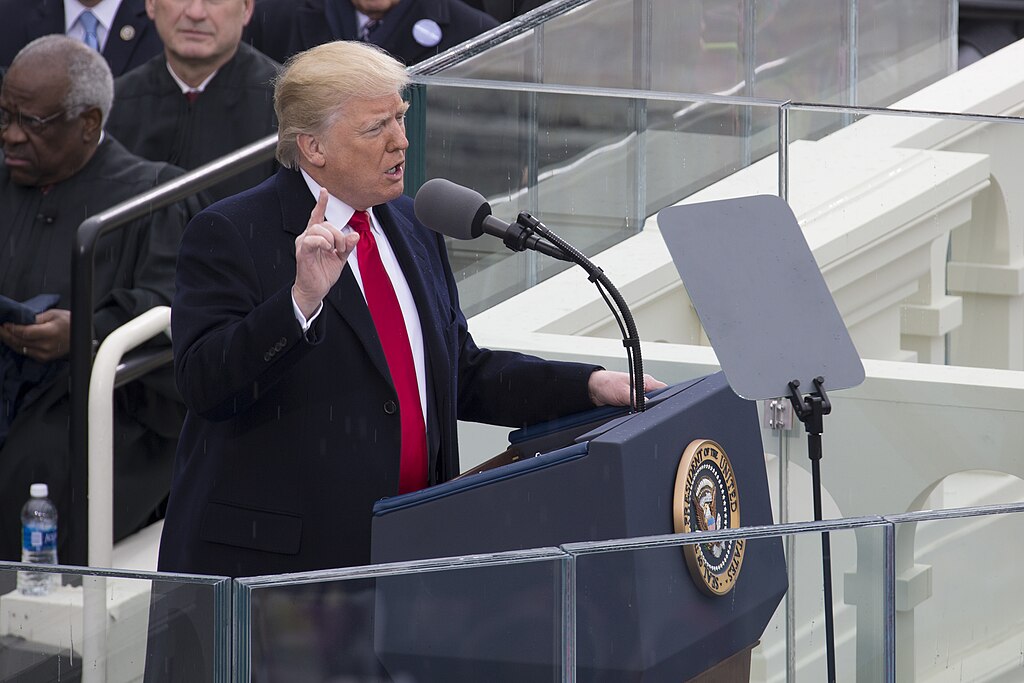
President Donald Trump’s aggressive trade policies continue to spark debates as U.S. farmers report mounting financial challenges in 2025. Tariff battles, fluctuating commodity prices, and new export restrictions are creating significant uncertainty for an agricultural sector heavily reliant on international markets.
Falling Prices and Rising Costs
Farmers nationwide are grappling with declining crop prices attributed to ongoing trade disputes. China, a key buyer of U.S. agricultural goods, has reduced imports of soybeans, corn, and pork in retaliation to new tariffs imposed on Chinese technology and machinery exports.
According to the U.S. Department of Agriculture (USDA), soybean prices have dropped by 18% since January, hovering near $10 per bushel, a stark contrast to pre-tariff levels. For many farmers, this means selling their harvest at a loss.
"Many of us are at a breaking point," said Doug Kramer, a soybean farmer in Iowa. "We’re planting the same fields, working the same hours, but the income just isn’t there anymore."
Meanwhile, production costs continue to climb. Increased tariffs on machinery parts and fertilizers have added to farmers' expenses, further squeezing profit margins. The National Corn Growers Association estimates that the average farmer has seen a 15% rise in operational costs over the past year.
Export Barriers Compound Problems
While Trump’s policies aim to prioritize domestic production and reduce reliance on foreign imports, many farmers rely on international buyers to sustain their operations. China's reduction in U.S. soybean imports, for example, has left many farmers struggling to find alternative markets.
Additionally, Mexico, another major importer of U.S. corn and beef, has imposed counter-tariffs on American agricultural products in response to Trump’s broader trade measures. This has complicated an already precarious situation for farmers trying to diversify export destinations.
The Trump administration has defended its policies, asserting they are necessary to level the playing field and bring back manufacturing jobs. However, critics argue that the agricultural sector has become an unintended casualty in the escalating trade wars.
"The president says these policies are about strengthening America, but it feels like we’re being left behind," said Kramer.
Government Aid Sparks Mixed Reactions
In response to mounting pressure, the federal government has expanded its financial aid programs for farmers. The USDA announced a $15 billion relief package to help offset losses from tariffs, but many in the industry argue it’s not a long-term solution.
"The aid helps, but it doesn’t fix the market disruptions," said Sarah Hayes, a dairy farmer in Wisconsin. "We don’t want handouts—we want fair trade policies."
Netizens React to Farmers’ Plight
On social media, reactions to the ongoing crisis have been polarized:
- @FarmTruth2025: "Farmers are the backbone of this country, and these policies are destroying their livelihoods."
- @ProTradeWins: "Trump’s trade wars were needed. Farmers should adapt to these new realities like everyone else."
- @MidwestAngler: "It’s heartbreaking to see my community suffering while Washington plays politics."
- @PolicyWatchdog: "Aid packages are a band-aid. Farmers need stable markets, not government checks."
- @TradeReformNow: "Tariffs are hurting the wrong people. How much more damage before changes are made?"
- @AgriBizReports: "Farmers deserve better. These policies are short-sighted and harmful to rural America."













