


 Ohio Man Indicted for Alleged Threat Against Vice President JD Vance, Faces Additional Federal Charges
  Trump Allegedly Sought Airport, Penn Station Renaming in Exchange for Hudson River Tunnel Funding
  Trump Says “Very Good Talks” Underway on Russia-Ukraine War as Peace Efforts Continue
  U.S. Announces Additional $6 Million in Humanitarian Aid to Cuba Amid Oil Sanctions and Fuel Shortages
  U.S. Lawmakers to Review Unredacted Jeffrey Epstein DOJ Files Starting Monday
  Trump Allows Commercial Fishing in Protected New England Waters
  New York Legalizes Medical Aid in Dying for Terminally Ill Patients
  China Warns US Arms Sales to Taiwan Could Disrupt Trump’s Planned Visit
  Missouri Judge Dismisses Lawsuit Challenging Starbucks’ Diversity and Inclusion Policies
  U.S. to Begin Paying UN Dues as Financial Crisis Spurs Push for Reforms
  UAE Plans Temporary Housing Complex for Displaced Palestinians in Southern Gaza
  Ukraine-Russia Talks Yield Major POW Swap as U.S. Pushes for Path to Peace
  Trump Rejects Putin’s New START Extension Offer, Raising Fears of a New Nuclear Arms Race
  Trump Lifts 25% Tariff on Indian Goods in Strategic U.S.–India Trade and Energy Deal
  South Korea Assures U.S. on Trade Deal Commitments Amid Tariff Concerns
  Trump Signs “America First Arms Transfer Strategy” to Prioritize U.S. Weapons Sales


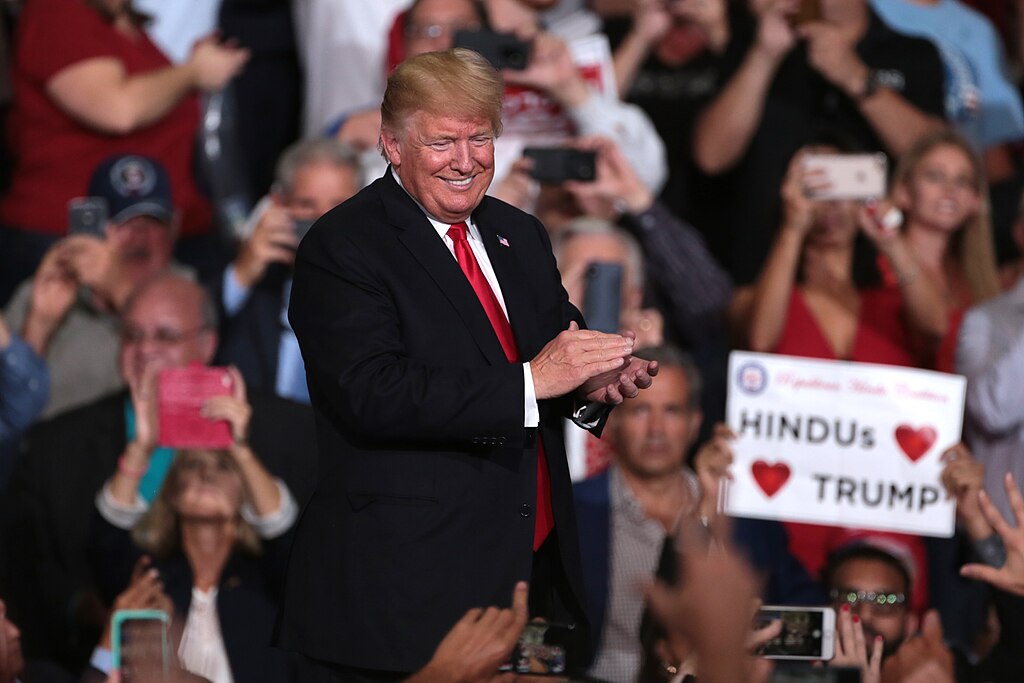
As President Donald Trump prepares to commence his second term in January 2025, his administration is poised to implement a series of policies that could significantly reshape the technology industry. These initiatives encompass regulatory reforms, antitrust actions, and strategic appointments, reflecting a comprehensive approach to addressing longstanding concerns about Big Tech's influence and operations.
Antitrust Measures and Regulatory Reforms
A central component of Trump's tech policy is the intensification of antitrust scrutiny on major technology firms. The administration has signaled intentions to dismantle monopolistic structures within the industry, aiming to foster competition and innovation. This approach aligns with the perspectives of key appointees who have been vocal critics of Big Tech's market dominance.
Strategic Appointments Reflecting a Hardline Stance
The selection of individuals for pivotal roles underscores the administration's commitment to stringent oversight of the tech sector:
-
Attorney General Nominee: Rep. Matt Gaetz
Known for his critical views on tech companies, Gaetz has advocated for robust antitrust actions and has expressed concerns over free speech issues related to social media platforms. -
Federal Communications Commission (FCC) Chair Nominee: Brendan Carr
Carr has a history of challenging major tech firms and has called for the elimination of Section 230 protections, which shield online platforms from liability for user-generated content. -
Department of Government Efficiency Head: Elon Musk
The appointment of Musk, a prominent entrepreneur, suggests a focus on reducing bureaucratic hurdles and promoting innovation within the tech industry.
Project 2025: A Blueprint for Tech Policy
The administration's tech strategy is influenced by "Project 2025," a policy document developed by conservative think tanks outlining a roadmap for governance. The project advocates for expanding presidential powers, deregulating industries, and implementing measures that could significantly impact media and technology policies. Notably, several of Trump's appointees contributed to this document, indicating its potential influence on forthcoming policies.
Implications for Big Tech and the Broader Industry
The proposed policies have elicited varied reactions within the tech community:
-
Increased Oversight: Companies may face heightened scrutiny regarding antitrust practices, potentially leading to structural changes and increased competition.
-
Regulatory Uncertainty: The potential repeal of Section 230 could alter the operational landscape for social media platforms, affecting content moderation and liability.
-
Innovation Dynamics: While deregulation efforts aim to spur innovation, concerns persist about the balance between fostering technological advancement and ensuring consumer protection.
Conclusion
President Trump's forthcoming tech policies represent a concerted effort to recalibrate the relationship between the government and the technology sector. By implementing stringent regulatory measures and appointing officials with critical perspectives on Big Tech, the administration seeks to address issues of market dominance and accountability. The unfolding developments will be closely monitored by industry stakeholders, policymakers, and consumers, as they hold the potential to redefine the technological landscape in the United States.













