


 Israel Sets October 27 Election as Netanyahu Faces Tough Political Test
  EU Ministers Split as Support Grows for Ban on Trade With Israeli West Bank Settlements
  DOJ Subpoenas New York Times Journalists Over Air Force One Leak Report
  UK Sanctions 24 Russian-Linked Targets Over Cyberattacks and Election Interference
  UN Says Hamas Disrupted Gaza Aid Distribution, Group Denies Allegations
  Israeli Strikes Kill Six in Gaza as Ceasefire Talks Continue in Cairo
  Zelenskiy Plans Ukraine Government Shake-Up as Prime Minister Svyrydenko Set to Step Down
  Trump, Canada Reach Gordie Howe Bridge Deal Ahead of July 27 Opening
  Ukraine, Europe Launch Freyja Missile Shield to Strengthen Air Defense Against Russia
  Iranian Missile Strike on UAE Oil Tankers Kills Indian Crew Member in Strait of Hormuz
  Republican Senator Lindsey Graham Dies at 71, Leaving South Carolina Senate Seat Vacant
  Ann Widdecombe Murder: Police Arrest Second Suspect, Rule Out Terrorism Motive
  Brazil Court Bars Flavio Bolsonaro From Visiting Jair Bolsonaro Ahead of Election
  Trump Recommends Darline Graham for Interim South Carolina Senate Seat
  Trump Administration Bars U.S. Travelers From Congo Flights Amid Ebola Outbreak
  Iran Says It Closes Strait of Hormuz After Warning Shot at Vessel
  HHS Watchdog Reports $5.56 Billion in Healthcare Fraud Recoveries as Enforcement Actions Decline


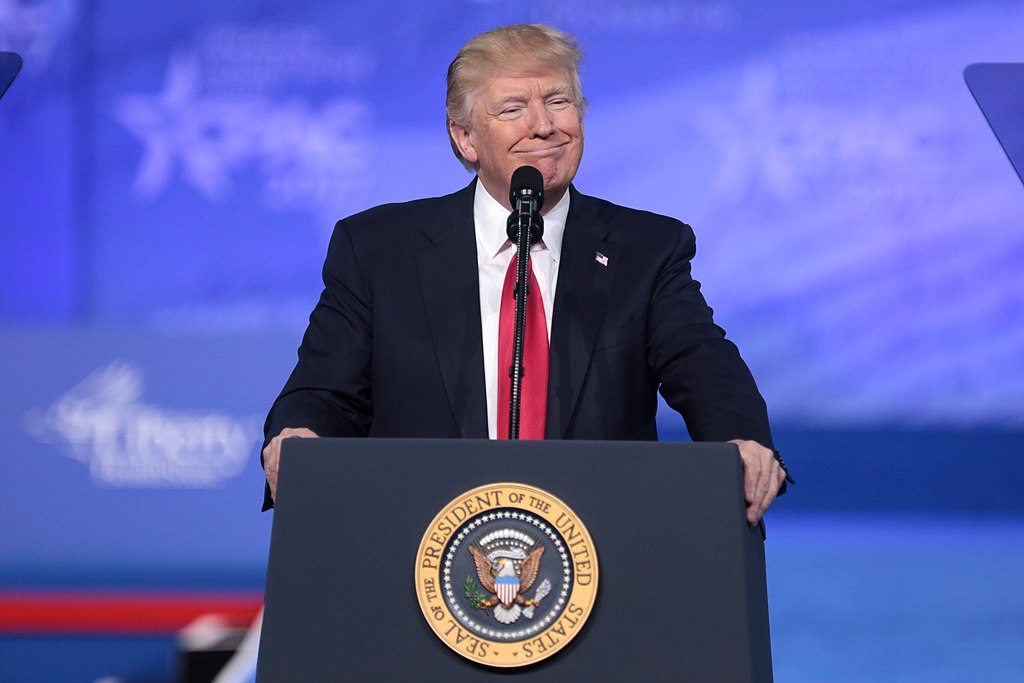
As President Donald Trump begins his second term in 2025, his administration’s approach to minimum wage policy is drawing sharp criticism and praise from opposing sides. Trump has reiterated his belief that the federal government should not mandate a higher minimum wage, emphasizing the role of market dynamics and state autonomy in determining wage floors. This decision has reignited debates over economic inequality and the struggles faced by low-income workers.
During his first term, Trump rejected proposals to increase the federal minimum wage from $7.25 an hour, a figure unchanged since 2009. His administration argued that wage increases should be left to individual states, citing varied economic conditions and costs of living across the country. In 2025, the same stance remains central to his administration's economic policy.
Supporters Call for State Flexibility, Critics Cite Rising Costs
Supporters of Trump’s stance argue that a uniform federal minimum wage increase could harm small businesses, especially in rural areas where operating costs are lower. They believe that state and local governments are better positioned to decide appropriate wage levels for their populations. Proponents also claim that artificially inflating wages could lead to job cuts, increased automation, and higher consumer prices.
Critics, however, paint a starkly different picture. Labor unions and workers' rights advocates have highlighted the increasing cost of living and the struggles of low-wage earners. They argue that a higher federal minimum wage is necessary to address economic inequality and improve the standard of living for millions of Americans.
Shannon Riley, a policy analyst at the Economic Justice Institute, said, “The reality is that $7.25 is no longer a livable wage anywhere in the country. States alone cannot fix this issue.”
Netizens have also weighed in, with mixed reactions online:
- @FairWage2025: “$7.25 is not a livable wage. People are struggling while billionaires get richer. #RaiseTheWage”
- @FreeMarketRules: “Wages should reflect market demand, not government mandates. Trump's decision is the right one for businesses. #Trump2025”
- @JusticeForWorkers: “Leaving wage increases to the states is a cop-out. Workers deserve better. #LivingWageNow”
- @SmallBizOwner23: “A federal hike would crush my business. State-level decisions make more sense. #SupportSmallBusiness”
- @WorkingClassHero: “How are families supposed to survive on $7.25? This policy shows a lack of compassion.”
- @TrumpFan2025: “Trump is protecting jobs by rejecting unrealistic wage hikes. States should have the power to decide. #TrumpEconomy”
Economic Implications of Wage Stagnation
Economists remain divided on Trump’s approach. Opponents warn that stagnant wages will exacerbate income inequality and push more families into poverty. Meanwhile, advocates for a decentralized approach say the policy will prevent job losses and keep small businesses afloat.
Reports from the U.S. Department of Labor reveal that 20 states still adhere to the federal minimum wage, leaving millions of workers earning $7.25 per hour. Critics argue that without federal intervention, these workers will continue to fall behind as inflation erodes their purchasing power.
As debates continue, the political fallout from Trump’s decision on the minimum wage is likely to influence discussions on broader economic policy and income inequality in 2025.







