


 Netanyahu to Meet Trump in Washington as Iran Nuclear Talks Intensify
  Jack Lang Resigns as Head of Arab World Institute Amid Epstein Controversy
  Ohio Man Indicted for Alleged Threat Against Vice President JD Vance, Faces Additional Federal Charges
  TrumpRx Website Launches to Offer Discounted Prescription Drugs for Cash-Paying Americans
  U.S. Announces Additional $6 Million in Humanitarian Aid to Cuba Amid Oil Sanctions and Fuel Shortages
  TrumpRx.gov Highlights GLP-1 Drug Discounts but Offers Limited Savings for Most Americans
  U.S. to Begin Paying UN Dues as Financial Crisis Spurs Push for Reforms
  Pentagon Ends Military Education Programs With Harvard University
  US Pushes Ukraine-Russia Peace Talks Before Summer Amid Escalating Attacks
  India–U.S. Interim Trade Pact Cuts Auto Tariffs but Leaves Tesla Out
  Trump Says “Very Good Talks” Underway on Russia-Ukraine War as Peace Efforts Continue
  Federal Judge Restores Funding for Gateway Rail Tunnel Project
  Iran–U.S. Nuclear Talks in Oman Face Major Hurdles Amid Rising Regional Tensions
  Nighttime Shelling Causes Serious Damage in Russia’s Belgorod Region Near Ukraine Border
  U.S.-India Trade Framework Signals Major Shift in Tariffs, Energy, and Supply Chains
  Trump Lifts 25% Tariff on Indian Goods in Strategic U.S.–India Trade and Energy Deal
  Trump Signs “America First Arms Transfer Strategy” to Prioritize U.S. Weapons Sales


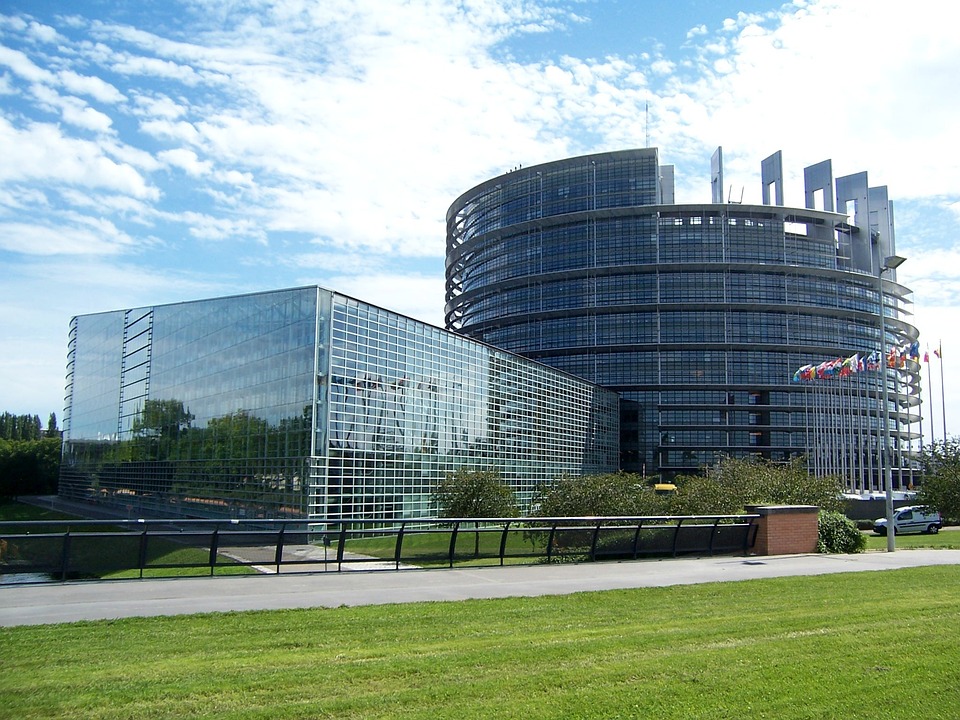
In an effort to actively combat climate change, the countries in the European Union have all agreed to adopt a mechanism that would impose carbon dioxide emissions tariffs. The tariffs would target imports of polluting goods.
The EU countries have agreed to adopt a mechanism that would impose tariffs on imported polluting goods such as iron, steel, cement, fertilizers, aluminum, and electricity. The mechanism, also known as the Carbon Border Adjustment Mechanism, will target the industrial imports of the 27 member countries of the EU, with the highest polluting products first.
The deal to adopt the mechanism was reached Tuesday in Brussels and would require companies, both domestic EU and overseas firms, to buy certificates to cover the embedded carbon dioxide emissions. Companies outside the EU are already required to obtain permits from the EU carbon market before they pollute.
“CBAM will be a crucial pillar of European climate policies,” said European Parliament member Mohammed Chahim from the Netherlands, in a statement issued by the parliament. “It is one of the only mechanisms we have to incentivize our trading partners to decarbonize their manufacturing industry.”
Chahim said that it would allow the bloc to “apply the ‘polluter pays’ principle to our industry.”
The goal of the mechanism is that European companies would not be undercut by cheaper goods that are produced in countries with weaker environmental rules. The deal also includes imported hydrogen that was initially not proposed by the bloc but lawmakers have pushed for during negotiations. Some details on the mechanism have yet to be determined this week in related negotiations related to the reform of an EU carbon market.
On the same day, the bloc’s foreign ministers have agreed to grant Bosnia candidate status to join the EU. This would put the Balkan nation on the road to membership.
Russia’s invasion of Ukraine has prompted the EU to consider expansion toward the eastern European countries. The willingness comes as the bloc is concerned that Russia and China may attempt to spread their influence into the Balkan regions should the countries hoping to join the bloc are thwarted.













