


 Microsoft Eyes $7B Texas Energy Deal to Power AI Data Centers
  Fonterra Admits Anchor Butter "Grass-Fed" Label Misled Consumers After Greenpeace Lawsuit
  Federal Judge Blocks Pentagon's Blacklisting of AI Company Anthropic
  Apple Turns 50: From Garage Startup to AI Crossroads
  Annie Altman Amends Sexual Abuse Lawsuit Against OpenAI CEO Sam Altman
  MATCH Act Targets ASML and Chinese Chipmakers in New U.S. Export Crackdown
  Elon Musk Ties SpaceX IPO Access to Mandatory Grok AI Subscriptions
  Makemation: a Nollywood movie that shows AI in action in Africa
  Samsung Electronics Posts Eightfold Profit Surge Driven by AI Chip Demand
  Britain Courts Anthropic Amid US Defense Department Dispute
  NASA's Artemis II Mission: First Crewed Lunar Journey Since Apollo
  Chinese Universities with PLA Ties Found Purchasing Restricted U.S. AI Chips Through Super Micro Servers
  First Western Ship Transits Strait of Hormuz Since Iran War Began
  Ford Issues Major Recall on Over 422,000 Vehicles Due to Windshield Wiper Defect
  SoftwareONE Posts 22.5% Revenue Surge in 2025 on Crayon Acquisition
  Cybersecurity Stocks Tumble After Anthropic's Claude Mythos AI Leak Sparks Market Fears
  TSMC Japan's Second Fab to Produce 3nm Chips by 2028


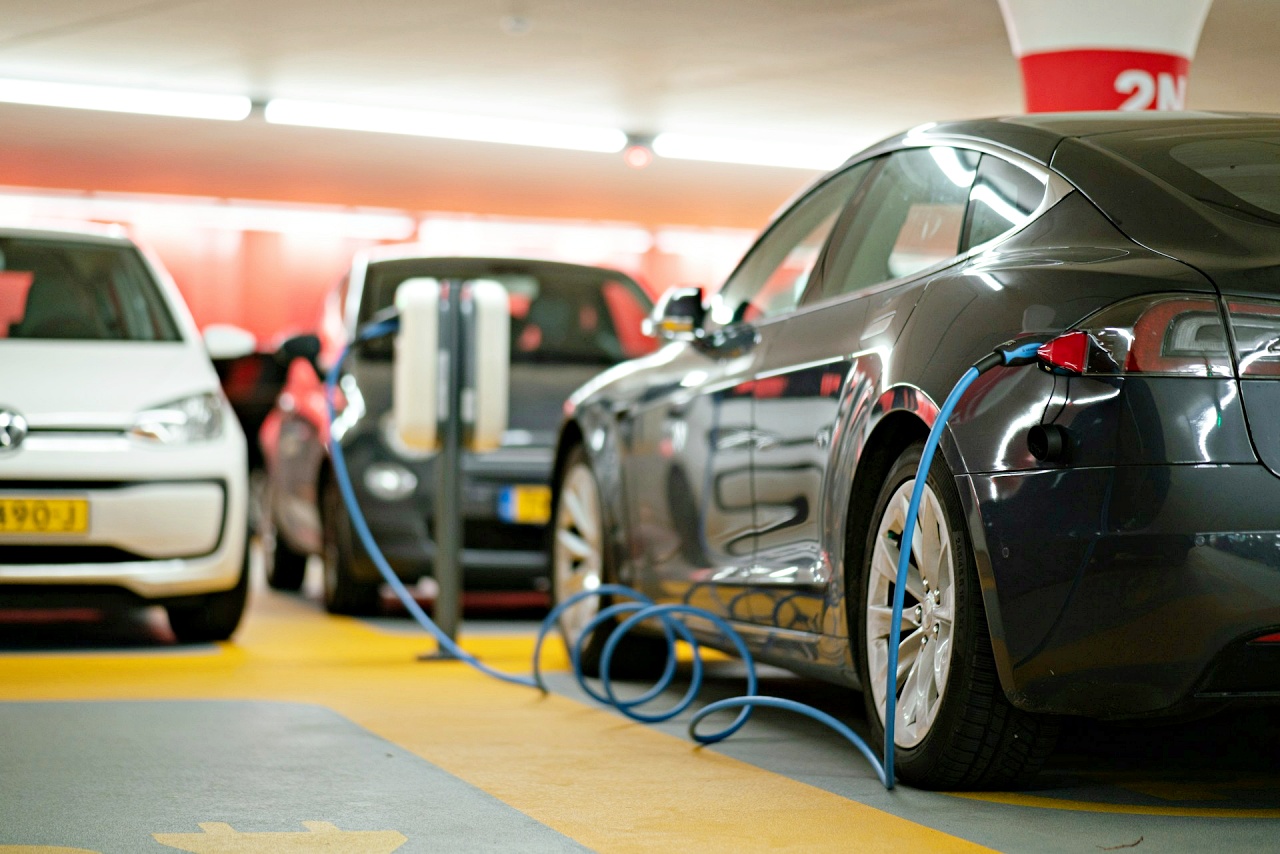
Electric vehicles are gaining popularity in South Korea, and the cumulative number of units sold in the country has already exceeded 500,000. This shows that more and more people are buying EVs, especially now that 300,000 charging stations have been installed throughout the region.
According to The Korea Economic Daily, the number of EVs given was based on last year's registrations. It was also noted that this is the first time EV chargers in the country have reached more than 300,000 units, meaning that around 1.8 EVs are using one charger.
Electric Vehicle Registrations in Korea
The Korea Automobile Manufacturers Association (KAMA), the Integrated Zero Emission Vehicle Portal, and the Ministry of Land, Infrastructure and Transport (MOLIT) stated that EV registrations from 2017 reached 543,900 units in 2023. This figure shows a 39.5% increase compared to the previous year when just 389,855 units were registered.
In 2020, the number of EVs reached 134,962 units, the first time registrations had hit more than 100,000 units. The figure has been growing since then, and there could be a new number now as it has been months since the last record was updated.
Hyundai’s IONIQ EV
Chosun Business reported that Hyundai’s IONIQ 5 electric vehicle was listed as the model and brand with the highest registration in South Korea. It sold 70,756 units in total.
While EVs and chargers are climbing by about 100,000 per year, the growth rate has slowed over the last two years. This is because as more charging stations are built, the number of electric vehicles per charger slowly diminishes as well. Meanwhile, as of last year, the number of chargers supplied was 305,309, with 270,923 slow chargers and 34,386 rapid chargers installed.
Photo by: Michael Fousert/Unsplash







