


 SpaceX Reports $8 Billion Profit as IPO Plans and Starlink Growth Fuel Valuation Buzz
  Palantir Stock Jumps After Strong Q4 Earnings Beat and Upbeat 2026 Revenue Forecast
  Elon Musk’s SpaceX Acquires xAI in Historic Deal Uniting Space and Artificial Intelligence
  CK Hutchison Launches Arbitration After Panama Court Revokes Canal Port Licences
  Amazon Stock Rebounds After Earnings as $200B Capex Plan Sparks AI Spending Debate
  OpenAI Expands Enterprise AI Strategy With Major Hiring Push Ahead of New Business Offering
  SpaceX Updates Starlink Privacy Policy to Allow AI Training as xAI Merger Talks and IPO Loom
  Oracle Plans $45–$50 Billion Funding Push in 2026 to Expand Cloud and AI Infrastructure
  Alphabet’s Massive AI Spending Surge Signals Confidence in Google’s Growth Engine
  Ford and Geely Explore Strategic Manufacturing Partnership in Europe
  SoftBank Shares Slide After Arm Earnings Miss Fuels Tech Stock Sell-Off
  Trump Backs Nexstar–Tegna Merger Amid Shifting U.S. Media Landscape
  Instagram Outage Disrupts Thousands of U.S. Users
  SpaceX Prioritizes Moon Mission Before Mars as Starship Development Accelerates
  Global PC Makers Eye Chinese Memory Chip Suppliers Amid Ongoing Supply Crunch
  Baidu Approves $5 Billion Share Buyback and Plans First-Ever Dividend in 2026


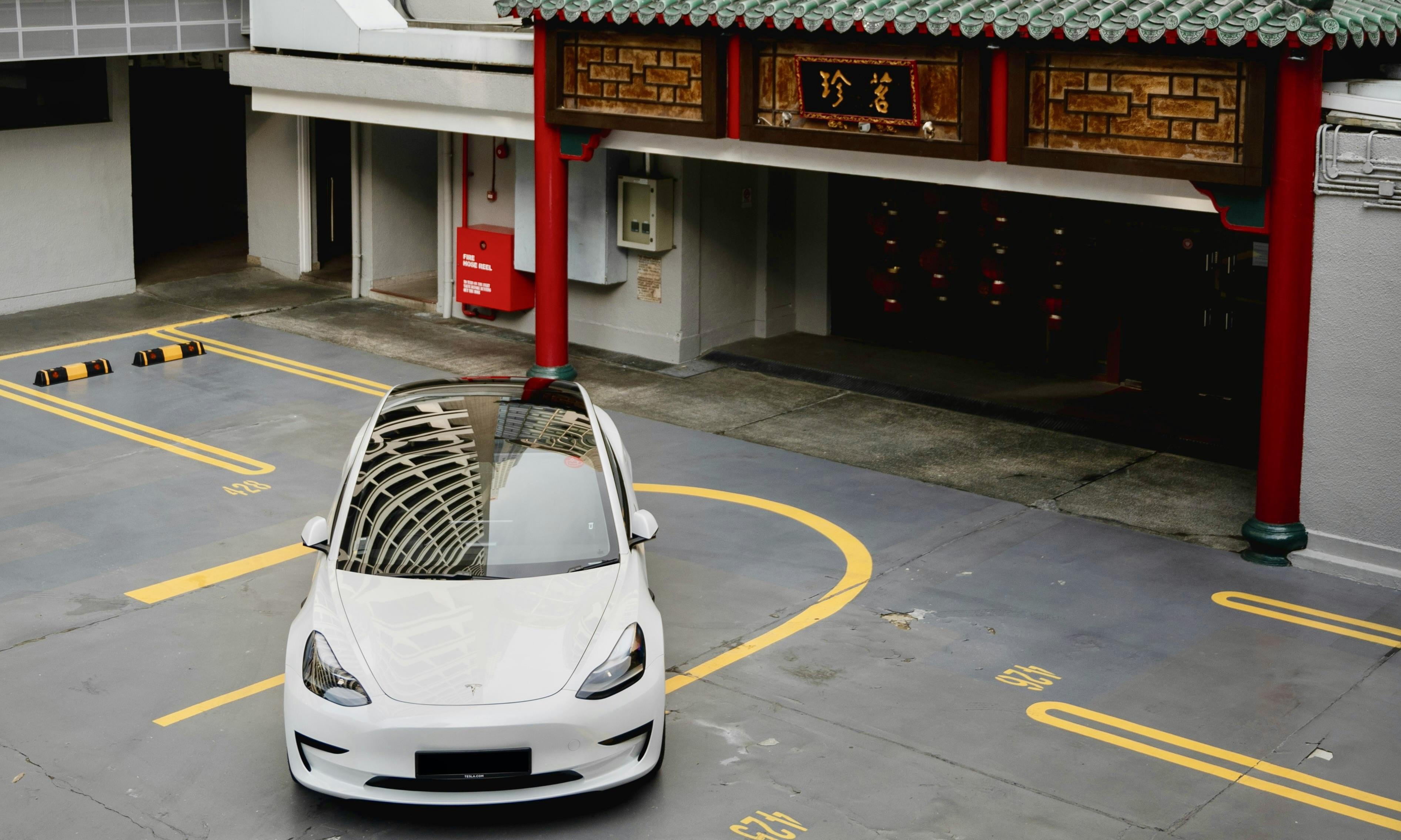
Tesla and Baidu have joined forces to tackle China's rigorous FSD regulations, ensuring all Tesla operational data is stored in Shanghai, thereby adhering to strict data compliance measures.
According to Reuters, a source with knowledge of the situation reports that Tesla CEO Elon Musk arrived in the Chinese capital on Sunday. He anticipated discussing the international transfer of driving data and the Full Self-Driving (FSD) software rollout.
During his tour, the US automaker received vital support from a leading Chinese auto organization, which stated that Tesla's Model 3 and Y vehicles were among those that met China's data security regulations.
Achieving Data Compliance Through Baidu Partnership
Tesla and Baidu have reached an agreement, according to two separate sources who spoke to Reuters, for the Chinese tech giant to use its mapping license to collect data on public roads in China. These sources characterized the agreement as a crucial step toward introducing FSD in the country.
The American manufacturer of electric vehicles, which introduced its most advanced Autopilot software four years ago, has not yet completely implemented FSD in China, its second-largest market worldwide, despite consumer demand. The company cites data security and compliance as among its motives.
Since 2021, Chinese authorities have mandated that Tesla store all data gathered by its Chinese fleet in Shanghai; the business cannot export any of this data back to the United States.
The Wall Street Journal(via Teslarati) says that Chinese officials have tentatively approved Tesla's FSD plans. The Tesla FSD has passed a few important regulatory hurdles that have stopped it from going on sale in China. One problem is that Tesla's tracking and navigation tools don't work in China.
Tesla's Strategic Moves for Regulatory Compliance
Elon Musk stated that Tesla intends to launch FSD (Supervised) in other nations during the TSLA Q1 2024 earnings call. He said it wouldn't be too hard to release Tesla FSD (Supervised) in additional countries. Although Tesla must complete training unique to the country, FSD (Supervised) is considered competent enough to drive on any road.
"So, the thing about the end-to-end neural net-based autonomy is that just like a human, it actually works pretty well without modification in almost any market. So, we plan on, with the approval of the regulators, releasing it as a supervised autonomy system in any market that, where we can get regulatory approval for that, which we think includes China. So, yes, it's — just like a human, you can go rent a car in a foreign country and you can drive pretty well."
"Obviously, if you live in that country, you'll drive better. And so, we'll make the car drive better in these other countries with country-specific training. But it can drive quite well almost everywhere," Musk added.
Photo: Sandra Tan/Unsplash













