


 New York Legalizes Medical Aid in Dying for Terminally Ill Patients
  U.S.-India Trade Framework Signals Major Shift in Tariffs, Energy, and Supply Chains
  Trump Backs Nexstar–Tegna Merger Amid Shifting U.S. Media Landscape
  U.S. to Begin Paying UN Dues as Financial Crisis Spurs Push for Reforms
  Trump Allegedly Sought Airport, Penn Station Renaming in Exchange for Hudson River Tunnel Funding
  Trump Signs Executive Order Threatening 25% Tariffs on Countries Trading With Iran
  China Warns US Arms Sales to Taiwan Could Disrupt Trump’s Planned Visit
  Trump Says “Very Good Talks” Underway on Russia-Ukraine War as Peace Efforts Continue
  Trump Allows Commercial Fishing in Protected New England Waters
  TrumpRx Website Launches to Offer Discounted Prescription Drugs for Cash-Paying Americans
  Nighttime Shelling Causes Serious Damage in Russia’s Belgorod Region Near Ukraine Border
  US Pushes Ukraine-Russia Peace Talks Before Summer Amid Escalating Attacks
  Trump Signs “America First Arms Transfer Strategy” to Prioritize U.S. Weapons Sales
  U.S. Announces Additional $6 Million in Humanitarian Aid to Cuba Amid Oil Sanctions and Fuel Shortages
  Japan Election 2026: Sanae Takaichi Poised for Landslide Win Despite Record Snowfall
  Trump Lifts 25% Tariff on Indian Goods in Strategic U.S.–India Trade and Energy Deal
  Jack Lang Resigns as Head of Arab World Institute Amid Epstein Controversy


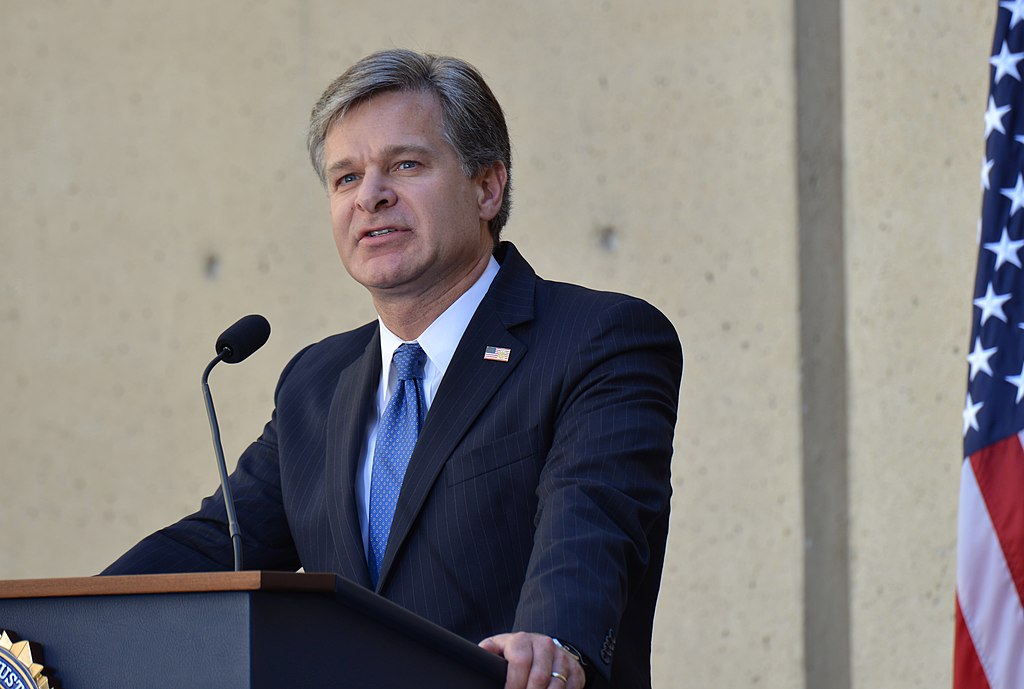
FBI Director Christopher Wray is reportedly preparing to step down from his position, with sources indicating his departure could come before Donald Trump’s upcoming inauguration. According to insiders familiar with the matter, Wray’s resignation may stem from mounting political pressures and potential policy disagreements between his administration and the incoming Trump team.
Wray’s Departure Signals a Shift for the FBI
Wray, appointed by former President Donald Trump in 2017, has faced a complex landscape during his tenure, particularly in recent years as the FBI tackled several high-profile investigations. His expected departure could mark the beginning of a significant shift in the Bureau’s leadership, with potential implications for the agency's handling of politically sensitive cases. Though Wray has yet to make a public statement, sources close to the director suggest his decision may reflect an interest in stepping aside amid anticipated policy changes.
Under Wray’s leadership, the FBI has navigated issues involving cybersecurity threats, domestic extremism, and foreign interference in U.S. elections. As the agency braces for new leadership, there are questions about how these priorities might evolve under the Trump administration. Analysts anticipate that Trump could push for a more assertive approach to national security, with a focus on aligning the FBI’s objectives with his administration’s policies.
Potential Implications for FBI’s Leadership
If Wray indeed steps down, Trump’s administration will face the task of nominating a successor who aligns with its vision for the FBI. Speculation has already begun over who might assume the role, with some suggesting that Trump could opt for a candidate with a strong focus on intelligence and counter-terrorism. The choice of a new director may also influence the Bureau’s future interactions with other intelligence agencies, especially as it adapts to the priorities of the new administration.
As Wray’s possible resignation looms, observers remain watchful of the FBI’s direction under impending changes, with Trump’s team poised to reshape the agency’s approach to key security challenges.













