


 Pentagon Ends Military Education Programs With Harvard University
  Trump Allows Commercial Fishing in Protected New England Waters
  Norway Opens Corruption Probe Into Former PM and Nobel Committee Chair Thorbjoern Jagland Over Epstein Links
  U.S. to Begin Paying UN Dues as Financial Crisis Spurs Push for Reforms
  U.S. Announces Additional $6 Million in Humanitarian Aid to Cuba Amid Oil Sanctions and Fuel Shortages
  U.S. Lawmakers to Review Unredacted Jeffrey Epstein DOJ Files Starting Monday
  Trump’s Inflation Claims Clash With Voters’ Cost-of-Living Reality
  Missouri Judge Dismisses Lawsuit Challenging Starbucks’ Diversity and Inclusion Policies
  Netanyahu to Meet Trump in Washington as Iran Nuclear Talks Intensify
  Ohio Man Indicted for Alleged Threat Against Vice President JD Vance, Faces Additional Federal Charges
  Trump Backs Nexstar–Tegna Merger Amid Shifting U.S. Media Landscape
  TrumpRx.gov Highlights GLP-1 Drug Discounts but Offers Limited Savings for Most Americans
  Federal Judge Restores Funding for Gateway Rail Tunnel Project
  Jack Lang Resigns as Head of Arab World Institute Amid Epstein Controversy
  India–U.S. Interim Trade Pact Cuts Auto Tariffs but Leaves Tesla Out
  U.S.-India Trade Framework Signals Major Shift in Tariffs, Energy, and Supply Chains
  Trump Lifts 25% Tariff on Indian Goods in Strategic U.S.–India Trade and Energy Deal


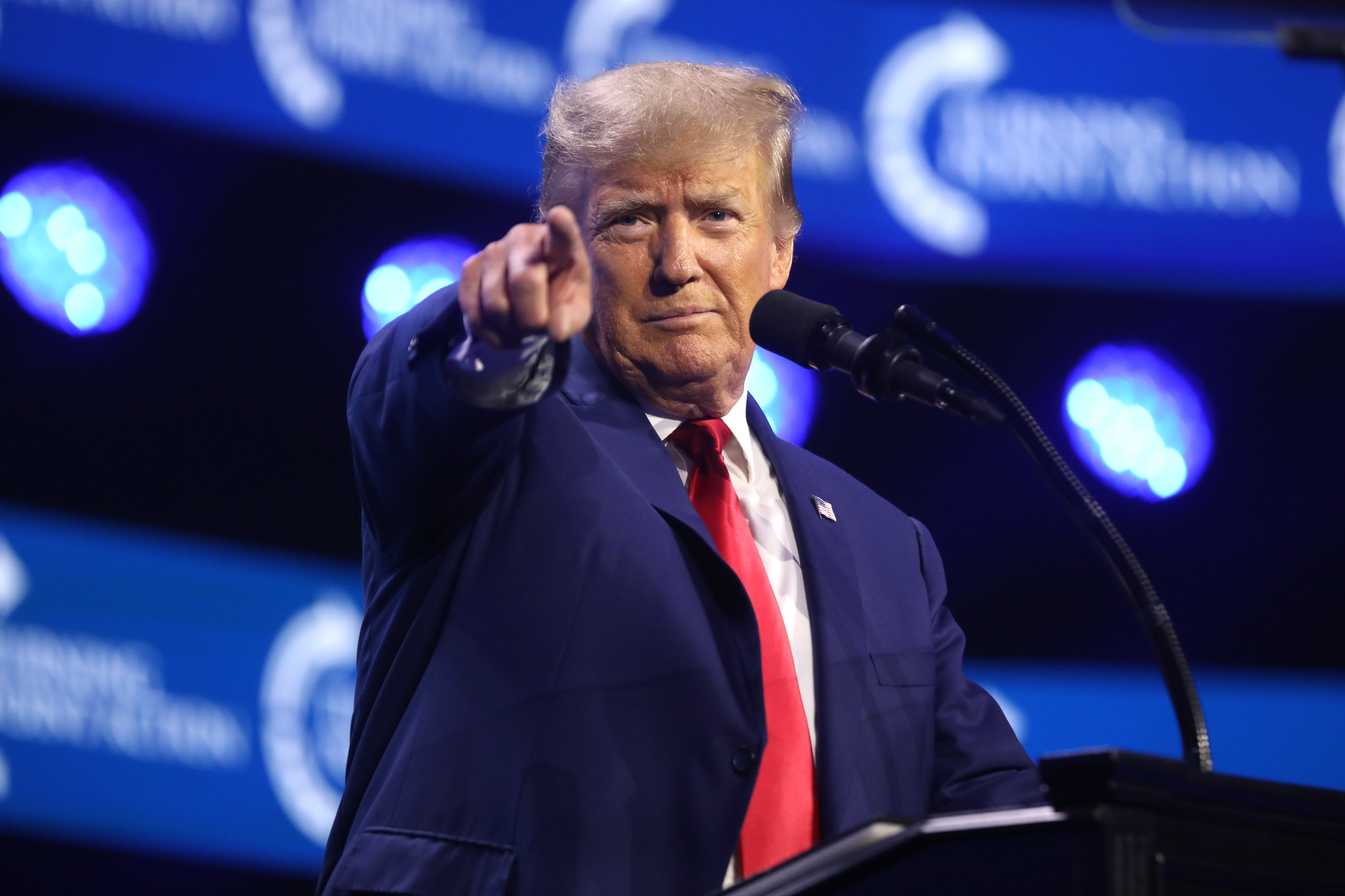
The Federal Bureau of Investigation remains uncertain about the specifics of the attempted assassination of former President Donald Trump, according to FBI Director Christopher Wray. During a marathon testimony on Wednesday, Wray disclosed that investigators are still unsure whether Trump was grazed by a bullet or a piece of shrapnel during the incident at a rally in Butler, Pennsylvania.
Throughout the lengthy session, Wray reiterated that the FBI is working diligently to determine what exactly struck Trump's right ear during the attack. He informed Rep. Kevin Kiley (R-Calif.) that the injury might have been caused by either a bullet or shrapnel, The Daily Mail.
The ambiguity surrounding the incident was further highlighted when Committee Chair Rep. Jim Jordan (R-Ohio) questioned Wray about the trajectory and final locations of the eight bullets fired by the assailant, Thomas Matthew Crooks. Wray admitted that the exact nature of what hit Trump's ear remains under investigation, leaving open the possibility that the bullet or shrapnel could have ended up elsewhere after causing the grazing wound.
The lack of clarity on whether Trump was struck by a bullet or shrapnel has not been resolved since the attack. Trump had described the event at the Republican National Convention shortly after the assassination attempt, recalling a loud whizzing sound and a forceful impact on his right ear.
In the days following the shooting, Rep. Ronny Jackson (R-Texas), Trump's former White House physician, examined the wound and suggested that the bullet was far enough from Trump's head to avoid a concussive effect, merely grazing the top of his ear.
Wray's testimony also shed light on new insights into the investigation. It was revealed that Crooks had researched details about the distance between the shooter and President John F. Kennedy during his assassination in 1963, suggesting a methodical approach to his attack on Trump.
Despite the ongoing investigation, Trump took to Truth Social to criticize Wray during the hearing, not for the handling of the assassination attempt, but for Wray's comments about his interactions with President Biden being "uneventful and unremarkable." Trump called for Wray's resignation, showcasing his continued discontent with the FBI director.
As the investigation continues, the FBI remains committed to uncovering the full details of the attempted assassination, ensuring that all aspects of the incident are thoroughly examined. The uncertainty over what struck Trump highlights the complexities and challenges faced by investigators in high-profile cases such as this.













