


 Hanmi Pharm Soars 30% on $2.3 Billion Genentech Obesity Drug Deal
  Hims & Hers Shares Fall as GLP-1 Costs Widen Q2 Loss
  Sanofi, Regeneron Expand Drug Partnership in $8 Billion Deal
  US Grants Aurora Five-Year Exemption for Self-Driving Trucks
  New York Declares Measles Disaster Emergency as Cases Surge
  Israel Tightens Pilot Security After Flydubai Incident
  US Conducts Non-Nuclear Explosion Test to Boost Nuclear Detection
  Novartis Shares Plunge After Muscle Drug Fails Phase III Trial
  Illinois Delays Crypto Tax Law Until July 2027
  UK Sanctions Crypto Exchanges Linked to Russia
  AstraZeneca Halts Phase III Volrustomig Lung Cancer Trial After Efficacy Setback
  Trump Signs Order to Cut Routine Childhood Vaccines
  Circle Urges EU to Revise MiCA Stablecoin Rules
  Fairshake Backs 32 Pro-Crypto House Candidates
  Novo Nordisk Eyes Turnaround as Oral Wegovy Challenges Eli Lilly in Weight-Loss Drug Race
  Venezuela Earthquake Health Risks Rise as Disease Monitoring Intensifies


 Add as a preferred source on Google
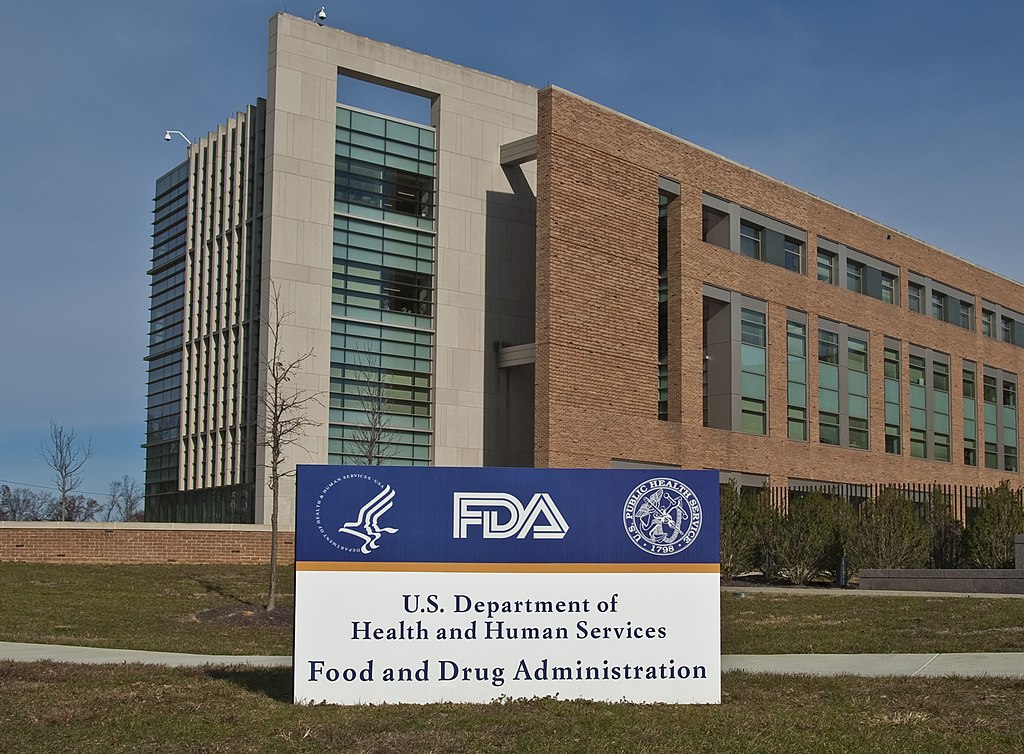
The U.S. Food and Drug Administration has delayed reviews of several drugs selected for the Trump administration’s new fast-track approval initiative after internal reviewers raised concerns about safety, efficacy, and adverse events, according to internal documents reviewed by Reuters. The program, designed to accelerate decisions on select medicines deemed vital to public health or national security, aims to shorten review times to one or two months. However, recent delays highlight that regulatory scrutiny remains rigorous.
Among the affected drugs is Disc Medicine’s experimental treatment bitopertin, developed for a rare blood disorder that causes extreme sensitivity to sunlight. FDA reviewers postponed the decision by two weeks after questioning the robustness of clinical trial data, particularly whether “pain-free time in the sun” was a statistically reliable measure of efficacy. Regulators also examined whether the drug could pose a risk for abuse or addiction, which could potentially lead to restrictions. Disc Medicine stated it remains confident in the drug’s safety profile and clinical benefits.
The FDA also delayed its review of Sanofi’s Tzield, a drug intended for late-stage type 1 diabetes, by more than a month. The delay followed reports of serious adverse events, including seizures, blood clotting issues, and the death of a patient. While Sanofi said no causal relationship has been established between Tzield and the reported death, the FDA requested additional safety data before proceeding. The agency has not publicly disclosed details of the fatality.
Two other drugs in the fast-track program have also seen extended timelines. Boehringer Ingelheim’s lung cancer drug zongertinib is now expected to receive a decision in mid-February, while Eli Lilly’s weight-loss pill is projected for review completion in April. Only one drug, a generic antibiotic, has been approved under the program so far.
Regulatory experts say the delays are reassuring, noting that the accelerated process raised concerns about potential politicization and reduced rigor. The FDA emphasized that review timelines can be adjusted to ensure thorough evaluation, underscoring that patient safety and drug effectiveness remain top priorities despite the push for faster approvals.







