


 Pentagon Ends Military Education Programs With Harvard University
  Nighttime Shelling Causes Serious Damage in Russia’s Belgorod Region Near Ukraine Border
  Trump Backs Nexstar–Tegna Merger Amid Shifting U.S. Media Landscape
  Jack Lang Resigns as Head of Arab World Institute Amid Epstein Controversy
  Trump Signs “America First Arms Transfer Strategy” to Prioritize U.S. Weapons Sales
  Trump Allegedly Sought Airport, Penn Station Renaming in Exchange for Hudson River Tunnel Funding
  Iran–U.S. Nuclear Talks in Oman Face Major Hurdles Amid Rising Regional Tensions
  TrumpRx.gov Highlights GLP-1 Drug Discounts but Offers Limited Savings for Most Americans
  U.S.-India Trade Framework Signals Major Shift in Tariffs, Energy, and Supply Chains
  Norway Opens Corruption Probe Into Former PM and Nobel Committee Chair Thorbjoern Jagland Over Epstein Links
  US Pushes Ukraine-Russia Peace Talks Before Summer Amid Escalating Attacks
  India–U.S. Interim Trade Pact Cuts Auto Tariffs but Leaves Tesla Out
  Trump’s Inflation Claims Clash With Voters’ Cost-of-Living Reality
  New York Legalizes Medical Aid in Dying for Terminally Ill Patients
  Trump Allows Commercial Fishing in Protected New England Waters
  China Warns US Arms Sales to Taiwan Could Disrupt Trump’s Planned Visit
  Ohio Man Indicted for Alleged Threat Against Vice President JD Vance, Faces Additional Federal Charges


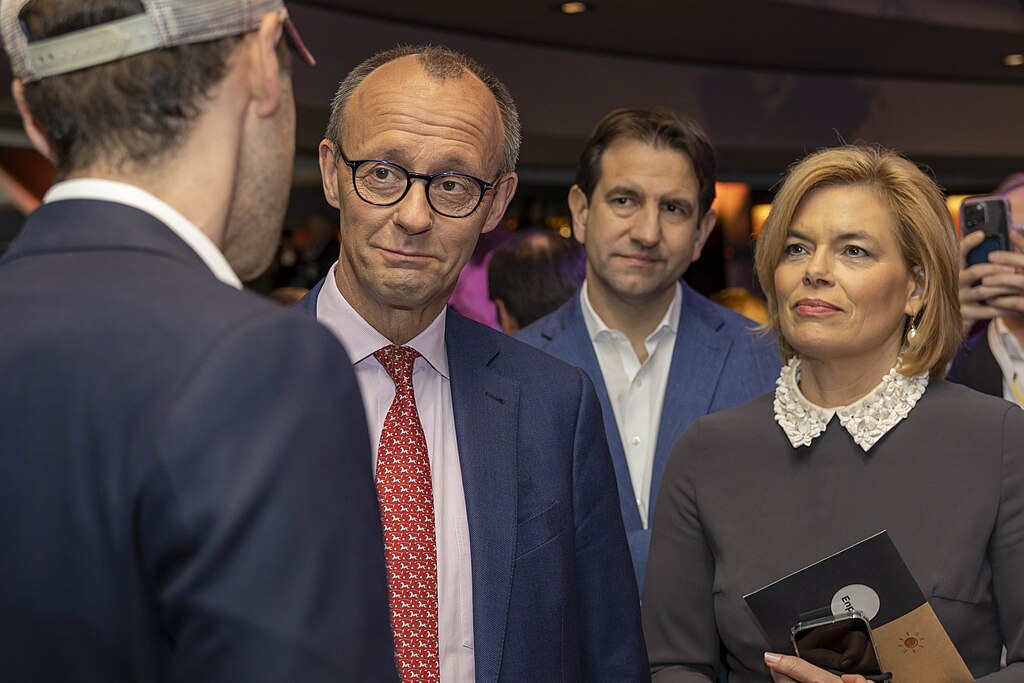
Germany's probable next chancellor, Friedrich Merz, has raised concerns over NATO’s stability following U.S. President Donald Trump’s recent remarks urging Europe to take greater responsibility for its own defense. Speaking to ARD after his conservative party's election victory, Merz questioned whether NATO would remain "in its current form" by June, emphasizing Europe's urgent need to establish an independent defense capability.
The Trump administration's stance has alarmed European allies, with U.S. Secretary of Defense Pete Hegseth stating that "stark strategic realities" mean the U.S. may no longer prioritize Europe's security. Additionally, Washington announced talks with Russia to end the Ukraine war—without European involvement.
Merz’s comments have sparked reactions across Europe, with Dutch Foreign Minister Caspar Veldkamp declaring, "The era that started at the fall of the Berlin Wall is now over." He stressed that Europe must adopt a realistic approach to its relations with the U.S.
On Friday, Merz told ZDF that Germany must prepare for Trump possibly weakening NATO’s mutual defense commitment. He suggested that Berlin explore alternative security arrangements, including discussions with France and Britain about expanding their nuclear deterrence.
Merz, known for his transatlantic stance, has also taken a tougher position on Russia than outgoing Chancellor Olaf Scholz. He has indicated that under his leadership, Germany might send Taurus missiles to Ukraine—an option Scholz previously rejected.
As NATO faces uncertainty, Merz’s statements highlight growing concerns over Europe’s defense autonomy. With shifting U.S. priorities, European leaders are being urged to reconsider their long-standing reliance on Washington.













