


 Peter Magyar Ends Viktor Orbán's 16-Year Rule in Historic Hungary Election
  Peru Presidential Election 2025: Lopez Aliaga Leads Early Results
  Spain's Sanchez Urges China to Take Greater Global Leadership Role During Beijing Visit
  South Korea and Poland Forge Comprehensive Strategic Partnership Centered on Defence
  Trump Warns China Over Iran Arms as Diplomatic Talks Intensify
  U.S. Blockades Strait of Hormuz After Iran Nuclear Talks Collapse
  Viktor Orban Loses Power After 16 Years as Hungary's Tisza Party Claims Landslide Election Victory
  Iran War Fallout: How Sri Lanka, Pakistan, and Egypt Are Struggling With Rising Energy Costs
  Manhattan DA Investigates Sexual Assault Allegations Against Rep. Eric Swalwell
  Czech and Slovak Leaders Rally Behind Hungary's Orban Ahead of Critical Election
  Chinese Brands Are Taking Over Brazil — And It's Just Getting Started
  Taiwan Insists Government Must Lead Cross-Strait Engagement Amid China's New Incentives
  Peru Presidential Election 2026: Keiko Fujimori Takes Early Lead in First-Round Vote
  Trump Dismisses Iran Talks, Orders Strait of Hormuz Blockade
  U.S.-Iran Nuclear Talks Resume in Islamabad Amid Strait of Hormuz Standoff
  Britain Pauses Chagos Islands Deal Amid U.S. Opposition and Diplomatic Tensions


Hungarian Prime Minister Viktor Orban, a close ally of U.S. President Donald Trump, was voted out of power after 16 years in office as Hungarians turned out in record numbers to elect center-right challenger Peter Magyar. The historic vote signals a major pro-European Union shift for the Central European nation.
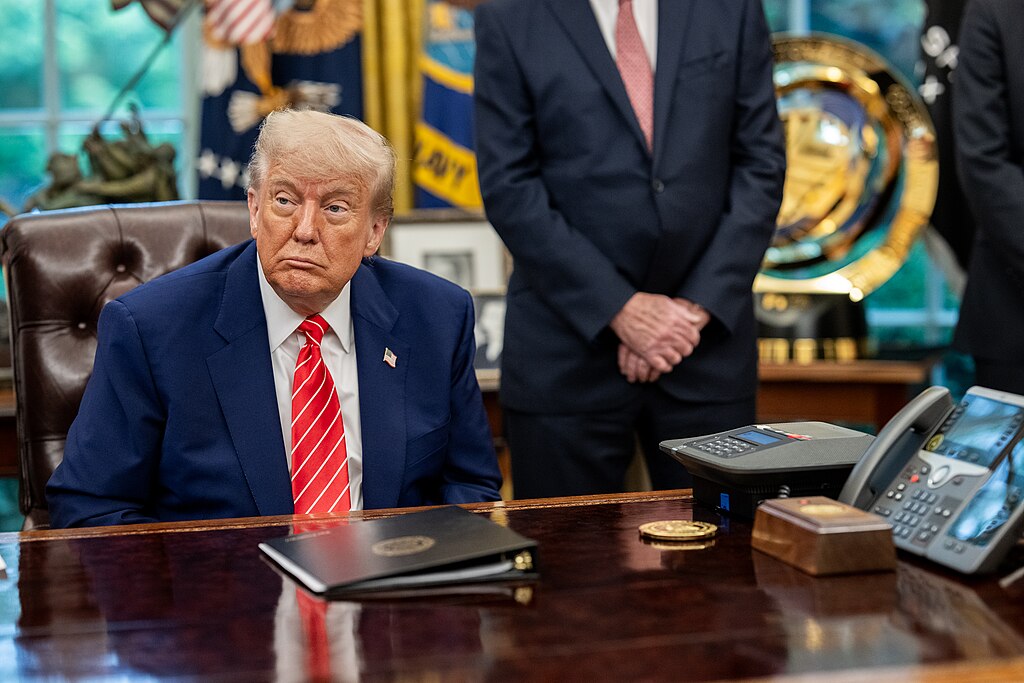
Trump had publicly backed Orban ahead of the election, even making a brief appearance at a campaign rally in Hungary the previous week, during which U.S. Vice President JD Vance called Trump while on stage. Despite this high-profile support, Magyar's campaign resonated with voters seeking a new democratic direction.
American politicians from both parties acknowledged Magyar's win, though their responses varied sharply along party lines. Democratic leaders wasted no time drawing parallels to U.S. politics. Senate Minority Leader Chuck Schumer warned Trump directly, stating that leaders who behave like dictators eventually lose public support. House Minority Leader Hakeem Jeffries echoed that sentiment, framing Orban's defeat as a preview of what awaits far-right lawmakers in the upcoming November midterm elections.
Republican responses were more measured. Senator Roger Wicker of Mississippi, who chairs the Senate Armed Services Committee, interpreted the result as a rejection of Russian President Vladimir Putin's influence, noting that Orban had long maintained close ties with the Kremlin.
Trump himself remained publicly silent on the Hungarian election results throughout Sunday, despite being active on social media and speaking with journalists. However, some of his prominent allies mourned the outcome. Tech billionaire Elon Musk attributed Orban's loss to the influence of liberal financier George Soros, a claim widely circulated in conservative circles.
Orban's decade-and-a-half rule was defined by anti-immigration stances, attacks on press freedom, hostility toward global institutions, and friction with the European Union — policies that mirrored many of Trump's own political priorities.







