


 Lula Plans New Supreme Court Nomination After Historic Senate Rejection
  US Adds European Union to Section 301 Watchlist Amid Trade Concerns
  Rising Tensions in US-Europe Relations Amid Trump Policies and Iran War
  Comey Faces Charges Over Instagram Post as Free Speech Debate Intensifies
  U.S. Military Presence in Germany Strengthens NATO Readiness and Training
  US Gaza Coordination Overhaul Raises Concerns Over Ceasefire and Aid Efforts
  Trump Expands Cuba Sanctions Targeting Key Sectors and Foreign Entities
  Iran Threatens Prolonged Strikes as Strait of Hormuz Crisis Drives Global Oil Surge
  Aung San Suu Kyi Moved to House Arrest Amid Myanmar Political Crisis
  Japan Eases Arms Export Rules, Opening Door for Potential Ukraine Defense Support
  Trump Congratulates Ali al-Zaidi on Iraq Prime Minister Nomination, Signals Strong U.S.-Iraq Ties
  King Charles Wraps U.S. Visit with Trump Meeting and Virginia Tour
  Trump White House Dinner Attack: Secret Service Denies Friendly Fire in Agent Shooting
  Trump Rejects Iran Proposal as Tensions Persist Amid Fragile Ceasefire
  Judge Rules Use of Military Lawyers in Civilian Prosecutions Is Lawful
  U.S. Weapons Delays Raise Concerns Among European Allies Amid Iran Conflict


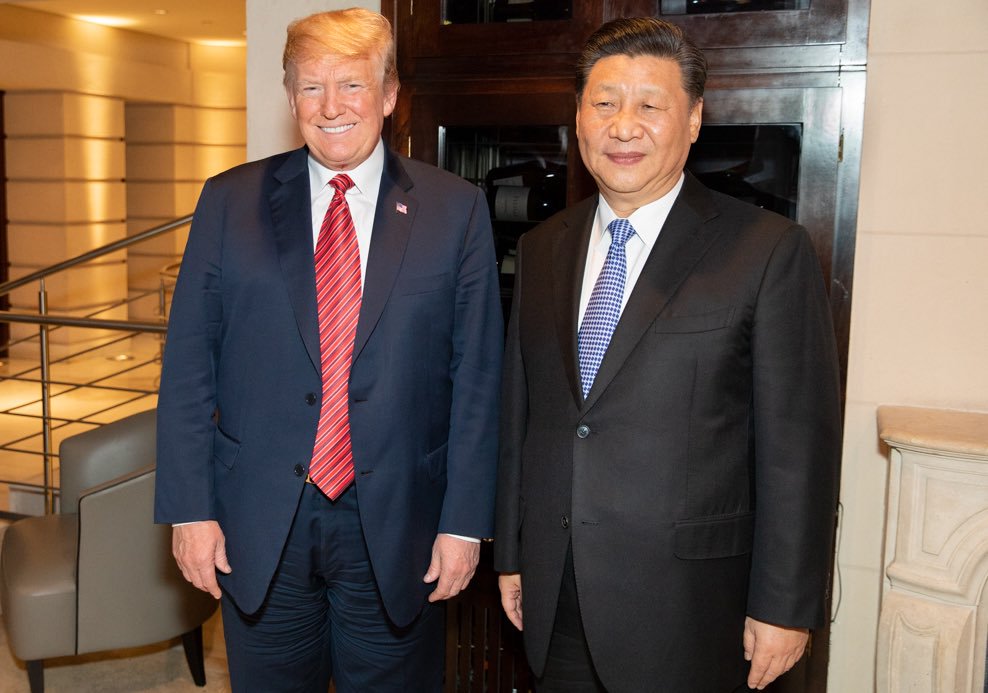
U.S. President Donald Trump issued a stark warning to China on Sunday, cautioning that Beijing would face serious consequences if it were to supply weapons to Iran. The statement, delivered to reporters outside the White House, came amid a complex and evolving diplomatic situation involving Iran, Pakistan, and regional security concerns in the Middle East.
Trump's remarks carried a notably mixed tone. While he downplayed the urgency of securing a deal with Tehran — stating it "makes no difference" to him whether an agreement is reached — he simultaneously acknowledged that "very deep negotiations" are currently underway. The apparent contradiction reflects the high-stakes balancing act the Trump administration is navigating across multiple geopolitical fronts.
The president also drew attention to increased U.S. naval activity near the Strait of Hormuz, one of the world's most critical oil shipping lanes. Trump indicated that minesweepers are actively operating in the area and warned of potential explosive hazards in the water, signaling that military preparedness remains a top priority even as diplomacy advances.
On the broader diplomatic front, three-party talks between the United States, Iran, and Pakistan got underway on Saturday. These discussions follow a fragile two-week ceasefire in a seven-week conflict that has claimed thousands of lives and unsettled global financial markets. The trilateral engagement builds on earlier bilateral meetings between American and Iranian officials, as well as separate discussions involving Pakistani Prime Minister Shehbaz Sharif.
Adding another dimension to regional peacemaking efforts, negotiations between Israel and Lebanon are expected to take place in Washington, D.C. next week, signaling that U.S.-led diplomacy in the Middle East is operating on several parallel tracks simultaneously.
Trump summed up America's position with characteristic confidence, saying, "regardless what happens, we win."







