


 Iran-U.S. Conflict Escalation Threatens Global Oil Supply and Economic Stability
  Iran Threatens Prolonged Strikes as Strait of Hormuz Crisis Drives Global Oil Surge
  FBI Warns of China’s Expanding Hack-for-Hire Network Amid Extradition Case
  Comey Faces Charges Over Instagram Post as Free Speech Debate Intensifies
  Rising Tensions in US-Europe Relations Amid Trump Policies and Iran War
  Cuba Condemns New U.S. Sanctions, Calls Measures “Collective Punishment”
  Trump Rejects Iran Proposal as Tensions Persist Amid Fragile Ceasefire
  Japan Eases Arms Export Rules, Opening Door for Potential Ukraine Defense Support
  U.S. Flags Vietnam as “Priority Foreign Country” Over Intellectual Property Concerns
  US Gaza Coordination Overhaul Raises Concerns Over Ceasefire and Aid Efforts
  Judge Rules Use of Military Lawyers in Civilian Prosecutions Is Lawful
  Panama Defends Port Takeover Amid U.S.-China Tensions and Canal Dispute
  EU Warns of Response as U.S. Considers 25% Tariffs on Car Imports
  U.S. Sanctions Former DR Congo President Joseph Kabila Over Rebel Support
  US Adds European Union to Section 301 Watchlist Amid Trade Concerns
  Trump Congratulates Ali al-Zaidi on Iraq Prime Minister Nomination, Signals Strong U.S.-Iraq Ties
  FEMA Reinstates Employees After Dissent Letter, Signaling Shift in Workforce Stability


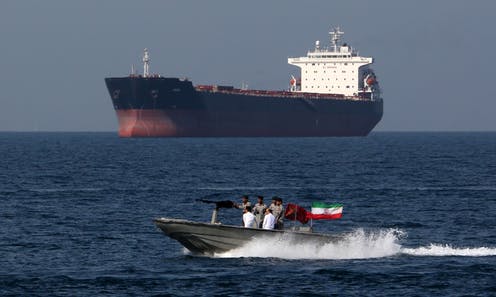
High-stakes diplomatic negotiations between the United States and Iran entered their second day in Islamabad on Sunday, with both sides still far apart on key issues — particularly American demands over the Strait of Hormuz. Iran's Tasnim news agency, which maintains close ties to the country's security establishment, reported that Tehran is pushing back against what it calls unreasonable conditions imposed by Washington.
The American delegation is led by Vice President JD Vance, joined by special envoy Steve Witkoff and senior adviser Jared Kushner. Iran sent Parliamentary Speaker Mohammad-Bagher Ghalibaf and Foreign Minister Abbas Araghchi, who also held a separate meeting with Pakistani Prime Minister Shehbaz Sharif. Pakistani officials confirmed that three-way talks were progressing, though the format — whether joint or shuttle diplomacy — remained unclear.
President Donald Trump struck a deliberately ambiguous tone, describing the discussions as "very deep negotiations" while insisting the outcome made "no difference" to him. He added that the U.S. would "win regardless," and confirmed that Navy minesweepers were actively clearing the Strait, cautioning that a "couple of mines" may still be in the water.
The Strait of Hormuz, a critical chokepoint connecting the Persian Gulf to global oil markets, has been severely disrupted since the U.S. and Israel launched military operations against Iran in late February targeting its missile and nuclear programs. The closure sent global oil and gas prices surging. Two Chinese supertankers became among the first vessels to transit the waterway after a ceasefire was announced earlier in the week.
Conflicting reports emerged over a potential unfreezing of Iranian assets held in Qatar. Iranian officials linked the release to restoring Hormuz shipping access, but a U.S. official flatly denied any such agreement had been reached. Talks were still ongoing as of Sunday afternoon local time.







