


 Samsung Electronics Posts Eightfold Profit Surge Driven by AI Chip Demand
  Annie Altman Amends Sexual Abuse Lawsuit Against OpenAI CEO Sam Altman
  SpaceX Eyes Historic IPO at $1.75 Trillion Valuation
  Federal Judge Blocks Pentagon's Blacklisting of AI Company Anthropic
  Rubio Directs U.S. Diplomats to Use X and Military Psyops to Counter Foreign Propaganda
  Apple Turns 50: From Garage Startup to AI Crossroads
  Apple's Foldable iPhone Faces Engineering Setbacks, Mass Production Timeline at Risk
  Elon Musk Ties SpaceX IPO Access to Mandatory Grok AI Subscriptions
  Meta and Google just lost a landmark social media addiction case. A tech law expert explains the fallout
  U.S. Disrupts Russian Military Hackers' Global DNS Hijacking Network
  OpenAI Executive Shake-Up Ahead of Anticipated 2026 IPO
  LG Electronics Posts Record Q1 Revenue Amid Strong Demand and Cost Improvements
  Tesla Q1 2026 Deliveries Miss Estimates as AI Strategy Takes Center Stage
  Microsoft Eyes $7B Texas Energy Deal to Power AI Data Centers
  Microsoft's $10 Billion Japan Investment: AI Infrastructure and Data Sovereignty Push
  First Western Ship Transits Strait of Hormuz Since Iran War Began
  NASA's Artemis II Crew Arrives in Florida for Historic Moon Mission


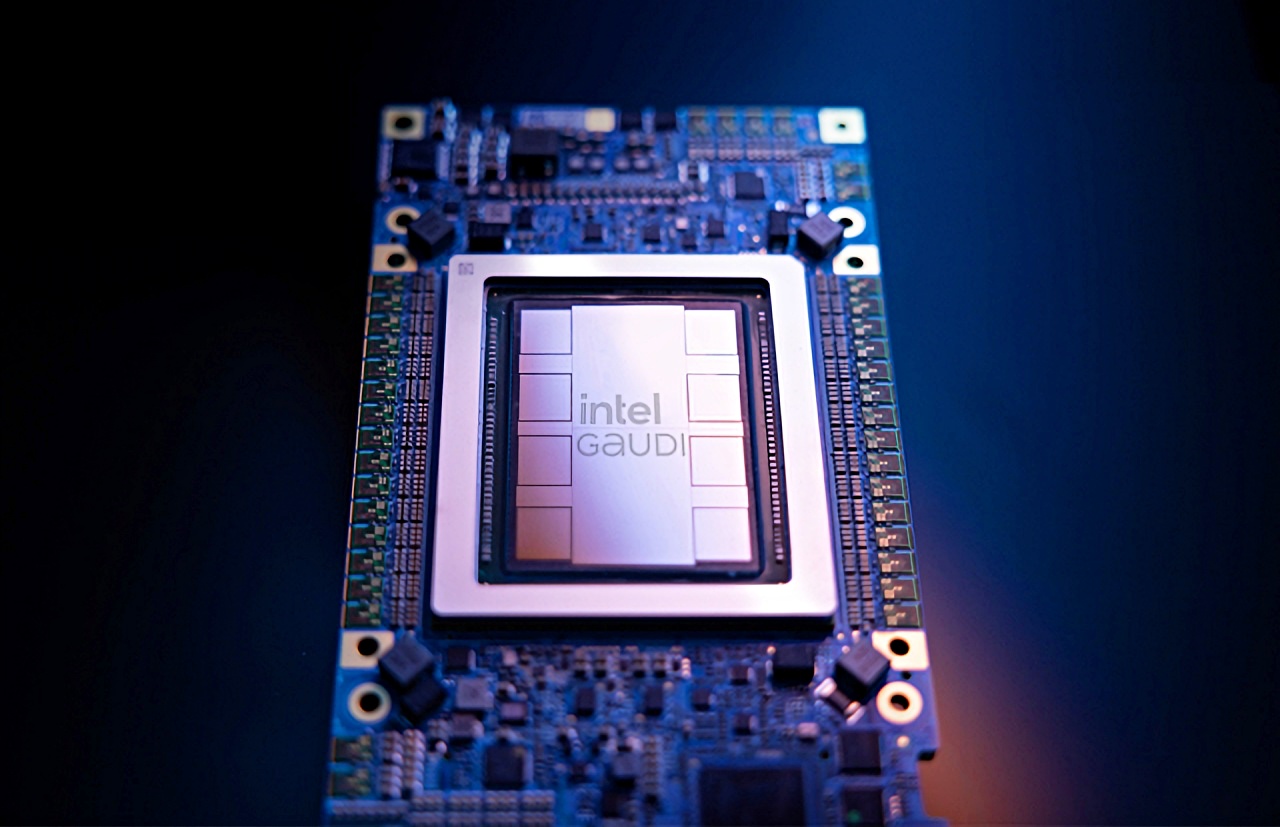
Intel Corporation, an American semiconductor and technology company, launched its newest AI chip, the Gaudi 3. The latest version was introduced to compete with Nvidia, which is currently dominating the global chip market.
Intel Aims to Provide Better Chip Alternative
Furthermore, PYMNTS reported that the Intel Gaudi 3 artificial intelligence chip was released as part of an industry-wide effort to create chips that can run on AI models like the ones installed in OpenAI's ChatGPT. Before the launch, Intel tested the new chip with some AI models, such as Meta's Llama and the Falcon model.
In any case, Intel hinted that its goal for releasing Gaudi 3 was to break Nvidia's dominance in the AI chip sector. It said that tech firms are looking for other options or alternative sources for these types of chips, so Intel created one in response to the customers' needs.
"Our customers, first and foremost, are asking for choice in the industry," Reuters quoted Jeni Barovian, Intel's vice president on strategy and product management, as saying in a statement. "They are coming to us and expecting that Intel, as a computing leader, will follow the wave of (generative AI) and deliver solutions that meet their needs."
Intel's Gaudi 3 vs. Nvidia's Chip
Intel's Gaudi 3 and Nvidia's H100 chips were made for artificial intelligence applications but offer different features. The Nvidia H100 graphics processing unit (GPU) chip was described as the most powerful GPU chip on the market. Still, compared to Gaudi 3, Intel said its chip is expected to provide 50% faster time-to-train on average3 covering all Llama2 models with 7B and 13B parameters and GPT-3 175B parameter model. The chip also promises to deliver four times more AI computing for BF16 and a 1.5x increase in memory bandwidth compared to its predecessor.
"Innovation is advancing at an unprecedented pace, all enabled by silicon and every company is quickly becoming an AI company," Intel's chief executive officer, Pat Gelsinger, said in a press release. "Intel is bringing AI everywhere across the enterprise, from the PC to the data center to the edge."
The CEO added, "Our latest Gaudi, Xeon and Core Ultra platforms are delivering a cohesive set of flexible solutions tailored to meet the changing needs of our customers and partners and capitalize on the immense opportunities ahead."
Photo by: Intel Press Release







