


 Trump to Deliver National Address on Declassified 2020 Election Intelligence
  Russia Launches Missile and Drone Attacks on Kyiv, Zaporizhzhia, and Kharkiv
  EU Ministers Split as Support Grows for Ban on Trade With Israeli West Bank Settlements
  Iraq PM Visits Washington as U.S. Oil, Gas Deals Take Center Stage
  Iranian Missile Strike on UAE Oil Tankers Kills Indian Crew Member in Strait of Hormuz
  Trump Administration Bars U.S. Travelers From Congo Flights Amid Ebola Outbreak
  HHS Watchdog Reports $5.56 Billion in Healthcare Fraud Recoveries as Enforcement Actions Decline
  Western Allies Push for More Air Defenses for Ukraine at Paris Summit
  Trump Administration Launches AI Cybersecurity Partnership to Protect Critical Infrastructure
  Israeli Strikes Kill Six in Gaza as Ceasefire Talks Continue in Cairo
  Trump Recommends Darline Graham for Interim South Carolina Senate Seat
  Trump Says U.S. Strikes on Iran Will Continue Until Nuclear Deal Is Reached
  UN Says Hamas Disrupted Gaza Aid Distribution, Group Denies Allegations
  Israel Sets October 27 Election as Netanyahu Faces Tough Political Test
  Republican Senator Lindsey Graham Dies at 71, Leaving South Carolina Senate Seat Vacant
  EU Weighs New Trade Restrictions on Israeli West Bank Settlements
  Trump Administration Bars U.S. Travelers From Congo Flights Amid Ebola Outbreak


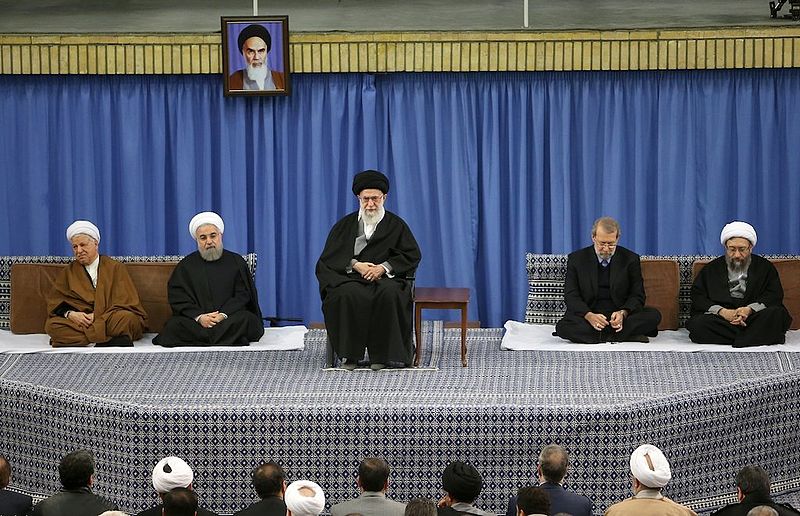
With talks between Iran and major powers about its nuclear program has resumed this week, it remains to be seen whether there would be any breakthrough. The atomic watchdog for the UN has revealed that Iran has begun a new operation in its enrichment of uranium.
The UN nuclear watchdog has revealed that Iran has started a new operation of advanced IR-6 centrifuges at its Fordo facility. The new operation would enrich uranium up to 20 percent purity. This is another violation of the nuclear pact between Iran and major powers, just as talks on possibly restarting the nuclear deal resumed this week in Vienna.
This follows the revelation made in October by Iran’s atomic energy organization Mohammed Eslami to state media that it was able to amass over 120 kilograms of 20 percent enriched uranium.
“We have passed 120 kilograms. We have more than that figure,” said Eslami, who added that the western powers were meant to provide 20 percent enriched uranium to use in the nuclear reactor in Tehran, but none was given.
In its deal with the major powers, Iran is only allowed to enrich uranium up to 3.67 percent purity. At the time of the deal, Iran also agreed to operate no more than 5,060 of its oldest and least effective IR-1 centrifuges and stop operations at its Fordo facility. If Iran adhered to the deal, then the economic sanctions imposed on the Islamic nation would be lifted.
Iran had increasingly breached the terms of the agreement when the US under Donald Trump withdrew from the deal and imposed sanctions on Iran instead. US President Joe Biden has agreed to lift the sanctions if Iran decides to reverse its steps and keep to the conditions of the pact.
Despite concerns that Iran was close to developing capabilities that would allow them to produce nuclear weapons, the Islamic nation has maintained that their nuclear program is used for peaceful purposes. However, the former head of its nuclear program, Fereydoun Abbasi-Davani, hinted that there was an intention to develop nuclear weapons.
Speaking with the Islamic Republic News Agency, Abbasi-Davani explained that while their stance on their nuclear program is in line with the fatwa issued by Supreme Leader Ali Khamenei, banning the development of nuclear weapons, his late colleague Mohsen Fakhrizadeh created a system that would do so.







