


 Trump Administration Hands Over Key Evidence in Minnesota Immigration Shooting Investigations
  HHS Watchdog Reports $5.56 Billion in Healthcare Fraud Recoveries as Enforcement Actions Decline
  UK Sanctions 24 Russian-Linked Targets Over Cyberattacks and Election Interference
  EU to Propose New Rules Limiting Children's Access to Social Media
  Israel-Lebanon Talks Resume in Rome as Ceasefire and Troop Withdrawal Remain Elusive
  Brazil Court Bars Flavio Bolsonaro From Visiting Jair Bolsonaro Ahead of Election
  Russia Launches Missile and Drone Attacks on Kyiv, Zaporizhzhia, and Kharkiv
  Republican Senator Lindsey Graham Dies at 71, Leaving South Carolina Senate Seat Vacant
  US-Iran Strikes Escalate as Strait of Hormuz Crisis Pushes Oil Prices Higher
  UN Says Hamas Disrupted Gaza Aid Distribution, Group Denies Allegations
  EU Weighs New Trade Restrictions on Israeli West Bank Settlements
  Ukraine, Europe Launch Freyja Missile Shield to Strengthen Air Defense Against Russia
  Trump Administration Bars U.S. Travelers From Congo Flights Amid Ebola Outbreak
  Trump Tells Congress Iran Hostilities Restarted, Citing New 60-Day War Powers Window
  Iraq PM Visits Washington as U.S. Oil, Gas Deals Take Center Stage
  Trump to Deliver National Address on Declassified 2020 Election Intelligence


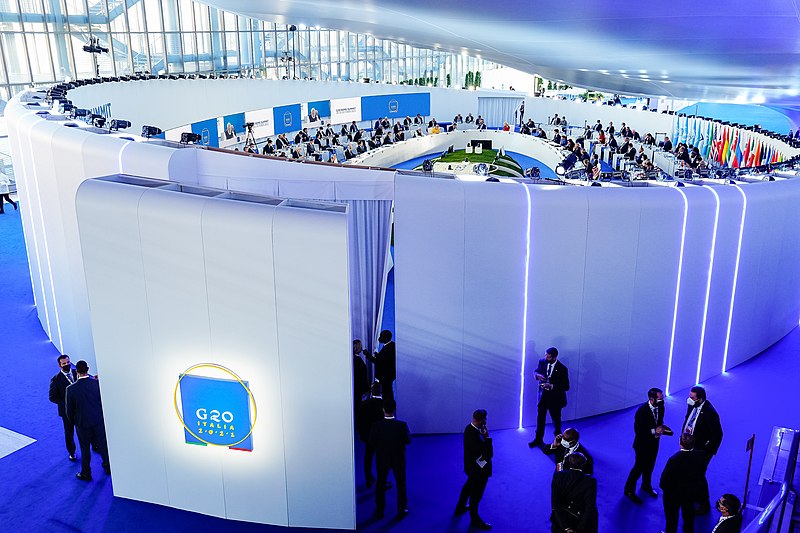
Talks over the nuclear deal with Iran have yet to show some progress as the Islamic nation has moved forward with its nuclear program. During the recent G20 Summit, UK Prime Minister Boris Johnson met with his counterparts in the US, France, and Germany to discuss the deal.
Johnson, US President Joe Biden, French President Emmanuel Macron, and outgoing German chancellor Angela Merkel are meeting on the sidelines of the G20 summit to discuss the nuclear deal with Iran. A senior US official told the press at the G20 conference that the meeting was Merkel’s initiative which would provide leaders with an opportunity to go over the topic ahead of a critical period.
Biden is looking to revive the nuclear deal that was established in 2015, the Joint Comprehensive Plan of Action, to get Iran to comply with the pact. The nuclear watchdog of the United Nations has warned that Iran has increasingly violated the conditions of the deal.
The nuclear deal talks in Vienna have paused since Iran swore in its new president, Ebrahim Raisi, back in June. However, Iran’s deputy foreign minister Ali Bagheri announced on Twitter that Iran has agreed to restart negotiations by the end of November and that the date for when the negotiations would resume would be announced in the coming week.
Biden’s national security adviser Jake Sullivan said that the US was still trying to see if Iran was serious about the upcoming negotiations. Downing Street officials have also said that the nuclear deal was the best option to prevent Iran from getting nuclear weapons. They stressed the importance of Iran complying with the deal.
Tensions between Iran and the US have escalated in recent years under the administration of Biden’s immediate predecessor Donald Trump. Both countries have engaged in a back and forth in the form of strikes, including a US airstrike that killed top Iranian general Qassem Soleimani. According to a book by former US national security adviser Keith Kellogg, “War by Other Means -- A General in the Trump White House,” the airstrike that killed Soleimani was in retaliation for the Iranians crossing a “red line.”
Contrary to the official statement by the White House at the time, Kellogg revealed that the airstrike by the US was in retaliation for the Iraqi militia’s attack on the US embassy compound that killed a civilian contractor was the reason.







