


 Gold Prices Surge as U.S.-Iran Ceasefire Talks Spark Market Optimism
  Parasites are ecological dark matter – and they need protecting
  Tesla Q1 2026 Deliveries Miss Estimates as AI Strategy Takes Center Stage
  Jefferies Upgrades Sodexo to Buy With €55 Target After Historic CEO Appointment
  U.S. Stock Futures Steady Amid Iran Ceasefire Talks and Trump Address
  OpenAI Executive Shake-Up Ahead of Anticipated 2026 IPO
  Gulf War Ceasefire Hopes Weigh on Dollar Ahead of Trump Address
  Apple Turns 50: From Garage Startup to AI Crossroads
  GesiaPlatform Launches Carbon-Neutral Lifestyle App ‘Net Zero Heroes’
  Nike Beats Q3 Estimates but China Weakness and Margin Pressure Weigh on Outlook
  Fonterra Admits Anchor Butter "Grass-Fed" Label Misled Consumers After Greenpeace Lawsuit
  Norma Group Posts Revenue Decline in 2025, Eyes Modest Recovery in 2026
  Morgan Stanley: Fed Rate Cuts Still on Track Despite Oil-Driven Inflation
  U.S. Job Market Braces for Slow Recovery Amid Middle East Tensions and Economic Uncertainty
  LA fires: Long-term exposure to wildfire smoke is poorly understood − and a growing risk
  U.S. Warplane Shot Down by Iran Amid Escalating Middle East Conflict


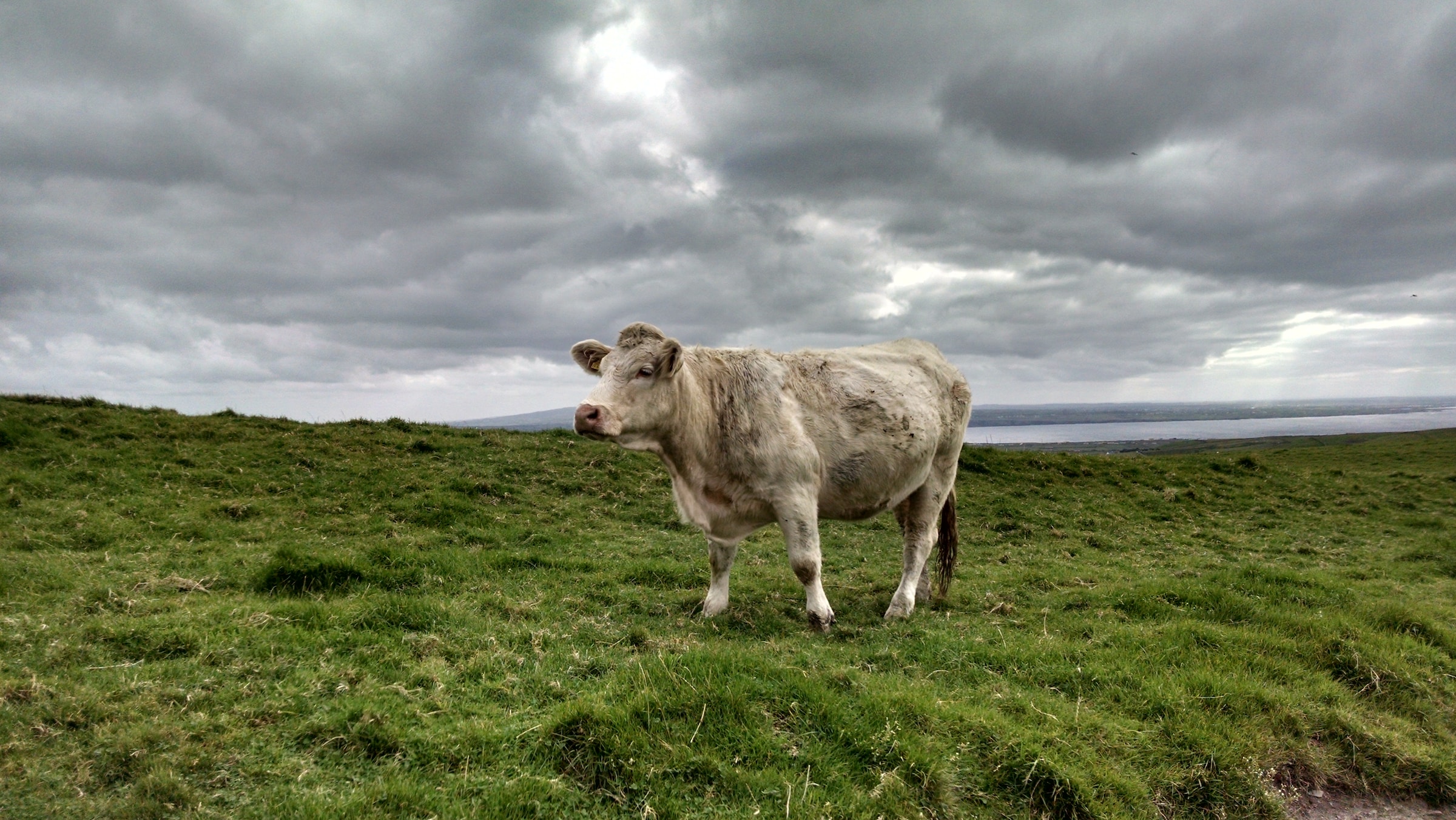
In a bold move to combat climate change, the Irish government will cull 200,000 cows over the next three years at a cost of €600 million, part of a broader initiative to reduce agricultural emissions by 25% by 2030. The decision has sparked debates on its potential implications for the farming sector and global warming.
According to Ireland’s Environmental Protection Agency (EPA), 38% of the country’s greenhouse gas (GHG) emissions in 2021 came from the agriculture sector, mostly from nitrous oxide from the use of nitrogen fertilizer and manure management and methane in livestock.
The Irish government is hoping to reduce agricultural emissions by 25% by 2030. In March, Ireland’s Minister for Agriculture, Food and the Marine, Charlie McConalogue, said that one of the dairy food division group’s recommendations as part of its ‘Climate Action Plan’ for 2023” was to explore a voluntary dairy reduction scheme. The Minister expects to receive a more detailed plan by the end of the year and set up in early 2024.
Irish Farmers’ Association president, Tim Cullinan, said that the plan based on Food Vision Dairy Group’s report in October last year would “further erode” farmer trust in the government. Irish Cullinan also warned that reducing dairy or beef production in the country would result in ‘carbon leakage’ as production will be moved to other countries with a higher carbon footprint. This is expected to enhance global warming.
Irish politician Peadar Tóibín said that the high number of cattle that could be “culled” by 2025 poses an “incredible threat to the farming sector.”
McConalogue, in a statement on Food Vision Dairy Group’s report in October last year, said that the group had discussed the calculation of the current emissions inventory, pathways to reductions in nitrous oxide emissions, and stabilizing and reducing emissions.
According to the provisional Irish June Livestock Survey released by the Agriculture and Horticulture Development Board, Ireland has about 2.5 million dairy and beef cows.
With around 90% of the produce being exported, cattle and dairy make up about two-thirds of the agricultural output of the nation.
Photo: Natalie Warren/Unsplash







