


 God on their side: how the US, Israel and Iran are all using religion to garner support
  Bank of Japan Eyes Further Rate Hikes Amid Middle East Tensions and Inflation Pressures
  ECB Eyes Rate Hike Amid Iran Conflict-Driven Energy Price Surge
  China Holds Benchmark Loan Prime Rate Steady for Tenth Consecutive Month
  U.S. Strikes on Iran Draw War Crimes Warnings from International Law Scholars
  Fed Holds Rates Steady as Middle East Conflict Clouds Inflation Outlook
  Gold Prices Surge as U.S.-Iran Ceasefire Talks Spark Market Optimism
  J.P. Morgan Now Expects Two ECB Rate Hikes Amid Inflation Pressures
  South Korea's Inflation Rises Modestly in March Amid Oil Price Pressures
  What does China’s host bid mean for the High Seas Treaty?
  Time to buy local: war fuel price shocks reveal the folly of a long food supply chain


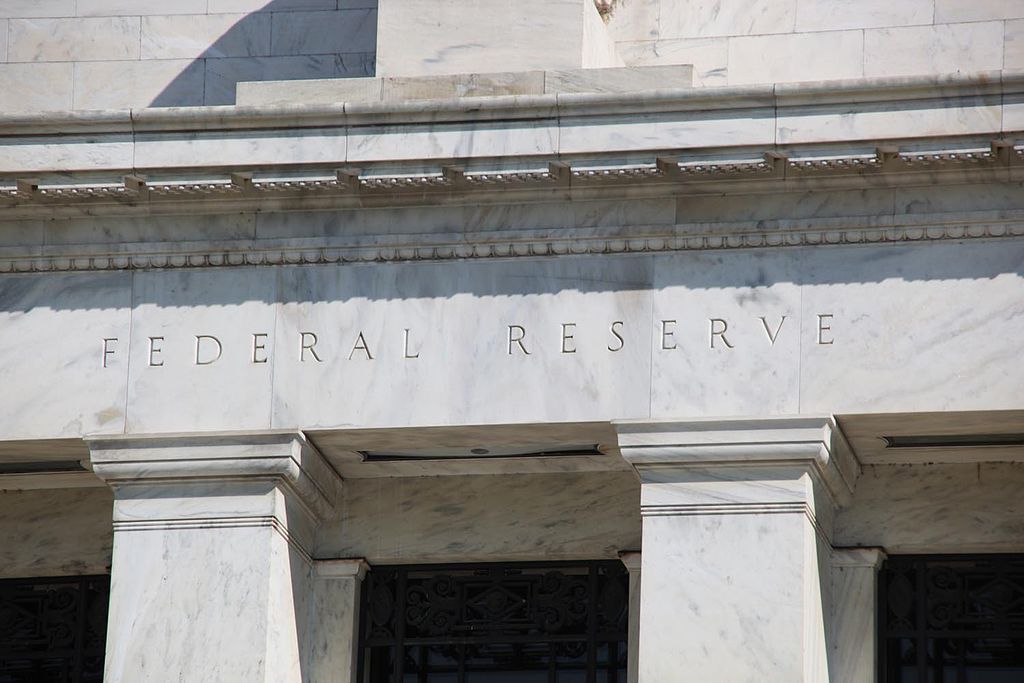
Morgan Stanley believes the Federal Reserve will push forward with interest rate cuts in 2026, even as rising oil prices temporarily inflate headline inflation figures. According to the bank's analysts, the current energy-driven price surge is unlikely to derail the broader disinflation trend that policymakers have been carefully nurturing.
Central to Morgan Stanley's outlook is the distinction between short-term and long-term inflation expectations. While near-term gauges have climbed in response to higher energy costs, long-run expectations — the metric the Fed monitors most closely — remain anchored near pre-pandemic levels. This signals that the central bank's credibility on inflation control is still holding firm, giving policymakers room to maneuver without abandoning their easing plans.
The bank also points out that core inflation, which strips out volatile food and energy components, is showing limited sensitivity to the oil price spike. As a result, the Fed is expected to treat the current energy shock as transitory and effectively "look through" it, so long as underlying inflation continues to trend in the right direction.
Another factor supporting rate cuts is the significant tightening in financial conditions that has already occurred. Morgan Stanley estimates that the combined effects of a stronger U.S. dollar, elevated oil prices, and rising equity risk premiums are equivalent to roughly an 80 basis point rate increase — reducing the urgency for the Fed to act more aggressively through its own policy tools.
Given this environment, Morgan Stanley projects two 25-basis-point rate cuts in the second half of 2026, which would bring the federal funds rate down to a range of 3.0%–3.25%. The forecast assumes continued cooling in underlying inflation alongside moderating economic growth.
The primary risk to this outlook remains a sustained increase in long-term inflation expectations. Should energy prices begin driving broader price-setting behavior across the economy, the Fed may have little choice but to hold rates higher for longer than currently anticipated.







