


 Iran-U.S. Military Tensions Escalate as Tehran Fortifies Key Energy Infrastructure
  U.S.-Iran War Escalates: Downed Fighter Jet, Stalled Ceasefire Talks, and Ground Invasion Fears
  China's Anti-Corruption Purge Reaches New Heights as Politburo Shrinks to 25-Year Low
  U.S. and Israel Escalate Pressure on Iran Over Strait of Hormuz as War Enters Sixth Week
  Judge Blocks DOJ Subpoenas in Federal Reserve Investigation, Delaying Powell Succession
  Congo in Talks With Trump Administration to Accept Third-Country Deportees
  Trump's FY2027 Budget: Major Defense Boost and Domestic Spending Cuts
  U.S. Strikes on Iran Draw War Crimes Warnings from International Law Scholars
  Israel Poised to Strike Iranian Energy Sites, Awaiting U.S. Approval
  Trump Administration Seeks Emergency Order to Resume White House Ballroom Construction
  U.S. F-15E Shot Down Over Iran: One Crew Member Recovered Amid Escalating Conflict
  UN Confirms Sexual Exploitation Allegations Against Haiti Security Force Members
  Giuffre Family Urges King Charles to Meet Epstein Survivors During U.S. State Visit
  Ukraine Frontline Holds Firm as Zelenskyy Claims March Offensive Successfully Repelled
  U.S. Arrests Soleimani's Relatives After Green Cards Revoked
  Trump Eyes Cabinet Shake-Up Amid Iran War Political Fallout


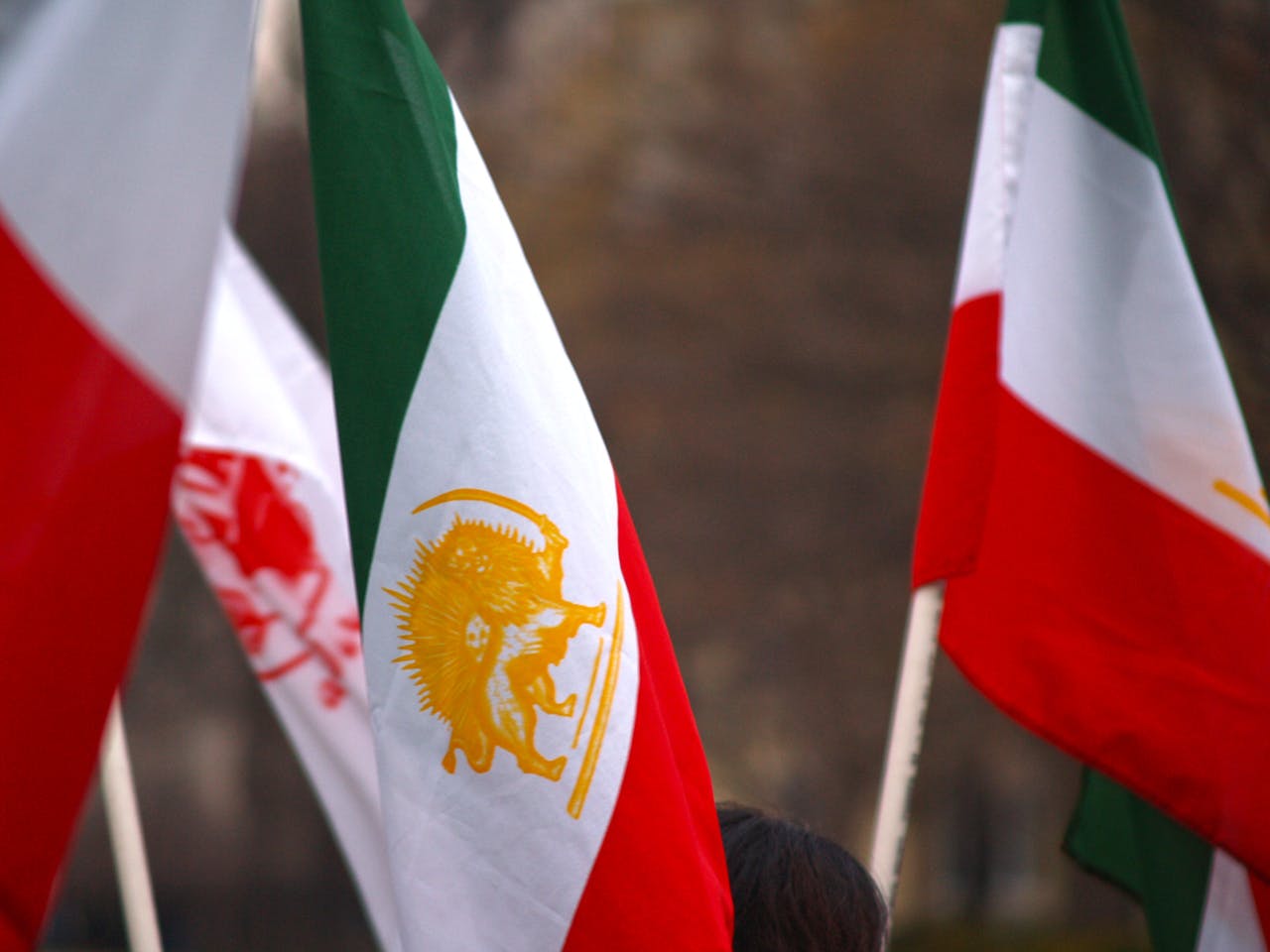
Tensions between Israel and Iran have reached a critical flashpoint, with Israeli defense officials confirming preparations for potential strikes on Iranian energy infrastructure, pending U.S. authorization. The anticipated military action could unfold within days, marking a dramatic escalation in the ongoing five-week conflict.
U.S. President Donald Trump has issued a stern ultimatum to Tehran, giving Iran 48 hours to reopen the Strait of Hormuz or face severe military consequences. Iran, meanwhile, has responded defiantly — deploying newly developed domestic air defense systems and claiming responsibility for shooting down two American warplanes, including an F-15E and an A-10, leaving one U.S. crew member unaccounted for.
Adding to regional instability, a projectile struck near Iran's Bushehr nuclear power plant, killing one staff member and causing facility damage. The International Atomic Energy Agency confirmed no radiation leak occurred but raised urgent concerns over the dangerous proximity of military strikes to nuclear sites.
On the economic front, Iran's stranglehold over the Strait of Hormuz — a chokepoint responsible for roughly 20% of global oil shipments — has driven crude prices to multi-year highs. Analysts describe Tehran's maritime strategy as a "weapon of mass disruption," potentially more effective as leverage than nuclear capabilities. Even partial military control of the strait's coastline may not resolve the crisis, as Iranian forces can continue targeting commercial vessels using low-cost drones launched from deep inland positions.
Intelligence assessments suggest Iran views its control over this vital waterway as its strongest bargaining chip, with long-term plans to institutionalize passage fees and demand lasting security guarantees in any peace agreement.
As diplomatic and military pressure intensifies, global energy markets remain volatile, and the conflict's resolution appears increasingly complex, with significant consequences for international trade, oil prices, and geopolitical stability across the Middle East.







