


 Nighttime Shelling Causes Serious Damage in Russia’s Belgorod Region Near Ukraine Border
  Trump Allows Commercial Fishing in Protected New England Waters
  Norway Opens Corruption Probe Into Former PM and Nobel Committee Chair Thorbjoern Jagland Over Epstein Links
  New York Legalizes Medical Aid in Dying for Terminally Ill Patients
  U.S. to Begin Paying UN Dues as Financial Crisis Spurs Push for Reforms
  Federal Judge Restores Funding for Gateway Rail Tunnel Project
  U.S.-India Trade Framework Signals Major Shift in Tariffs, Energy, and Supply Chains
  US Pushes Ukraine-Russia Peace Talks Before Summer Amid Escalating Attacks
  Iran–U.S. Nuclear Talks in Oman Face Major Hurdles Amid Rising Regional Tensions
  Trump Says “Very Good Talks” Underway on Russia-Ukraine War as Peace Efforts Continue
  Trump’s Inflation Claims Clash With Voters’ Cost-of-Living Reality
  Jack Lang Resigns as Head of Arab World Institute Amid Epstein Controversy
  TrumpRx.gov Highlights GLP-1 Drug Discounts but Offers Limited Savings for Most Americans
  Pentagon Ends Military Education Programs With Harvard University
  South Korea Assures U.S. on Trade Deal Commitments Amid Tariff Concerns
  India–U.S. Interim Trade Pact Cuts Auto Tariffs but Leaves Tesla Out


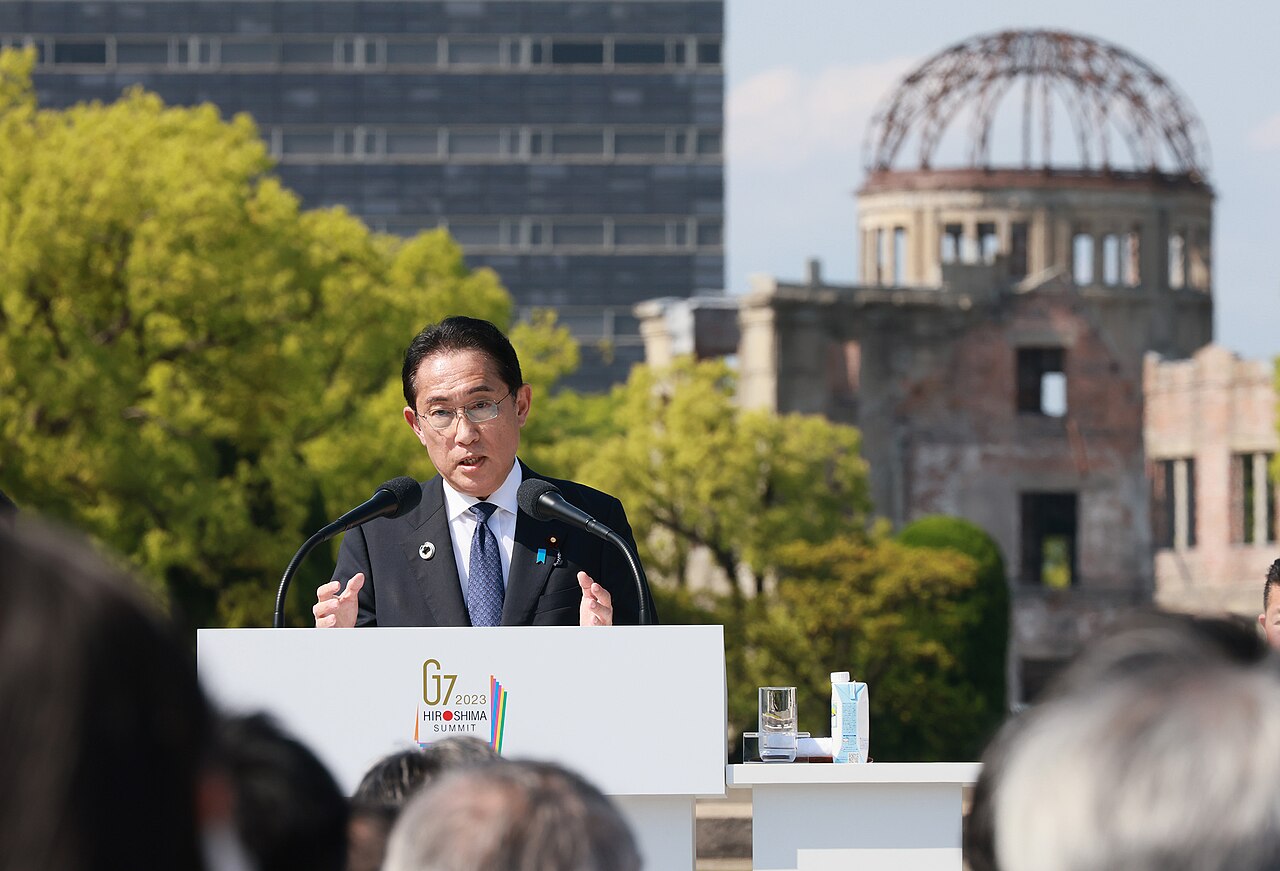
Japanese Prime Minister Fumio Kishida announced this week that he is dismissing his son from the position of executive secretary. The dismissal follows the backlash over the private party Kishida’s son held at his executive residence last year.
On Monday, Kishida told reporters that his son Shotaro Kishida will be stepping down as executive secretary for political affairs for “inappropriate behavior.” Kishida said Takayoshi Yamamoto will be replacing his son on Thursday. Kishida appointed his son to the post back in October.
“His behavior at a public space was inappropriate as someone who is in an official position as a political aide. I’ve decided to replace him for accountability,” said Kishida, who acknowledged that he greeted guests during the party but did not stay. Kishida also said he has reprimanded his son for the event.
The announcement of Shotaro Kishida’s dismissal follows a report by the Shukan Bunshun magazine that showed photos of Shotaro Kishida and his relatives at the prime minister’s official residence attending a year-end party on December 30. The photos showed the guests posing similarly to the group photos taken of newly appointed Cabinet members with Shotaro Kishida in the middle, where the prime minister is usually positioned. Other photos from the party showed guests standing at the podium as if holding a news conference.
The report sparked public outrage and criticism from opposition lawmakers. The senior lawmaker of the opposition Constitutional Democratic Party of Japan, Seiji Osaka, said the dismissal should have been done earlier, according to Kyodo News.
Chief Cabinet Secretary Hirokazu Matsuno called Shotaro Kishida’s party at the official residence “inappropriate” and pledged to ensure proper management of the residence to prevent any future misuse.
Meanwhile, on Tuesday, the Nagoya District Court ruled that a ban on same-sex marriage was unconstitutional, making it the second court to rule similarly against the ban out of four cases in the past two years. The ruling also makes it likely to add pressure to change a law in the country where the constitution says that marriage is between a man and a woman. Japan is the only G7 country that has no legal protections for same-sex marriages.
Photo: Kantei.go.jp/Wikimedia Commons(CC by 2.0)














