


 Missouri Judge Dismisses Lawsuit Challenging Starbucks’ Diversity and Inclusion Policies
  Fed Governor Lisa Cook Warns Inflation Risks Remain as Rates Stay Steady
  Trump Allegedly Sought Airport, Penn Station Renaming in Exchange for Hudson River Tunnel Funding
  U.S. Lawmakers to Review Unredacted Jeffrey Epstein DOJ Files Starting Monday
  Japan Economy Poised for Q4 2025 Growth as Investment and Consumption Hold Firm
  Dollar Steadies Ahead of ECB and BoE Decisions as Markets Turn Risk-Off
  Trump Allows Commercial Fishing in Protected New England Waters
  Trump Endorses Japan’s Sanae Takaichi Ahead of Crucial Election Amid Market and China Tensions
  U.S. Announces Additional $6 Million in Humanitarian Aid to Cuba Amid Oil Sanctions and Fuel Shortages
  Gold Prices Slide Below $5,000 as Strong Dollar and Central Bank Outlook Weigh on Metals
  Global Markets Slide as AI, Crypto, and Precious Metals Face Heightened Volatility
  Trump Lifts 25% Tariff on Indian Goods in Strategic U.S.–India Trade and Energy Deal
  Dow Hits 50,000 as U.S. Stocks Stage Strong Rebound Amid AI Volatility
  Thailand Inflation Remains Negative for 10th Straight Month in January
  Gold and Silver Prices Rebound After Volatile Week Triggered by Fed Nomination
  Bank of Japan Signals Readiness for Near-Term Rate Hike as Inflation Nears Target
  New York Legalizes Medical Aid in Dying for Terminally Ill Patients


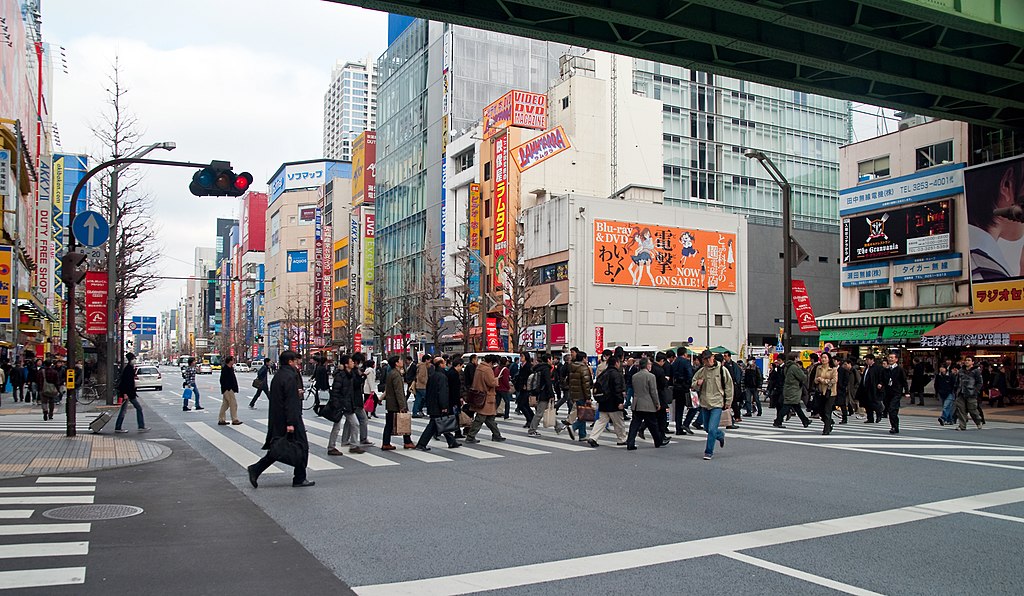
Japan’s expected snap general election is intensifying debate over a possible cut to the consumption tax, as both ruling and opposition parties signal support for easing the burden on households facing rising living costs. The growing likelihood of a tax reduction has become a key election issue, reflecting public concern over inflation, food prices, and economic pressure on families.
Japan currently applies a reduced 8% consumption tax on food items and a standard 10% tax on other goods and services. This tax system plays a crucial role in funding the country’s expanding social welfare expenses, particularly as Japan grapples with a rapidly ageing population. However, political leaders are increasingly acknowledging that consumers need relief.
Shunichi Suzuki, secretary-general of the ruling Liberal Democratic Party (LDP), emphasized that the party intends to honor its agreement with coalition partner Ishin, which includes a plan to scrap the 8% consumption tax on food sales for two years. Speaking on a television program, Suzuki said the LDP remains committed to implementing the measures outlined in the agreement.
Media reports suggest Prime Minister Sanae Takaichi may formally pledge a temporary elimination of the reduced food tax when she calls a general election expected as early as next month. The Mainichi newspaper reported that such a pledge could be central to the LDP’s campaign strategy as it seeks to capitalize on strong approval ratings.
The opposition is also aligning behind the idea of a consumption tax cut. Jun Azumi, secretary-general of the Constitutional Democratic Party of Japan (CDP), confirmed that the party, which plans to form a new political entity with Komeito, will advocate for a temporary reduction in the tax rate as part of its election platform.
Takaichi is expected to announce the dissolution of parliament and the February snap election at a news conference soon. While a cut to the 8% food sales tax could provide immediate relief to households, government estimates show it would reduce annual revenue by around 5 trillion yen, raising concerns over Japan’s already strained public finances and the potential for market volatility as investors assess the implications of expansionary fiscal policy.













