


 Ohio Man Indicted for Alleged Threat Against Vice President JD Vance, Faces Additional Federal Charges
  Trump Says “Very Good Talks” Underway on Russia-Ukraine War as Peace Efforts Continue
  China Warns US Arms Sales to Taiwan Could Disrupt Trump’s Planned Visit
  Nighttime Shelling Causes Serious Damage in Russia’s Belgorod Region Near Ukraine Border
  Missouri Judge Dismisses Lawsuit Challenging Starbucks’ Diversity and Inclusion Policies
  India–U.S. Interim Trade Pact Cuts Auto Tariffs but Leaves Tesla Out
  TrumpRx.gov Highlights GLP-1 Drug Discounts but Offers Limited Savings for Most Americans
  Trump Signs “America First Arms Transfer Strategy” to Prioritize U.S. Weapons Sales
  South Korea Assures U.S. on Trade Deal Commitments Amid Tariff Concerns
  Jack Lang Resigns as Head of Arab World Institute Amid Epstein Controversy
  U.S.-India Trade Framework Signals Major Shift in Tariffs, Energy, and Supply Chains
  U.S. to Begin Paying UN Dues as Financial Crisis Spurs Push for Reforms
  Netanyahu to Meet Trump in Washington as Iran Nuclear Talks Intensify
  Trump Signs Executive Order Threatening 25% Tariffs on Countries Trading With Iran
  Japan Election 2026: Sanae Takaichi Poised for Landslide Win Despite Record Snowfall
  Trump Endorses Japan’s Sanae Takaichi Ahead of Crucial Election Amid Market and China Tensions
  Pentagon Ends Military Education Programs With Harvard University


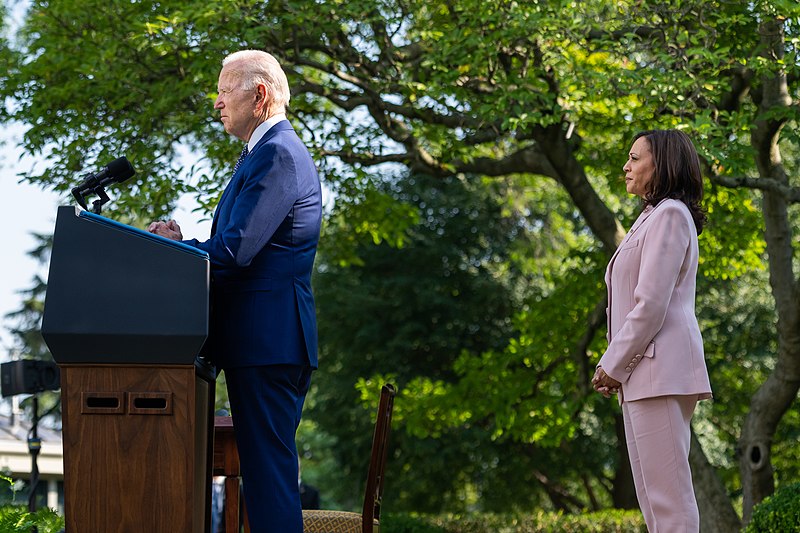
This week, US President Joe Biden is looking to reach a deal amongst lawmakers of his own party over the bill that makes up the bulk of his economic agenda. Biden met with both progressive and centrist Democrats this week to oversee further negotiations.
Biden met with the two factions of the Democratic Party Tuesday at the White House in the hopes of getting to a deal regarding the proposal that would be passed by party lines. Later on in the day, progress was apparently made towards the bill. White House Press Secretary Jen Psaki released a statement Tuesday evening saying that the talks between Biden and Democratic lawmakers were “constructive.”
“The president is more confident this evening about the path forward,” said Psaki in the statement. Psaki added that the talks were “focused around a shared commitment to the care economy, ensuring working families have more breathing room, addressing the climate crisis, and investing in industries of the future.”
This appears to hint at which provisions would remain in the bill and which provisions would be left out of the bill. Provisions that would tackle climate change are among the aspects that would remain in the proposal.
The meetings with both factions Tuesday come as lawmakers look to unite the party in order to pass the bill alongside the bipartisan infrastructure proposal that has already passed the Senate. The result of the discussions would also determine whether the bipartisan infrastructure proposal could also pass the House in time for Biden to sign the bill into law.
Both Senate Majority Leader Chuck Schumer and House Speaker Nancy Pelosi have said that they hope both bills are passed by the end of October.
Biden will continue to shore up public support of both bills as he visits Scranton, Pennsylvania this week to promote the proposals. The US leader has said that he is open to cutting down the timeline where the proposals would be applicable in order to have a smaller proposal rather than cut out programs entirely. The original $3.5 trillion bill would be spaced out in a span of 10 years.













