


 Pentagon Ends Military Education Programs With Harvard University
  TrumpRx Website Launches to Offer Discounted Prescription Drugs for Cash-Paying Americans
  U.S. to Begin Paying UN Dues as Financial Crisis Spurs Push for Reforms
  Federal Judge Restores Funding for Gateway Rail Tunnel Project
  Jack Lang Resigns as Head of Arab World Institute Amid Epstein Controversy
  Iran–U.S. Nuclear Talks in Oman Face Major Hurdles Amid Rising Regional Tensions
  Trump Backs Nexstar–Tegna Merger Amid Shifting U.S. Media Landscape
  Norway Opens Corruption Probe Into Former PM and Nobel Committee Chair Thorbjoern Jagland Over Epstein Links
  India–U.S. Interim Trade Pact Cuts Auto Tariffs but Leaves Tesla Out
  New York Legalizes Medical Aid in Dying for Terminally Ill Patients
  China Warns US Arms Sales to Taiwan Could Disrupt Trump’s Planned Visit
  Trump’s Inflation Claims Clash With Voters’ Cost-of-Living Reality
  South Korea Assures U.S. on Trade Deal Commitments Amid Tariff Concerns
  US Pushes Ukraine-Russia Peace Talks Before Summer Amid Escalating Attacks
  U.S.-India Trade Framework Signals Major Shift in Tariffs, Energy, and Supply Chains
  Trump Says “Very Good Talks” Underway on Russia-Ukraine War as Peace Efforts Continue


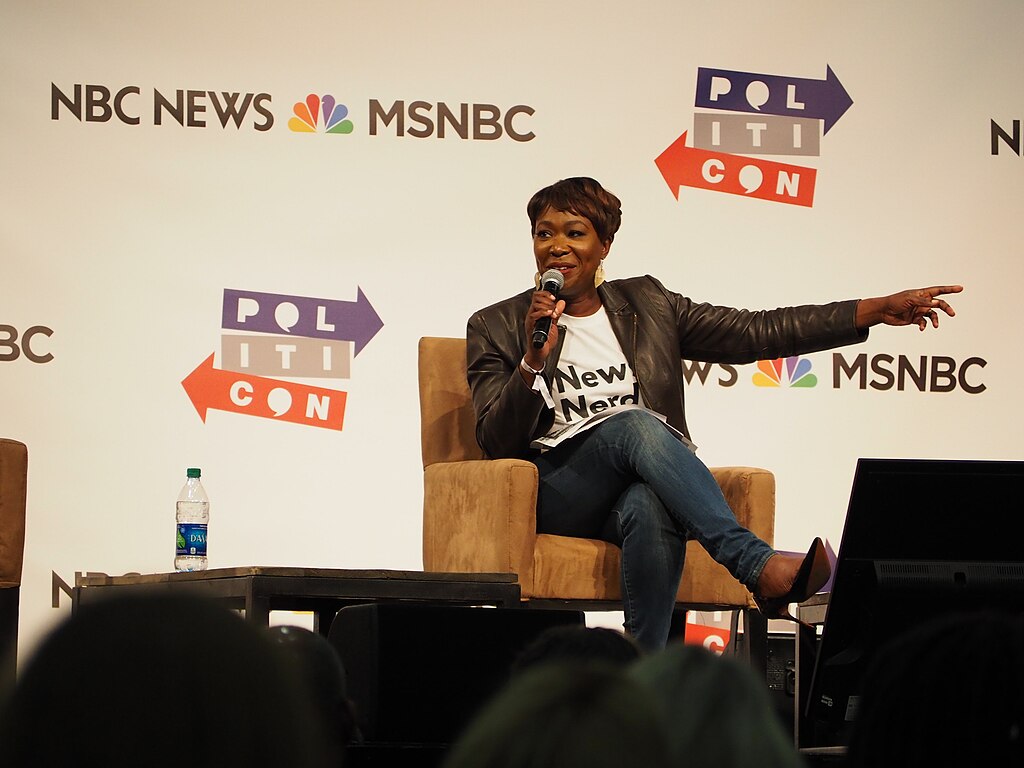
In a pointed commentary during her MSNBC show, Joy Reid denounced President-elect Donald Trump’s agenda, predicting divisive national consequences. Her remarks come as the Trump transition team continues to unveil its vision for the incoming administration, including sweeping changes in domestic and foreign policies.
Reid’s comments immediately drew sharp responses from across the political spectrum. While her supporters view her critique as a necessary challenge to Trump’s controversial proposals, opponents argue that Reid’s rhetoric undermines any potential for national reconciliation after the bitterly contested election.
Trump’s Polarizing Agenda
President-elect Trump has made bold promises about reshaping American policy on immigration, healthcare, and international trade. His administration plans to revisit climate change commitments, expand border enforcement, and cut funding for diversity, equity, and inclusion (DEI) programs. These proposals have drawn both praise and criticism, depending on the ideological stance of those evaluating them.
Critics like Reid argue that Trump’s policies threaten to dismantle progress on civil rights and environmental protections while deepening social and economic divides. Reid’s assertion that "there is no coming together" reflects concerns that Trump’s leadership may exacerbate partisan tensions rather than mend them.
MSNBC and Reid Face Backlash
Reid’s declaration has intensified debates about the role of media personalities in shaping public opinion during political transitions. While MSNBC has supported its host’s critical stance, the backlash from conservative media and Trump loyalists has been swift. Prominent figures have accused Reid of inflaming divisions instead of fostering dialogue.
At the same time, Reid’s supporters argue that her criticisms hold Trump accountable for his policy decisions. Activists and progressive groups have amplified her message, seeing her as a voice for those who fear losing ground on issues like racial equity and LGBTQ+ rights.
Calls for Unity or More Division?
Despite Reid’s warnings, Trump has appealed for national unity, emphasizing the need to move forward as a country. However, his policy initiatives and cabinet appointments continue to signal a dramatic departure from the previous administration’s priorities. Critics suggest that these moves risk alienating a significant portion of the electorate.
Political analysts note that the Biden administration faced similar opposition from conservative voices during its term. Reid’s remarks underscore the cyclical nature of American political polarization, where ideological divides hinder efforts to build consensus.
National Implications
Reid’s commentary reflects broader anxieties among progressives about the direction of the nation under Trump’s leadership. Her remarks resonate with those who view the President-elect’s agenda as a rollback of hard-fought progress. However, critics counter that such rhetoric only widens the rift between opposing factions.
As the Trump administration prepares to take office, debates over policy direction and national unity are expected to intensify. Reid’s fiery declaration will likely remain a focal point of these discussions, illustrating the challenges of navigating ideological divides in a deeply polarized nation.













