


 Meta Says States Seek $1.4 Trillion in Penalties Over Teen Social Media Addiction Lawsuit
  Iranian Missile Strike on UAE Oil Tankers Kills Indian Crew Member in Strait of Hormuz
  DOJ Seeks Dismissal of Gautam Adani Bribery Case, Citing Foreign Scope
  US Supreme Court Strikes Down Hawaii Gun Carry Law on Private Property
  UK Sanctions 24 Russian-Linked Targets Over Cyberattacks and Election Interference
  EU Weighs New Trade Restrictions on Israeli West Bank Settlements
  Supreme Court Backs Lisa Cook, Defends Federal Reserve Independence Against Trump Firing Attempt
  DOJ Orders Crackdown on Birth Tourism After Supreme Court Upholds Birthright Citizenship
  Iran Says It Closes Strait of Hormuz After Warning Shot at Vessel
  Reuters/Ipsos Poll: Most Americans Expect U.S.-Iran War to Be Prolonged
  HHS Watchdog Reports $5.56 Billion in Healthcare Fraud Recoveries as Enforcement Actions Decline
  Republican Senator Lindsey Graham Dies at 71, Leaving South Carolina Senate Seat Vacant
  Trump Tells Congress Iran Hostilities Restarted, Citing New 60-Day War Powers Window
  EU to Propose New Rules Limiting Children's Access to Social Media
  Trump Orders DOJ Investigation Into Exxon, Chevron Over High Gas Prices
  Trump Recommends Darline Graham for Interim South Carolina Senate Seat


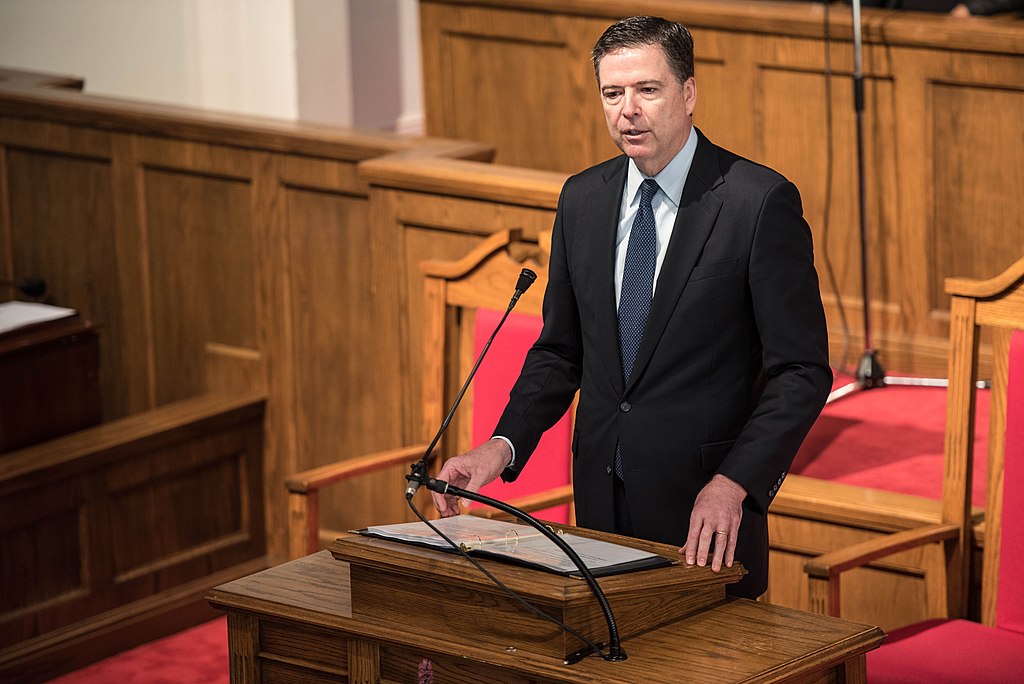
A federal judge has ruled that prosecutors must return evidence seized from a key figure connected to the now-dismissed criminal case against former FBI Director James Comey, while allowing the U.S. Department of Justice (DOJ) to seek a new warrant to obtain the information in the future. The decision represents a temporary setback for federal prosecutors considering renewed charges against Comey, a vocal critic of former President Donald Trump.
U.S. District Judge Colleen Kollar-Kotelly, based in Washington, D.C., ruled that files seized from Daniel Richman—a law professor and former attorney for Comey—must be returned. However, the judge allowed a copy of the materials to be placed under court supervision for safekeeping in case prosecutors later obtain a valid warrant. Richman had sued last month, arguing that the DOJ improperly seized and retained his files during a probe conducted between 2019 and 2020, which concluded in 2021 without charges.
In her ruling, released Friday night, Judge Kollar-Kotelly stated that retaining a copy of Richman’s files without proper safeguards against warrantless searches in a new investigation constituted an unreasonable seizure under the law. At the same time, she declined to prohibit the Justice Department from using or relying on information derived from the materials in the future. The judge emphasized that prosecutors remain free to pursue investigative leads learned from the files and to seek a new warrant to lawfully obtain them again.
The ruling comes amid heightened scrutiny of DOJ actions involving figures perceived as political adversaries of Trump. Prosecutors had used the seized files earlier this year to build a case against Comey, who was indicted in October on charges of making false statements and obstructing Congress related to his 2020 testimony about anonymous FBI disclosures to the media.
However, last month a federal judge dismissed criminal cases against both Comey and New York Attorney General Letitia James after determining that the indictments were secured by an unlawfully appointed U.S. attorney in Virginia’s Eastern District. Richman’s lawyer declined to comment on the latest ruling.
While the DOJ retains the option to revive its investigation, the decision underscores ongoing legal and constitutional challenges surrounding evidence seizures, warrants, and prosecutorial authority.







