


 South Korea's Inflation Rises Modestly in March Amid Oil Price Pressures
  Australia's Trade Surplus Surges in February on Gold Export Boom
  China's Services Sector Maintains Growth Streak Despite March Slowdown
  Trump's Claim That the U.S. Can Cover Global Jet Fuel Shortfall Doesn't Add Up
  U.S. Warplane Shot Down by Iran Amid Escalating Middle East Conflict
  Trump Expands Tariffs on Pharmaceuticals and Metals One Year After Liberation Day
  Trump Threatens Escalation Against Iran, Warns of Infrastructure Strikes
  Bank of Japan Eyes Further Rate Hikes Amid Middle East Tensions and Inflation Pressures
  Japan's Services Sector Growth Slows in March Amid Rising Middle East Tensions
  Oil Prices Surge Over $5 as Trump Vows to Continue Iran Strikes
  Gulf War Ceasefire Hopes Weigh on Dollar Ahead of Trump Address
  Gold Prices Surge as U.S.-Iran Ceasefire Talks Spark Market Optimism
  Trump's FY2027 Budget: Major Defense Boost and Domestic Spending Cuts
  RBI Clamps Down on Rupee NDF Activity, Banks Face Steeper Losses
  U.S. Stock Futures Stabilize Ahead of Good Friday as Investors Eye Jobs Report
  Oil Prices Hold Near Multi-Year Highs Amid Iran Conflict and Hormuz Supply Fears
  UAE's Largest Natural Gas Facility Suspended After Attack-Triggered Fire


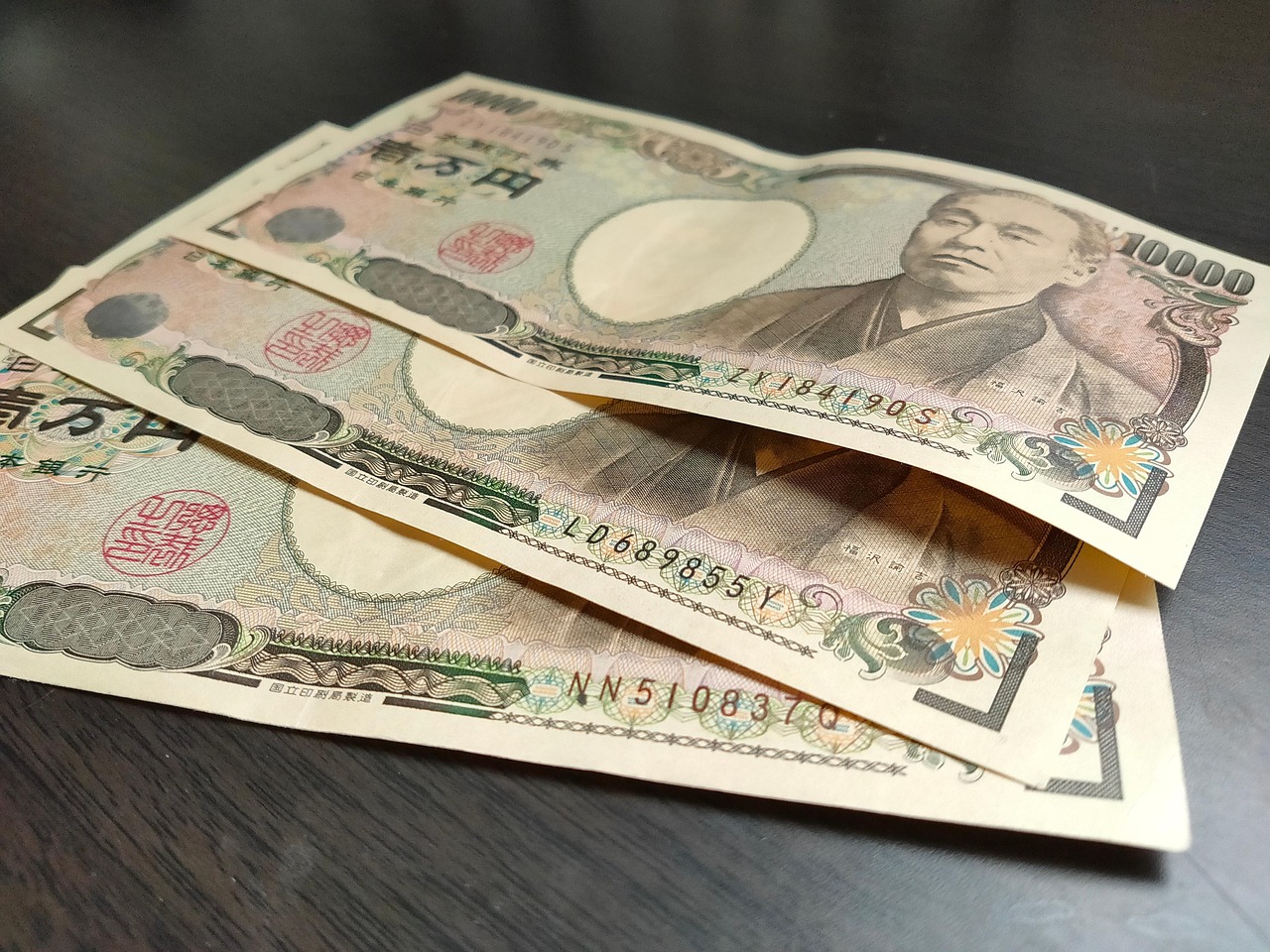
The Japanese yen extended its recent losing streak in early Asian trading on Monday after Prime Minister Sanae Takaichi secured a decisive victory in Sunday’s general election, reinforcing expectations for further fiscal stimulus. Currency markets reacted swiftly, with the yen weakening as investors assessed the implications of a strengthened government mandate and expanded spending outlook.
The yen fell as much as 0.3% to 157.72 per U.S. dollar, marking its seventh consecutive session of decline and touching its weakest level in two weeks. The move reflects growing concern that aggressive fiscal expansion under Takaichi’s leadership could weigh further on Japan’s currency, particularly as interest rate differentials with the United States remain wide.
Takaichi’s Liberal Democratic Party is projected to win up to 328 of the 465 seats in the lower house of parliament. Together with coalition partner Japan Innovation Party (Ishin), the ruling bloc has secured a two-thirds supermajority, giving it the power to override the upper chamber. This outcome significantly reduces political uncertainty and enhances the government’s ability to execute policy quickly.
According to market strategists, much of the downside risk for the yen tied to fiscal expansion had already been priced in before the election. However, attention has now shifted to how the new administration designs, communicates, and implements its fiscal plans, which will be critical in shaping currency market sentiment in the weeks ahead.
Elsewhere in the foreign exchange market, the U.S. dollar index was little changed at 97.683 as traders awaited a heavy slate of U.S. economic data, including retail sales, inflation figures, and a delayed jobs report. Expectations for Federal Reserve policy easing have edged higher, with Fed funds futures pricing a near 20% chance of a 25-basis-point rate cut at the March meeting.
The British pound slipped to $1.3598 amid political uncertainty following the resignation of Prime Minister Keir Starmer’s chief of staff. The U.S. dollar was flat against the offshore Chinese yuan at 6.93, while the Australian and New Zealand dollars posted modest gains. The euro traded sideways at $1.1819.
In digital assets, Bitcoin eased to around $70,224, while ether slipped to roughly $2,087, reflecting a cautious tone across broader financial markets.







