


 Luxury Car Sales in the Middle East Take a Hit Amid Iran War
  Australia's Trade Surplus Surges in February on Gold Export Boom
  Ukrainian Drones and the #MadeByHousewives Movement: Kyiv Fires Back at Rheinmetall CEO
  Europe's Aviation Sector on Track to Meet 2025 Green Fuel Mandate
  Gulf War Ceasefire Hopes Weigh on Dollar Ahead of Trump Address
  Trump's Iran War Speech Sparks Market Anxiety Over Extended Conflict
  Asian Stocks Surge on Trump's Iran War Comments and Dip-Buying
  First Western Ship Transits Strait of Hormuz Since Iran War Began
  U.S. Stock Futures Stabilize Ahead of Good Friday as Investors Eye Jobs Report
  Tesla Q1 2026 Deliveries Miss Estimates as AI Strategy Takes Center Stage
  BlackRock CEO Larry Fink Earns $37.7 Million in 2025 Amid Record Growth
  Bank of America's $72.5M Epstein Settlement: What You Need to Know
  South Korea Manufacturing PMI Hits 4-Year High in March 2025 Driven by Semiconductor Demand
  Japan Signals Readiness to Intervene as Yen Weakens Toward 160 Per Dollar
  Apple Turns 50: From Garage Startup to AI Crossroads
  U.S. Stock Futures Steady Amid Iran Ceasefire Talks and Trump Address
  Trump Threatens Escalation Against Iran, Warns of Infrastructure Strikes


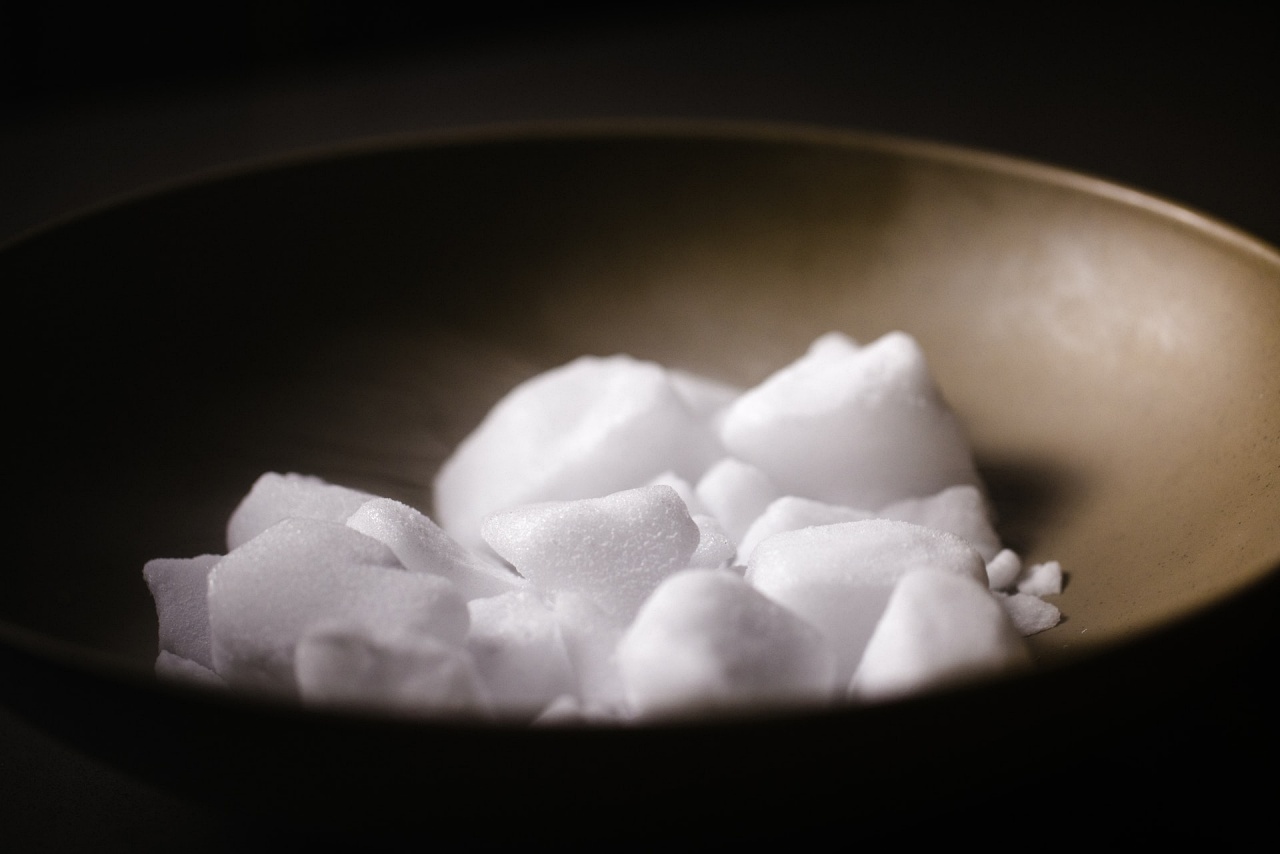
South Korean food and beverage firms, including powerhouses Orion and Crown, are reassessing the use of aspartame following its recent categorization by the World Health Organization (WHO) as a potential carcinogen. In a bid to maintain consumer trust and health, the industry seeks safer sweetening alternatives.
Many Korean companies in the food and beverage business are debating whether to continue using the sugar substitute in their products since the health organization discovered the additive could be a carcinogenic artificial sweetener. Companies are worried that customers may feel uncomfortable consuming foods and drinks with aspartame, even in the smallest amount; thus, they are now looking for alternatives.
The Korea Times noted that the World Health Organization recently placed aspartame under the Group 2B category, which means there is limited evidence that shows the substance may cause cancer. Since the finding was public, local firms have taken a cautious stance regarding the issue.
For instance, two leading Korean snack and confectionery companies - Orion and Crown - have started searching for the best alternative to sweeten their products without sugar. It was revealed that Orion typically uses 0.01% of aspartame on average, which has little effect on the consumers' health.
"Although we use a minimal amount of aspartame in 10 of our snack products, we decided to replace it with other artificial sweeteners considering the public's concern over it," an official of Orion said in a statement. "There are many alternatives we can use, but we just need to figure out what will best maintain the quality of our product."
Crown Confectionary also said it is looking for a new sweetener not because it can affect customers' health but because it would like to take away their anxiety when they buy and eat their products. On the other hand, Lotte Chilsung Beverage, the country's official distributor of Pepsi Zero, said it would continue to use aspartame.
An official at Lotte Chilsung Beverage said, "We have received an official stance from Pepsi Cola's headquarters in the United States that it is using safe amounts of aspartame in the soft drink. We will continue to offer the best quality products to consumers."
Last week, WHO announced its new discovery about aspartame and suggested that it should be categorized as "possibly carcinogenic to humans." After this announcement, food and beverage companies in Korea acted quickly to find replacements, as per Pulse News.
Photo by: Jason Leung/Unsplash







