


 Disaster or digital spectacle? The dangers of using floods to create social media content
  Can your cat recognise you by scent? New study shows it’s likely
  Debate over H-1B visas shines spotlight on US tech worker shortages
  Global Markets Slide as AI, Crypto, and Precious Metals Face Heightened Volatility
  Dow Hits 50,000 as U.S. Stocks Stage Strong Rebound Amid AI Volatility
  Canada’s local food system faces major roadblocks without urgent policy changes
  South Africa Eyes ECB Repo Lines as Inflation Eases and Rate Cuts Loom
  Elon Musk’s SpaceX Acquires xAI in Historic Deal Uniting Space and Artificial Intelligence
  Instagram Outage Disrupts Thousands of U.S. Users
  Asian Markets Surge as Japan Election, Fed Rate Cut Bets, and Tech Rally Lift Global Sentiment
  Nvidia, ByteDance, and the U.S.-China AI Chip Standoff Over H200 Exports
  Japan Economy Poised for Q4 2025 Growth as Investment and Consumption Hold Firm
  American Airlines CEO to Meet Pilots Union Amid Storm Response and Financial Concerns
  Samsung Electronics Shares Jump on HBM4 Mass Production Report


Korean restaurants are transforming the food business by adopting digital kiosks in their establishments. As more and more stores install automated ordering booths, the use of these machines is apparently not confined to city centers any longer, and it is now in the phase of becoming mainstream in the country.
The digital kiosks have already reached smaller districts in South Korea, and many are doing their business more efficiently with the help of these machines. These automated kiosks are also in smaller food establishments, allowing customers to order and receive their food without facing any restaurant staff. They just need to go to the counter when their food is ready for pickup, as per Korea Joongang Daily.
It was reported that food business operators in the country, both big and small, are installing digital kiosks not just because they make the ordering process fast and easy. These terminals' availability also helps owners save on costs because they can reduce the number of restaurant staff.
"In hindsight, it is surprising how we managed with two hall staff all these years," a local restaurant owner commented about the shift to digital kiosks. "Introducing kiosks has been one of the best decisions I've made during my nearly two decades in the restaurant business."
Suh Yong Gu, a professor of Business Administration at Sookmyung Women's University, also said, "The rise in kiosk adoption is attributed to various factors, including rising rent costs, minimum wage hikes during the Moon Jae In administration, economic downturns due to Covid-19, and the growth of platform-based workers but technically, it led to the increase in solo restaurants."
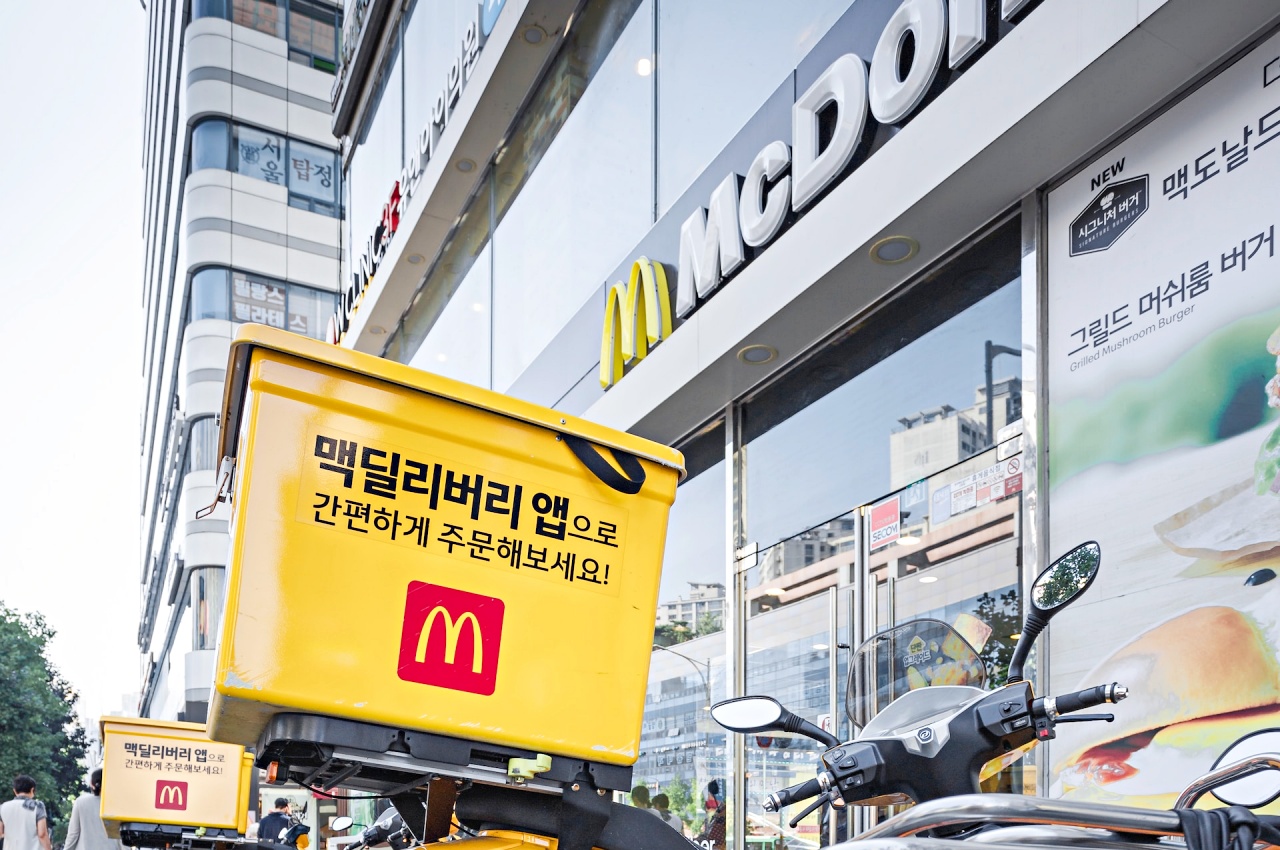
Meanwhile, with the surge of kiosk use in the region, McDonald’s Korea added a special feature to its own digital kiosks. To provide assistance to blind or visually impaired customers, it has added the voice guidance function to its kiosks.
Aju Business Daily reported that these special machines are already available in 15 McDonald's stores in Korea. This type of digital kiosks can connect to earphones, and diners may choose their food even in a noisy environment.
"We have deeply empathized with the need to install voice guidance services at kiosks for visually impaired customers," a McDonald’s Korea executive said.
Photo by: Jonathan Marchal/Unsplash













