


 Sony Q3 Profit Jumps on Gaming and Image Sensors, Full-Year Outlook Raised
  Nvidia CEO Jensen Huang Says AI Investment Boom Is Just Beginning as NVDA Shares Surge
  Rio Tinto Shares Hit Record High After Ending Glencore Merger Talks
  Baidu Approves $5 Billion Share Buyback and Plans First-Ever Dividend in 2026
  OpenAI Expands Enterprise AI Strategy With Major Hiring Push Ahead of New Business Offering
  Nasdaq Proposes Fast-Track Rule to Accelerate Index Inclusion for Major New Listings
  Nvidia, ByteDance, and the U.S.-China AI Chip Standoff Over H200 Exports
  Trump Backs Nexstar–Tegna Merger Amid Shifting U.S. Media Landscape
  Weight-Loss Drug Ads Take Over the Super Bowl as Pharma Embraces Direct-to-Consumer Marketing
  Once Upon a Farm Raises Nearly $198 Million in IPO, Valued at Over $724 Million
  Alphabet’s Massive AI Spending Surge Signals Confidence in Google’s Growth Engine
  Missouri Judge Dismisses Lawsuit Challenging Starbucks’ Diversity and Inclusion Policies
  Tencent Shares Slide After WeChat Restricts YuanBao AI Promotional Links
  TSMC Eyes 3nm Chip Production in Japan with $17 Billion Kumamoto Investment
  SpaceX Prioritizes Moon Mission Before Mars as Starship Development Accelerates
  Toyota’s Surprise CEO Change Signals Strategic Shift Amid Global Auto Turmoil
  Washington Post Publisher Will Lewis Steps Down After Layoffs


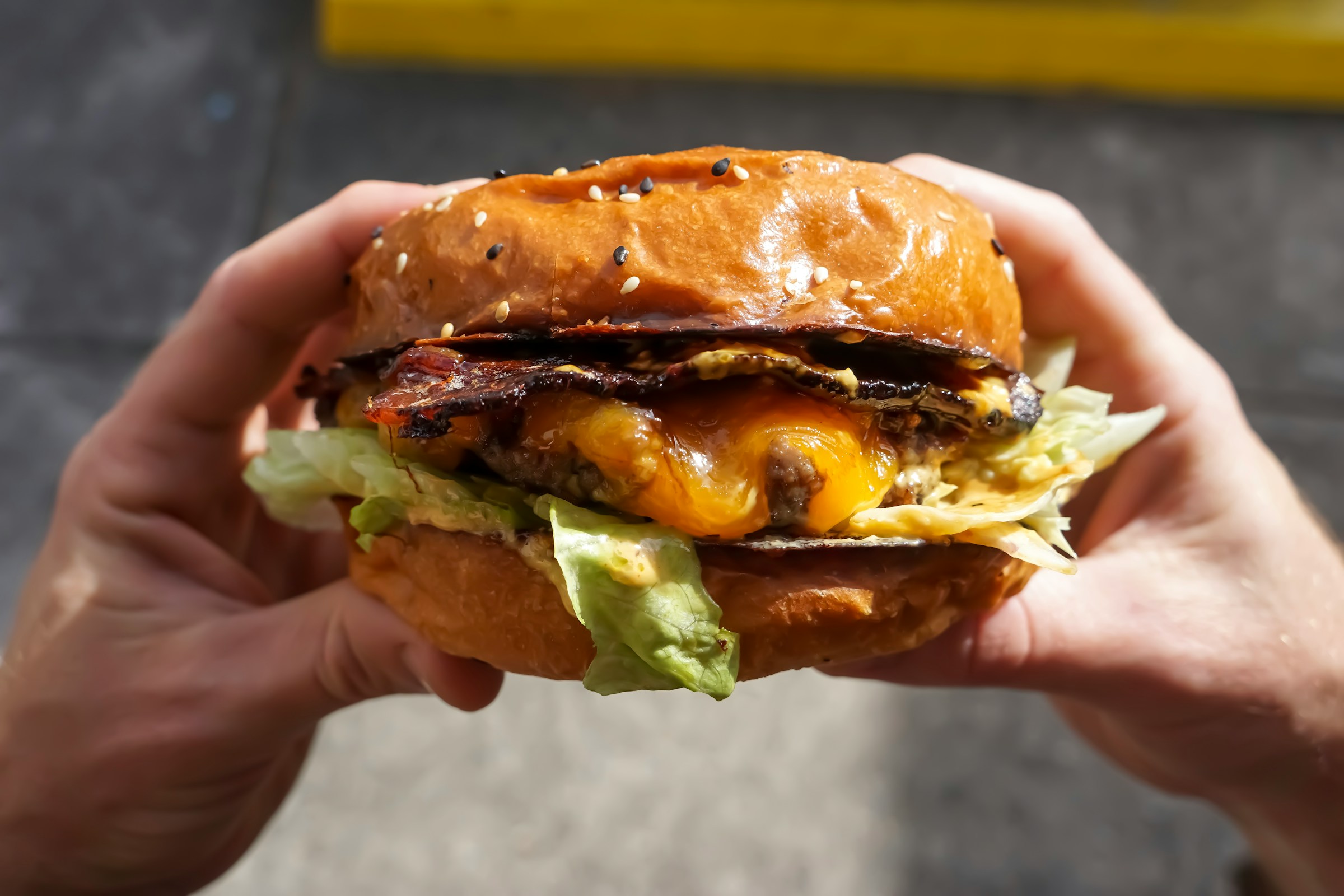
Maharashtra FDA has taken action against fast food giant McDonald's for allegedly using cheese substitutes in their products. It has suspended a McDonald's outlet license in Ahmednagar, leading the chain to remove the term "cheese" from multiple items.
According to The Times of India, McDonald's was reportedly caught using cheese analogs in burgers and nuggets instead of real cheese. These substitutes replicate the taste and texture of traditional dairy cheese by replacing milk or dairy fat with vegetable oil.
The FDA urged the chain to expand this corrective measure statewide and possibly nationwide.
Consumer Reaction and Brand Trust
MSN reported that public response to the FDA's findings has been swift and critical. Patrons of the fast-food chain, already wary of product quality in the industry, are expressing their disappointment and feeling deceived. This incident has sparked a larger conversation about transparency and trust between consumers and the food industry.
McDonald's faces a pivotal moment in addressing these concerns and restoring confidence in its brand commitment to quality.
Legal Implications and Corporate Accountability
The allegations against McDonald's could have significant legal implications, including potential fines and the enforcement of stricter labeling and food safety standards. Moreover, the situation highlights the broader issue of corporate accountability in the food industry—companies must ensure that their products are safe for consumption and accurately reflected in their marketing and packaging to maintain consumer trust.
Corporate Response and Strategy Moving Forward
In light of the allegations, McDonald's has issued a statement affirming their commitment to quality and adherence to local regulations. They have promised a thorough internal investigation and are prepared to cooperate fully with Maharashtra FDA's inquiries.
McDonald's may also review its supply chain management to prevent such issues and launch a campaign to regain consumer trust. This scenario underscores the importance of robust regulatory compliance systems and transparent communication with both authorities and customers in the food service industry.
As the McDonald's case unfolds, it presents an opportunity for the company to scrutinize and reform its supply chain and engage more openly with customers and advocacy groups. A dialogue that incorporates consumer concerns into corporate practice could become a cornerstone of McDonald's strategy to rebuild trust and demonstrate that they genuinely value customer satisfaction and safety.
Photo: Carles Rabada/Unsplash













