


 Weight-Loss Drug Ads Take Over the Super Bowl as Pharma Embraces Direct-to-Consumer Marketing
  OpenAI Expands Enterprise AI Strategy With Major Hiring Push Ahead of New Business Offering
  TSMC Eyes 3nm Chip Production in Japan with $17 Billion Kumamoto Investment
  Hims & Hers Halts Compounded Semaglutide Pill After FDA Warning
  Instagram Outage Disrupts Thousands of U.S. Users
  TrumpRx Website Launches to Offer Discounted Prescription Drugs for Cash-Paying Americans
  SpaceX Prioritizes Moon Mission Before Mars as Starship Development Accelerates
  Toyota’s Surprise CEO Change Signals Strategic Shift Amid Global Auto Turmoil
  Nvidia CEO Jensen Huang Says AI Investment Boom Is Just Beginning as NVDA Shares Surge
  Global PC Makers Eye Chinese Memory Chip Suppliers Amid Ongoing Supply Crunch
  Trump Backs Nexstar–Tegna Merger Amid Shifting U.S. Media Landscape
  SoftBank Shares Slide After Arm Earnings Miss Fuels Tech Stock Sell-Off
  CK Hutchison Launches Arbitration After Panama Court Revokes Canal Port Licences
  Washington Post Publisher Will Lewis Steps Down After Layoffs
  Sony Q3 Profit Jumps on Gaming and Image Sensors, Full-Year Outlook Raised
  Amazon Stock Rebounds After Earnings as $200B Capex Plan Sparks AI Spending Debate


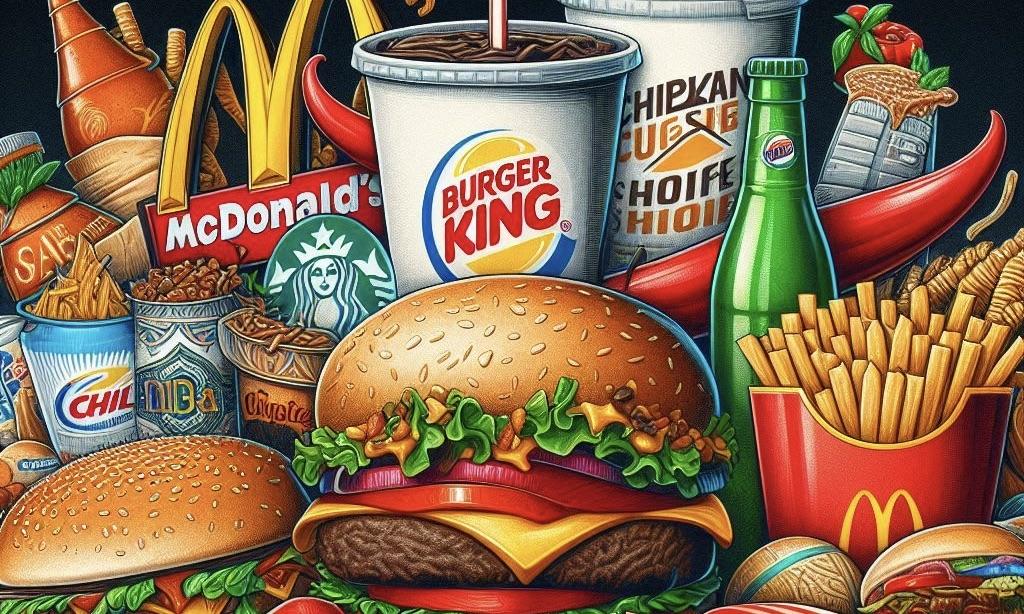
As the summer heats up, fast-food chains launch aggressive value meal promotions to attract budget-conscious diners. The latest trend is that major players like McDonald's, Taco Bell, Burger King, and Wendy's are reviving the $5 price point to regain foot traffic and boost sales amid economic uncertainty.
Reviving the $5 Meal Deal
A decade ago, Subway began phasing out its popular $5 footlong sandwiches. Today, other fast-food giants are bringing back the $5 meal deal to entice customers who have tightened their spending. This strategy is in response to a notable decline in customer visits and sluggish sales reported by many restaurant companies in their second-quarter results. Chipotle remains a rare exception, showing resilience amid the broader industry's downturn.
Despite the efforts to attract more customers, Wall Street remains skeptical. McDonald's, for example, has seen an uptick in traffic due to its $5 promotions, but analysts are not expecting a significant sales surge from these deals.
Economic Pressures and Changing Consumer Behavior
Historically, fast food has performed better than other sectors during economic downturns. However, the recent trend of price hikes has led many consumers to view fast food as less of a bargain. A LendingTree survey found that over 60% of respondents have cut back on fast-food spending due to high costs. This shift has particularly impacted low-income customers, a critical fast-food-chain demographic.
In response, casual dining establishments like Chili’s have marketed their offerings as better value alternatives to fast food. This strategy has helped casual dining chains capture some market share from fast-food outlets. According to Darden Restaurants CEO Rick Cardenas, this shift in consumer behavior is evident in their increased patronage.
Investor and Franchisee Reactions
The decline in fast-food patronage has not gone unnoticed by investors. Shares of McDonald's, Burger King parent Restaurant Brands International, and Wendy's have dropped double this year. Taco Bell owner Yum Brands has also seen a slight decline, while the S&P 500 has risen by 14% in 2024.
Franchisees, who often bear the brunt of promotional costs, are also wary of the new value meal deals. Many have resisted such initiatives, fearing they will erode profits. McDonald's franchisees, for instance, formed the National Owners Association in 2018 to oppose the company's discount strategies.
Can Value Meals Drive Bigger Purchases?
Fast-food chains typically offer discounts and value meals in the first quarter to attract post-holiday, budget-conscious consumers. However, this summer, the need for discounts has extended into the warmer months to drive traffic and sales growth.
The objective is to increase customer visits and convert bargain hunters into higher-ticket buyers through additional purchases. Without this conversion, the discounts risk becoming unsustainable and further straining profits.
The Subway Cautionary Tale
Subway’s $5 footlong deal, once a customer favorite, ultimately led to profit erosion and operational challenges, resulting in restaurant closures and disgruntled franchisees. This history is a cautionary tale for current fast-food chains relying heavily on value meals to drive sales.
Market Outlook and Future Earnings Reports
McDonald's is set to report its second-quarter earnings on Monday, with Wendy's following on Wednesday. Restaurant Brands and Yum Brands will release their quarterly results the following week. Analysts anticipate underwhelming performance reports, reflecting broader industry struggles.
Conclusion
The fast-food sector is fiercely competing to attract low-income diners with summer value meals. As economic pressures mount, these promotions aim to stabilize traffic and sales. However, the long-term viability of such strategies remains uncertain, raising concerns among investors and franchisees alike.













