


 Kitron Q2 Revenue Beats Estimates as Defense Demand Lifts Growth
  South Korea’s KOSPI Triggers Trading Curb as AI Chip Stock Selloff Deepens
  Gordie Howe Bridge to Open July 27 After U.S.-Canada Reach Toll Revenue Agreement
  Japanese Yen Holds Steady as Intervention Hopes Grow Ahead of U.S. CPI Data
  Yaskawa Electric Shares Slide as Weak Profit Overshadows Strong AI Demand
  Why have so few atrocities ever been recognised as genocide?
  Office design isn’t keeping up with post-COVID work styles - here’s what workers really want
  UBS Starts CarTrade Tech With Buy Rating, Sees Strong Earnings Growth and ₹4,000 Target
  Asia Stocks Slip as Iran-Hormuz Tensions Lift Oil Prices, Dollar and Bond Yields
  Oppenheimer Sees CNH Industrial as Top 2026 Agriculture Stock Pick on Dealer Consolidation Strategy
  US-Iran Strikes Escalate as Strait of Hormuz Crisis Pushes Oil Prices Higher
  6 simple questions to tell if a ‘finfluencer’ is more flash than cash
  Morgan Stanley Names Marks & Spencer Top European Retail Pick, Sees Strong Upside
  SoftBank Corp Partners With Sierra to Expand AI Customer Support Across Japan
  Time to buy local: war fuel price shocks reveal the folly of a long food supply chain
  SK Hynix Shares Drop After Strong Nasdaq Debut Despite $26 Billion ADR Listing


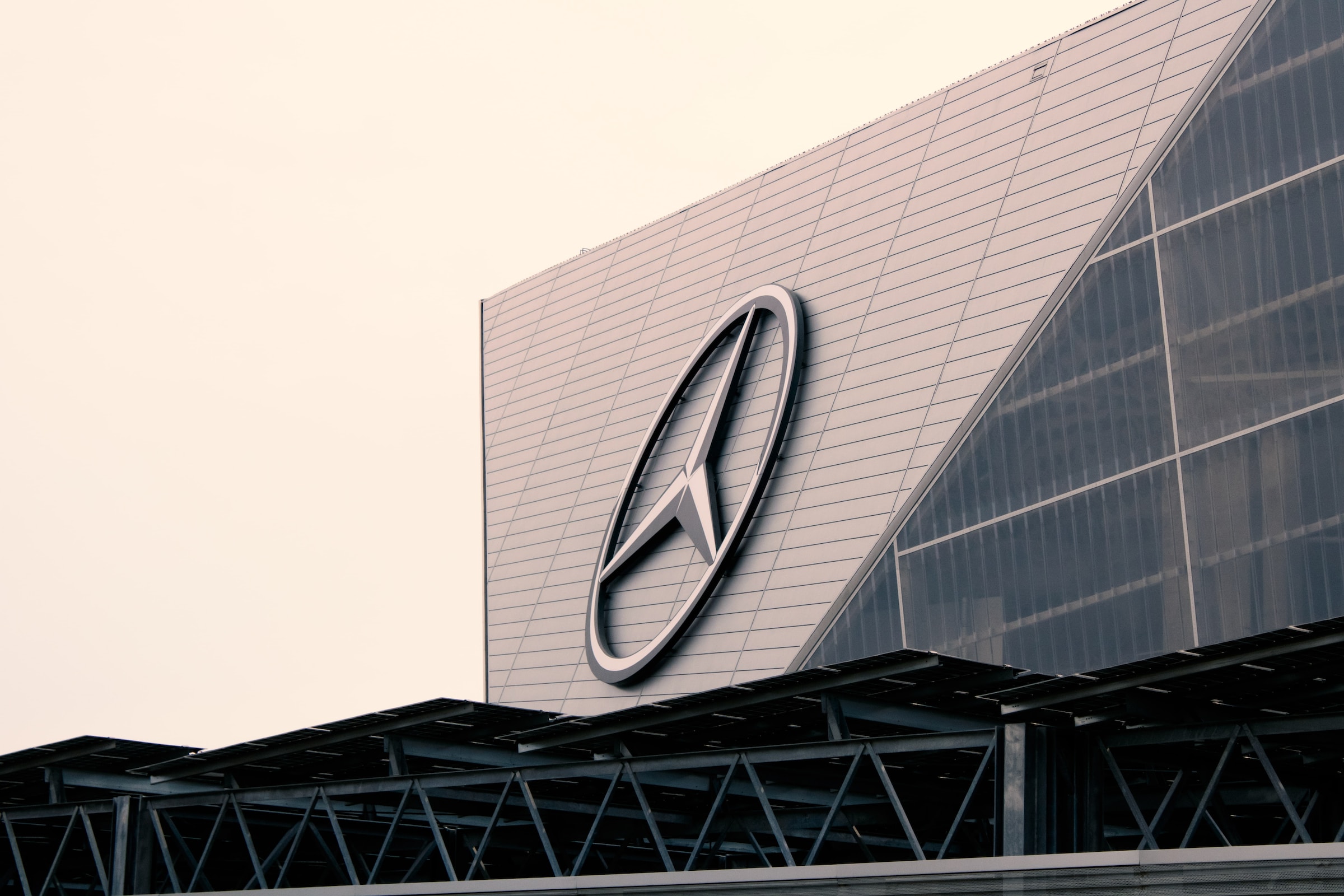
Amid a burgeoning online car buying trend spurred by the COVID-19 pandemic, Mercedes-Benz Korea is reportedly mulling over a direct-to-consumer retail model akin to Tesla's strategy. Industry insiders believe the shift, already a success at their German headquarters, could become an inevitable reality despite the company's denial.
Recent reports suggest that Mercedes-Benz Korea recently met with its dealers to discuss the possibility of implementing a direct sales system and boosting its online presence. This move seems influenced by their German headquarters, which has already witnessed success in increasing online sales across Europe.
One of the main reasons behind this consideration is to reduce the inconvenience caused by varying prices among different dealers. Additionally, streamlining the number of showrooms would help cut labor costs. Moreover, simplifying the distribution process would prove advantageous given the higher price tag associated with electric vehicles (EVs).
When asked about the matter, a spokesperson for Mercedes-Benz Korea stated that the company is engaging in transparent discussions with its dealerships regarding its future strategy. However, detailed information regarding these discussions is currently not available.
Regarding the potential adoption of a direct-to-consumer retail model, Lee Tae-hun, a Daekyeung University's Department of Car Business professor, suggests that expanding online sales is not a matter of if but rather when and how it will be implemented. Mercedes-Benz Korea offers certified used cars online, indicating their readiness to adopt online sales for new vehicles.
Similarly, other automobile giants like Hyundai Motor and Kia are exploring the certified car market while openly considering bypassing dealerships in favor of online sales. It appears that the direction of the auto sales industry is heading towards expanding online sales, as consumers have become increasingly comfortable with making online purchases during the pandemic.
The professor concludes that while online sales may decrease the number of dealerships, they will remain a crucial part of the industry, considering the substantial investment required for purchasing cars. By restructuring the information and making it more engaging, we can better understand Mercedes-Benz Korea's potential shift towards a direct-to-consumer retail model and the overall trend toward online car sales.
Photo: Jonathan Gong/Unsplash







