


 Trump Allegedly Sought Airport, Penn Station Renaming in Exchange for Hudson River Tunnel Funding
  Pentagon Ends Military Education Programs With Harvard University
  Trump Signs “America First Arms Transfer Strategy” to Prioritize U.S. Weapons Sales
  U.S. Lawmakers to Review Unredacted Jeffrey Epstein DOJ Files Starting Monday
  Netanyahu to Meet Trump in Washington as Iran Nuclear Talks Intensify
  TrumpRx.gov Highlights GLP-1 Drug Discounts but Offers Limited Savings for Most Americans
  Trump Signs Executive Order Threatening 25% Tariffs on Countries Trading With Iran
  Trump Backs Nexstar–Tegna Merger Amid Shifting U.S. Media Landscape
  New York Legalizes Medical Aid in Dying for Terminally Ill Patients
  Trump’s Inflation Claims Clash With Voters’ Cost-of-Living Reality
  U.S. to Begin Paying UN Dues as Financial Crisis Spurs Push for Reforms
  U.S. Announces Additional $6 Million in Humanitarian Aid to Cuba Amid Oil Sanctions and Fuel Shortages
  China Warns US Arms Sales to Taiwan Could Disrupt Trump’s Planned Visit
  Missouri Judge Dismisses Lawsuit Challenging Starbucks’ Diversity and Inclusion Policies
  Trump Allows Commercial Fishing in Protected New England Waters
  U.S.-India Trade Framework Signals Major Shift in Tariffs, Energy, and Supply Chains


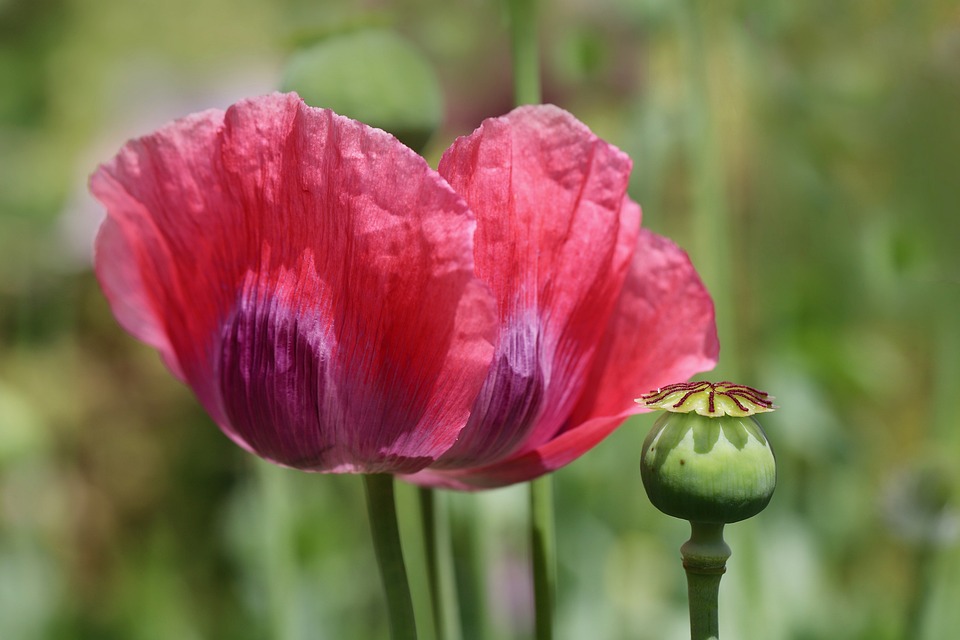
Myanmar has been in a state of unrest for nearly two years since the generals seized power in a coup that overthrew the elected government. A report found that opium cultivation in the country increased under the junta government.
A report by the United Nations on Thursday found that in 2022, opium cultivation in Myanmar increased by 33 percent under the junta, reversing the six-year decline. The increase was directly attributed to the political and economic unrest in the country since the coup, according to an official from the UN Office on Drugs and Crime.
“Economic, security, and governance disruptions that followed the military takeover of February 2021 have converged, and farmers in remote, often conflict-prone areas…have had little option but to move back to opium,” said UNODC regional representative Jeremy Douglas.
“Without alternatives and economic stability, it is likely that opium cultivation and production will continue to expand,” said UNODC Myanmar country manager Benedict Hofmann.
The report said the cultivated area in 2022 expanded up to 40,100 hectares as the average estimated yield went up 41 percent to nearly 20 kilograms per hectare. This marked the highest value since the UN agency started to keep records in 2002. Myanmar’s eastern Shan state saw the biggest cultivation at 39 percent.
The report also noted that the value of opium that is produced in Myanmar could go up to $2 billion annually, with the drug getting smuggled out to neighboring countries and reaching the global market.
A group of Myanmar activists and 16 alleged victims of abuse filed a criminal complaint in Germany against the military in another international effort to hold the Myanmar military accountable. The complaint accused the Myanmar generals of inciting genocide against the Rohingya Muslims, as well as the atrocities committed against civilians and those who opposed the coup.
The rights group backing the complaint, Fortify Rights, said Germany was picked because of its recognition of the principle of “universal jurisdiction,” meaning that individuals accused of international crimes could be tried by a national court. The group hopes that German authorities take up the complaint and launch an investigation into the matter.













