


 Ohio Man Indicted for Alleged Threat Against Vice President JD Vance, Faces Additional Federal Charges
  Gold and Silver Prices Slide as Dollar Strength and Easing Tensions Weigh on Metals
  South Korea’s Weak Won Struggles as Retail Investors Pour Money Into U.S. Stocks
  Bank of Japan Signals Readiness for Near-Term Rate Hike as Inflation Nears Target
  Trump Lifts 25% Tariff on Indian Goods in Strategic U.S.–India Trade and Energy Deal
  Anutin’s Bhumjaithai Party Wins Thai Election, Signals Shift Toward Political Stability
  US Pushes Ukraine-Russia Peace Talks Before Summer Amid Escalating Attacks
  Trump Says “Very Good Talks” Underway on Russia-Ukraine War as Peace Efforts Continue
  India–U.S. Interim Trade Pact Cuts Auto Tariffs but Leaves Tesla Out
  U.S. to Begin Paying UN Dues as Financial Crisis Spurs Push for Reforms
  U.S. Lawmakers to Review Unredacted Jeffrey Epstein DOJ Files Starting Monday
  Israel Approves West Bank Measures Expanding Settler Land Access
  Vietnam’s Trade Surplus With US Jumps as Exports Surge and China Imports Hit Record
  Dollar Steadies Ahead of ECB and BoE Decisions as Markets Turn Risk-Off
  Bosnian Serb Presidential Rerun Confirms Victory for Dodik Ally Amid Allegations of Irregularities
  Iran–U.S. Nuclear Talks in Oman Face Major Hurdles Amid Rising Regional Tensions
  Trump Backs Nexstar–Tegna Merger Amid Shifting U.S. Media Landscape


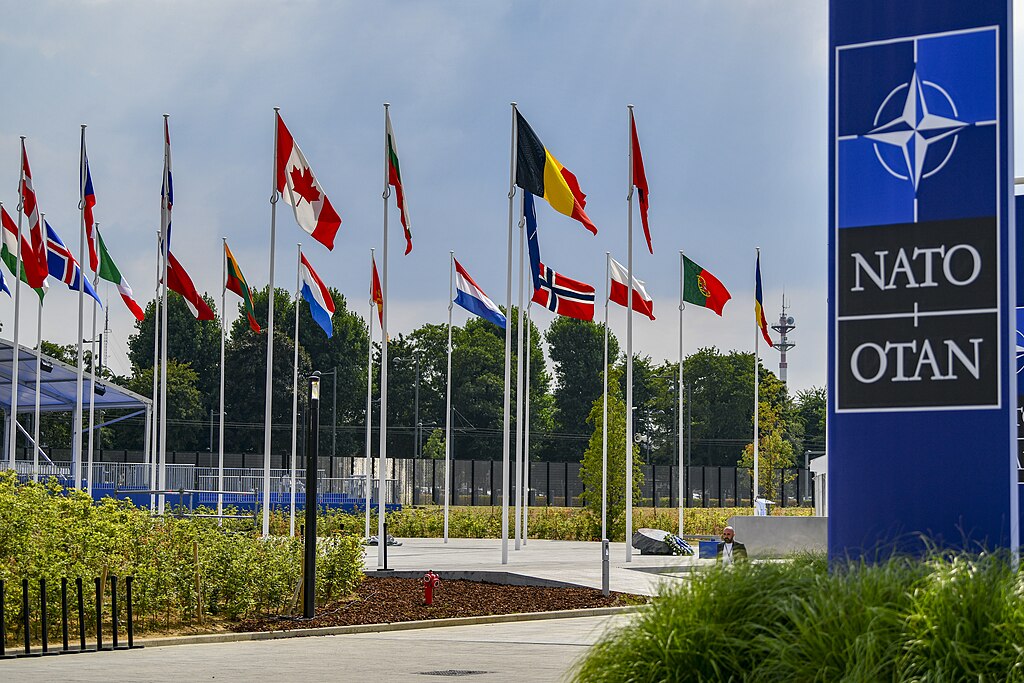
NATO allies have agreed to raise their collective defense spending target to 5% of GDP, responding to pressure from U.S. President Donald Trump ahead of this week’s summit in The Hague. The move aims to counter rising threats from Russia and reduce reliance on U.S. military support, as Washington pivots its focus toward China.
Despite the consensus among members, Spanish Prime Minister Pedro Sanchez publicly rejected the new target, stating Spain will not comply due to economic concerns. Sanchez emphasized that reaching the 5% goal would require either slashing social programs or raising taxes, which his government refuses to consider.
NATO Secretary-General Mark Rutte proposed achieving the 5% benchmark through a mix of core military spending—raising the original 2% target to 3.5%—and an additional 1.5% on cyber defense and infrastructure upgrades. Spain, however, insists that meeting just 2.1% of GDP is enough to fulfill its NATO obligations.
Trump sharply criticized Spain’s low defense contributions, calling the country “notorious” for underspending. In contrast, the U.S. spent 3.19% of GDP on defense in 2024, according to NATO data.
A compromise in the summit statement's language—switching from “we commit” to “allies commit”—allowed Spain to interpret the pledge as non-binding. A letter from Rutte to Sanchez reaffirmed that each member has the “sovereign path” to meet its agreed military capability targets, though these targets remain classified.
The final summit text sets a 2035 deadline for the new defense spending plan, with a review scheduled for 2029. While all members have agreed to the overall statement, doubts remain whether Spain’s proposed level of spending will satisfy NATO’s strategic needs.













