


 Nvidia Nears $20 Billion OpenAI Investment as AI Funding Race Intensifies
  AMD Shares Slide Despite Earnings Beat as Cautious Revenue Outlook Weighs on Stock
  Alphabet’s Massive AI Spending Surge Signals Confidence in Google’s Growth Engine
  Global PC Makers Eye Chinese Memory Chip Suppliers Amid Ongoing Supply Crunch
  SpaceX Pushes for Early Stock Index Inclusion Ahead of Potential Record-Breaking IPO
  Sony Q3 Profit Jumps on Gaming and Image Sensors, Full-Year Outlook Raised
  SoftBank and Intel Partner to Develop Next-Generation Memory Chips for AI Data Centers
  Jensen Huang Urges Taiwan Suppliers to Boost AI Chip Production Amid Surging Demand
  Amazon Stock Rebounds After Earnings as $200B Capex Plan Sparks AI Spending Debate
  TSMC Eyes 3nm Chip Production in Japan with $17 Billion Kumamoto Investment
  Elon Musk’s Empire: SpaceX, Tesla, and xAI Merger Talks Spark Investor Debate
  OpenAI Expands Enterprise AI Strategy With Major Hiring Push Ahead of New Business Offering
  Tencent Shares Slide After WeChat Restricts YuanBao AI Promotional Links
  Elon Musk’s SpaceX Acquires xAI in Historic Deal Uniting Space and Artificial Intelligence
  SpaceX Updates Starlink Privacy Policy to Allow AI Training as xAI Merger Talks and IPO Loom
  Nvidia Confirms Major OpenAI Investment Amid AI Funding Race


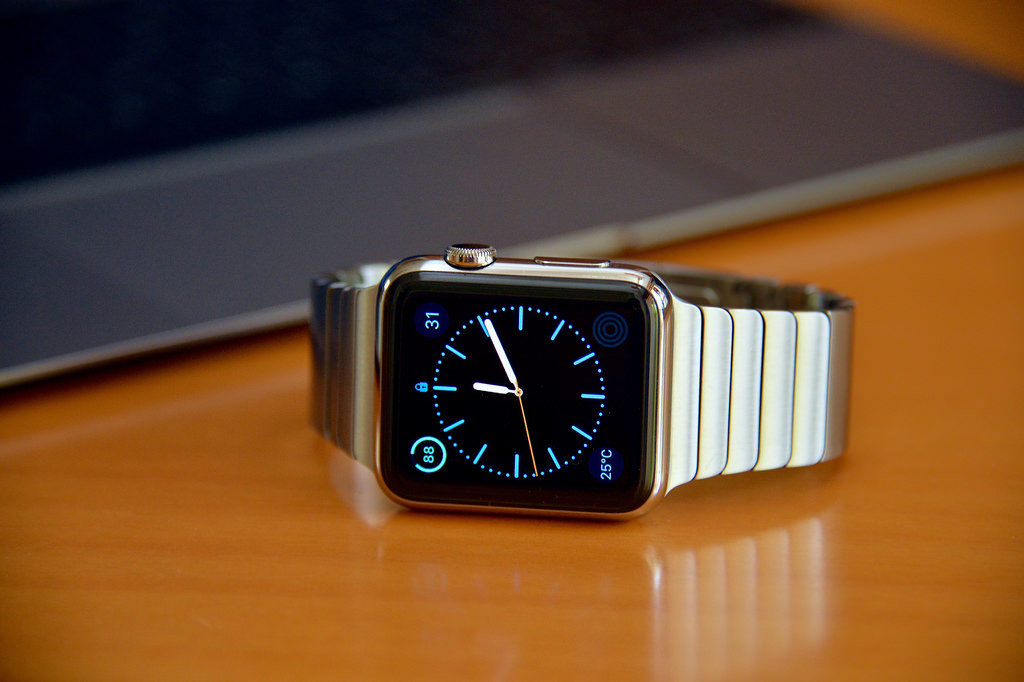
It would seem that Apple has finally found a good place for its smartwatch line with the “Apple Watch Series 2.” Not only did it fix many of the standing issues that customers had with the previous model, the marketing is finally spot-on.
When the Apple Watch came out, Apple made a big deal out of it, even catering limited edition sets to pop icons like Beyoncé with the solid gold versions. However, since its inception, the wearable has been largely ridiculed. This was due to its cumbersome controls, the short battery life, and the unfashionable appearance, Gizmodo notes.
With the newest smartwatch, however, users get updated fitness features, a longer operation time, and even better processing power. It’s basically a product that provides users the kind of functionality that it should have always had.
One of the biggest problems that Apple encountered with the original wearable is the marketing. The tech giant wanted people to view the Apple Watch as a fashion accessory as much as a tech product. This simply was never going to work, largely because lovers of fashionable watches like their wearables to increase in value over time and to have circular faces; two things that Apple’s product did not offer.
This time around, the tech company is marketing the device as a fitness wearable, which makes a lot more sense. To that effect, Apple improved the GPS capability of the watch, allowing it to track distance and speed more accurately. It’s also readable even under bright light now, Tom’s Guide notes, which is important for runners.
Best of all, it’s also water-resistant, which is not to say that it can survive a deep dive in the water. For runners who like dashing in the rain or users who prefer to swim their way to fitness, though, the Apple “Watch Series 2” can at least keep up.













