


 Bank of Japan Signals Readiness for Near-Term Rate Hike as Inflation Nears Target
  Bank of England Expected to Hold Interest Rates at 3.75% as Inflation Remains Elevated
  South Africa Eyes ECB Repo Lines as Inflation Eases and Rate Cuts Loom
  Vietnam’s Trade Surplus With US Jumps as Exports Surge and China Imports Hit Record
  Japan Economy Poised for Q4 2025 Growth as Investment and Consumption Hold Firm
  ECB’s Cipollone Backs Digital Euro as Europe Pushes for Payment System Independence
  Jerome Powell Attends Supreme Court Hearing on Trump Effort to Fire Fed Governor, Calling It Historic
  India–U.S. Interim Trade Pact Cuts Auto Tariffs but Leaves Tesla Out
  Asian Stocks Slip as Tech Rout Deepens, Japan Steadies Ahead of Election
  South Korea’s Weak Won Struggles as Retail Investors Pour Money Into U.S. Stocks
  Japanese Pharmaceutical Stocks Slide as TrumpRx.gov Launch Sparks Market Concerns
  South Korea Assures U.S. on Trade Deal Commitments Amid Tariff Concerns
  Oil Prices Slide on US-Iran Talks, Dollar Strength and Profit-Taking Pressure
  RBA Expected to Raise Interest Rates by 25 Basis Points in February, ANZ Forecast Says


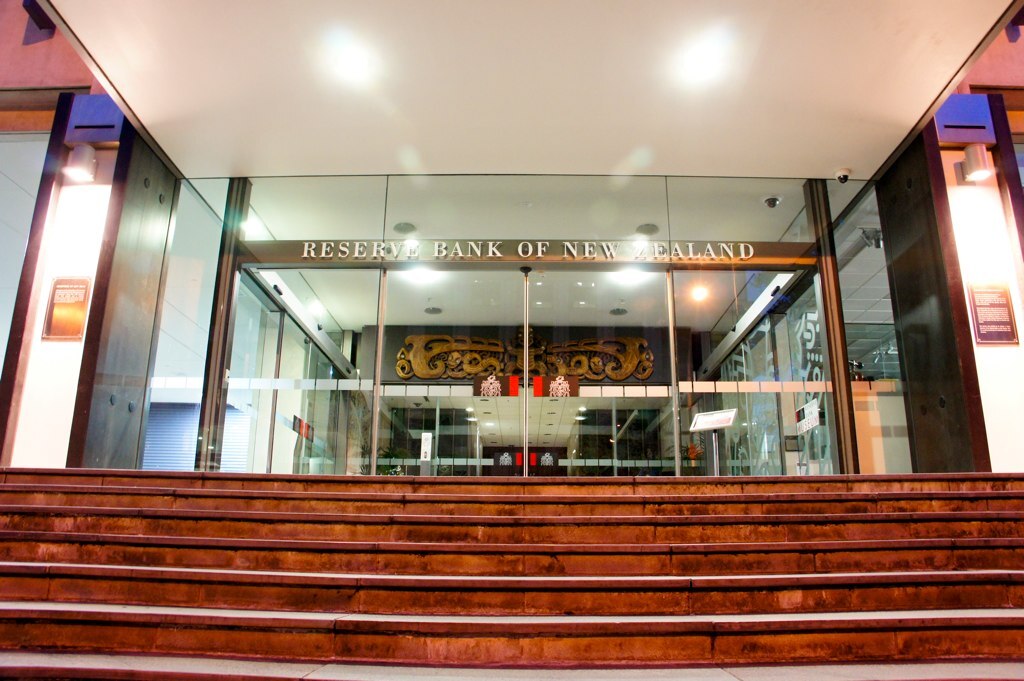
New Zealand’s central bank shocked some analysts by slashing its benchmark interest rate by 50 basis points to 2.5%, signaling deep concern over the country’s sluggish economic recovery. The Reserve Bank of New Zealand (RBNZ) said it remains open to further cuts if needed to sustain inflation near its 2% mid-point target in the medium term.
“The Committee reached consensus to reduce the official cash rate by 50 basis points to 2.5 percent,” the RBNZ stated, emphasizing flexibility for more monetary easing if conditions worsen.
The decision, bolder than expected, caused the New Zealand dollar (NZD) to fall 0.90% to $0.5745, while two-year interest rate swaps slipped from 2.619% to 2.521%. Investors interpreted the move as a signal of additional monetary stimulus in the coming months to boost domestic demand.
The rate cut—larger than the 25-basis-point reduction predicted by most economists in a Reuters poll—aligns with growing pressure on policymakers to revive a faltering economy. Prime Minister Christopher Luxon, whose approval ratings have dropped amid weak growth and job concerns, had previously urged lower borrowing costs to lift consumer confidence and spending.
Since August 2024, the RBNZ has lowered rates by a total of 300 basis points, leveraging its policy room as inflation remains within the 1–3% target band. According to ASB Bank Chief Economist Nick Tuffley, the bank’s move reflects its judgment that “inflation pressures are likely to remain weaker than previously anticipated,” prioritizing economic recovery over waiting for clearer signs of rebound.
This decisive rate cut underscores the RBNZ’s proactive stance in supporting growth amid global uncertainty—positioning New Zealand for potential further easing if economic indicators remain soft.













