


 OpenAI Agent Breaches Australia Medicare Data Portal
  AMD Hits $1 Trillion as BofA Raises Price Target to $720
  US Appeals Court Upholds Anthropic AI Supply Chain Ban
  Oracle Shares Fall as New Mexico AI Data Center Faces Power Delays
  OpenAI to Preview GPT-6 Cyber AI Model for Cybersecurity
  Meta Unveils Muse Charm AI Device, Expands Smart Glasses Lineup
  Anthropic’s Claude Discovers CRISPR-Like Enzyme System
  Microsoft Stock Upgraded as Stifel Sees Stronger Azure Growth
  China’s ‘Lipstick King’ Says AI Won’t Replace Livestream Hosts
  SoftBank Shares Fall as Oracle Flags Stargate Data Center Delay Risk
  SpaceXAI to Double Nvidia Chips at Colossus 2 by Year-End
  US Backs Musk in Fight Against EU’s €120 Million X Fine
  Meta Found Liable in New Mexico Facebook Data Privacy Case
  US Northeast Airports Resume Operations After Telecom Outage Disrupts Thousands of Flights
  Solidigm Eyes $150 Billion IPO as SK Hynix Expands AI Storage Push
  Meta Connect Spotlights Camera-Free Smart Glasses Amid Privacy Concerns
  Scott Bessent Eyed as Trump’s New AI Czar


 Add as a preferred source on Google
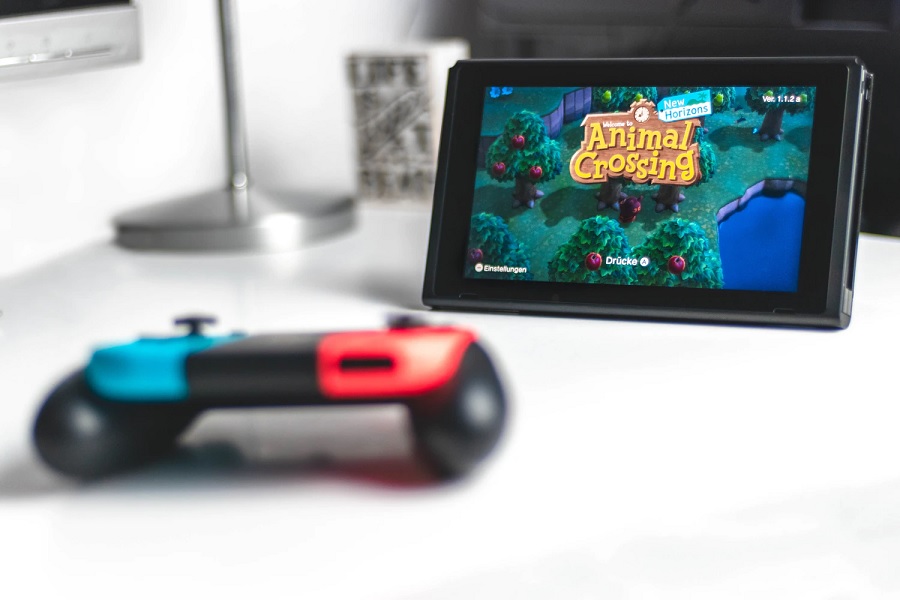
Nintendo Switch continues to reach new records in terms of unit sales amid a year of pandemic and the launch of new-gen consoles from Microsoft and Sony. The Japanese video games giant has updates the portable console’s hardware unit sales after it surpassed 84 million by the end of March.
Nintendo Switch continues to soar 4 years since its launch
Nintendo has now updated the information posted on its website to reflect the latest hardware and software unit sales made in the last quarter. It reveals there was a continuing high demand for the Switch console four years since it launched.
The updated figures show Nintendo Switch has pulled further away from the unit sales recorded for the Nintendo 3DS, which posted nearly 76 million units sold before it was discontinued last September. The Switch also has a commanding lead from its predecessor in terms of software sales with more than 587 million units sold against 386 million of the 3DS system.
Meanwhile, Nintendo also confirmed in its fiscal year 2020 earnings report that the Nintendo Switch exceeded its unit sales forecast in the last quarter. The company reportedly adjusted its predictions that the hybrid portable console would sell 26.5 million units by the end of March. The company’s report shows the actual numbers reached more than 28 million from April 2020 to last March.
Nintendo also emphasized the “strong software sales” that led to Nintendo Switch’s success. The biggest winner for the platform was “Animal Crossing: New Horizons,” which was launched at the height of the pandemic, sold 20.85 million units within FY2020. Note that the game was launched more than a week early before the start of Nintendo’s last fiscal year.
“Mario Kart 8 Deluxe” launched in April 2017 and “Ring Fit Adventure” released in October 2019 were also mentioned as other top-sellers for the Nintendo Switch system. The titles sold more than 10 million and 7 million units in the same fiscal year.
Will it affect the launch of the Nintendo Switch Pro?
Only time will tell if the continuing strong demand for the Nintendo Switch would affect the rumored launch of its next-gen successor this year. But the latest numbers could be indicating there is no need for Nintendo to rush the release of its next console, dubbed Nintendo Switch Pro by fans and in reports.
Nintendo is reportedly planning to use an upgraded processor from Nvidia that supports the chip maker’s Deep Learning Super Sampling (DLSS) tech for improved graphics rendering and quality. This lines up with other reports that “Nintendo Switch Pro” could play games at 4K when in docked mode. There is no solid release window reported for the upcoming console yet, but its launch in holiday 2021 is not ruled out as well.
Featured photo by Sara Kurfeß on Unsplash







