


 SpaceX Pushes for Early Stock Index Inclusion Ahead of Potential Record-Breaking IPO
  SoftBank and Intel Partner to Develop Next-Generation Memory Chips for AI Data Centers
  Palantir Stock Jumps After Strong Q4 Earnings Beat and Upbeat 2026 Revenue Forecast
  Tencent Shares Slide After WeChat Restricts YuanBao AI Promotional Links
  Global PC Makers Eye Chinese Memory Chip Suppliers Amid Ongoing Supply Crunch
  Amazon Stock Rebounds After Earnings as $200B Capex Plan Sparks AI Spending Debate
  Elon Musk’s SpaceX Acquires xAI in Historic Deal Uniting Space and Artificial Intelligence
  Sam Altman Reaffirms OpenAI’s Long-Term Commitment to NVIDIA Amid Chip Report
  AMD Shares Slide Despite Earnings Beat as Cautious Revenue Outlook Weighs on Stock
  SpaceX Updates Starlink Privacy Policy to Allow AI Training as xAI Merger Talks and IPO Loom
  Alphabet’s Massive AI Spending Surge Signals Confidence in Google’s Growth Engine
  Instagram Outage Disrupts Thousands of U.S. Users
  Nvidia CEO Jensen Huang Says AI Investment Boom Is Just Beginning as NVDA Shares Surge
  Elon Musk’s Empire: SpaceX, Tesla, and xAI Merger Talks Spark Investor Debate
  Nintendo Shares Slide After Earnings Miss Raises Switch 2 Margin Concerns


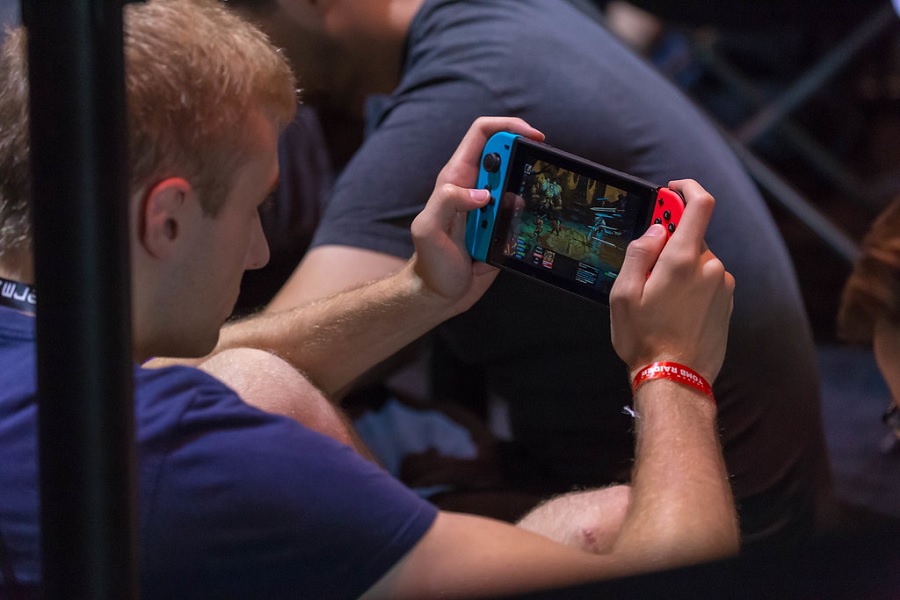
Nintendo Switch has been making headlines over the previous months, but it was not always for good reasons. A massive security breach that affected Nintendo eShop accounts was previously confirmed. It now appears that the damage was much more severe. Nintendo confirmed that around 300,000 accounts -- double than the previously announced figure -- were hacked.
How 300,000 Nintendo Switch users’ accounts got hacked
Nintendo Switch users and journalists who use the console reported suspicious activities in April where illegal transactions were made on their Nintendo eShop accounts. The issue was later confirmed by Nintendo, and after a week the company reported it has detected around 160,000 accounts were affected by the security issue.
However, Nintendo has since provided and announced that the accounts affected by the hack are around 300,000 along with an explanation of how this happened. Players who used 3DS and Wii devices most likely signed up for a Nintendo Network ID (NNID). When the Nintendo Switch arrived, its users were made to open Nintendo Account as a new login and console management system, but they were also given the option to link their NNID to it.
Fast forward to the security breach, Nintendo found that the login information, including passwords, for NNID was compromised. As a result, linked Nintendo Accounts of Nintendo Switch users have also been hacked. There have been reports of illegal purchases, especially to those that had their PayPal accounts added as a payment method.
What Nintendo has done so far to address the massive hacking incident?
The security breach prompted the Japanese video game giant to suspend the option to link NNID to Nintendo Accounts for Switch users. Affected accounts will also receive an email to advise them to change passwords. The company’s update also mentioned they have started processing refunds for illegal purchases that went through due to the hack.
Aside from unlinking NNID from Nintendo Account, the company strongly advises users to not use the same password on the two systems. Nintendo Switch users also have the option to set up a two-factor authentication prompt so their accounts would require unique codes on top of the login credentials before it can be accessed.
Featured photo by Marco Verch licensed under Creative Commons (CC BY 2.0)













