


 Trump Signs Executive Order Threatening 25% Tariffs on Countries Trading With Iran
  Gold and Silver Prices Slide as Dollar Strength and Easing Tensions Weigh on Metals
  Pentagon Ends Military Education Programs With Harvard University
  U.S. Lawmakers to Review Unredacted Jeffrey Epstein DOJ Files Starting Monday
  Oil Prices Slide on US-Iran Talks, Dollar Strength and Profit-Taking Pressure
  Trump’s Inflation Claims Clash With Voters’ Cost-of-Living Reality
  South Korea Assures U.S. on Trade Deal Commitments Amid Tariff Concerns
  Vietnam’s Trade Surplus With US Jumps as Exports Surge and China Imports Hit Record
  Ohio Man Indicted for Alleged Threat Against Vice President JD Vance, Faces Additional Federal Charges
  Federal Judge Restores Funding for Gateway Rail Tunnel Project
  South Korea’s Weak Won Struggles as Retail Investors Pour Money Into U.S. Stocks
  South Africa Eyes ECB Repo Lines as Inflation Eases and Rate Cuts Loom
  Netanyahu to Meet Trump in Washington as Iran Nuclear Talks Intensify
  Missouri Judge Dismisses Lawsuit Challenging Starbucks’ Diversity and Inclusion Policies
  Asian Stocks Slip as Tech Rout Deepens, Japan Steadies Ahead of Election
  Trump Lifts 25% Tariff on Indian Goods in Strategic U.S.–India Trade and Energy Deal
  Singapore Budget 2026 Set for Fiscal Prudence as Growth Remains Resilient


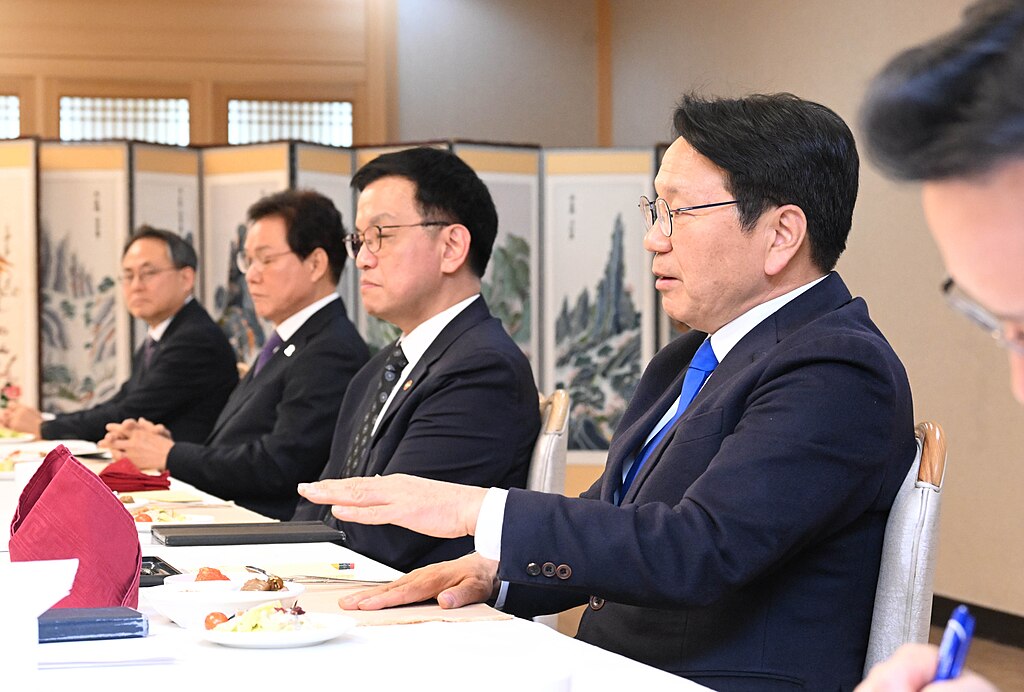
South Korea is preparing emergency support measures for industries most affected by a new 25% U.S. import tariff, set to take effect this Wednesday under President Donald Trump’s latest trade policy. Finance Minister Choi Sang-mok emphasized the need to assess macroeconomic impacts and respond swiftly to urgent sector needs, particularly the auto industry.
The tariff, announced by Trump on April 2, targets key U.S. trading partners, including South Korea. In response, South Korean officials are strategizing ahead of Trade Minister Cheong In-kyo’s visit to Washington, which will mark the fifth high-level outreach by the Ministry of Industry, Trade and Energy since Trump took office. Cheong previously visited in March, following other senior officials seeking tariff exemptions.
South Korea’s acting President Han Duck-soo stated last week that the government would finalize aid measures for the automotive sector and push for negotiations with the U.S. administration. Automobiles accounted for 27% of South Korea’s record $127.8 billion in exports to the U.S. in 2024, making the sector especially vulnerable.
Despite not engaging directly with South Korea’s leadership, Trump invited Hyundai Motor Group Chairman Euisun Chung to the White House following the automaker’s pledge to invest $21 billion in the U.S.
Meanwhile, South Korea’s financial regulator urged state-run banks and institutions to ensure liquidity support for exporters and contractors hit by the tariffs. As the benchmark KOSPI index plunged to a 17-month low amid global risk aversion, authorities announced plans for a 100 trillion won ($68 billion) market stabilization package to counter potential financial fallout.
These rapid policy responses reflect Seoul’s urgent efforts to shield its economy from escalating trade tensions and safeguard key export sectors.













