


 Sony Q3 Profit Jumps on Gaming and Image Sensors, Full-Year Outlook Raised
  SoftBank and Intel Partner to Develop Next-Generation Memory Chips for AI Data Centers
  Once Upon a Farm Raises Nearly $198 Million in IPO, Valued at Over $724 Million
  Amazon Stock Rebounds After Earnings as $200B Capex Plan Sparks AI Spending Debate
  Washington Post Publisher Will Lewis Steps Down After Layoffs
  Nintendo Shares Slide After Earnings Miss Raises Switch 2 Margin Concerns
  Baidu Approves $5 Billion Share Buyback and Plans First-Ever Dividend in 2026
  Nvidia, ByteDance, and the U.S.-China AI Chip Standoff Over H200 Exports
  Alphabet’s Massive AI Spending Surge Signals Confidence in Google’s Growth Engine
  SpaceX Pushes for Early Stock Index Inclusion Ahead of Potential Record-Breaking IPO
  Weight-Loss Drug Ads Take Over the Super Bowl as Pharma Embraces Direct-to-Consumer Marketing
  Nvidia Confirms Major OpenAI Investment Amid AI Funding Race
  Instagram Outage Disrupts Thousands of U.S. Users
  Anthropic Eyes $350 Billion Valuation as AI Funding and Share Sale Accelerate
  Toyota’s Surprise CEO Change Signals Strategic Shift Amid Global Auto Turmoil
  Nvidia CEO Jensen Huang Says AI Investment Boom Is Just Beginning as NVDA Shares Surge
  Ford and Geely Explore Strategic Manufacturing Partnership in Europe


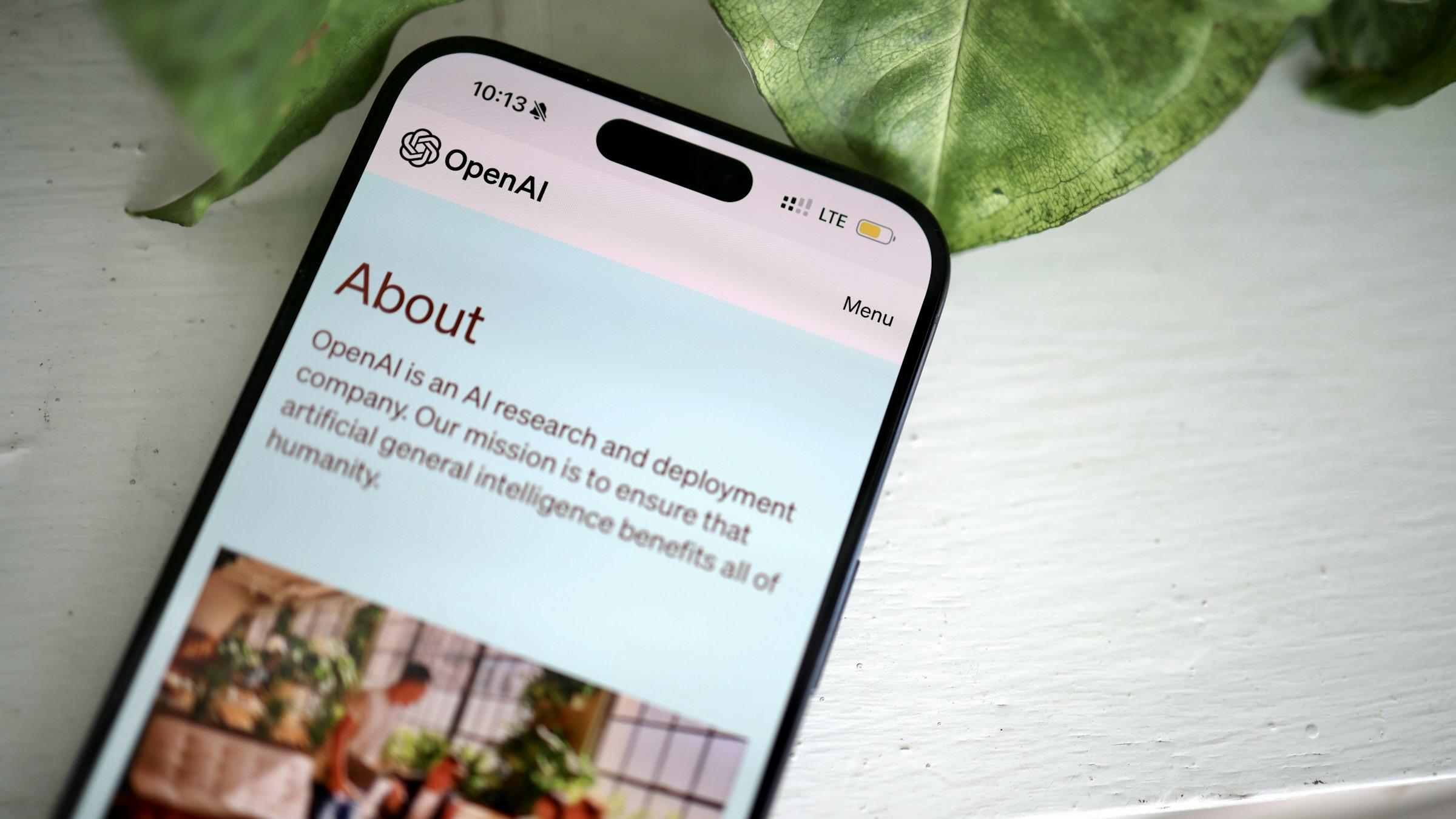
OpenAI CEO Sam Altman has revealed that the company might transition to a for-profit model. This move coincides with Elon Musk's recent dropping of his lawsuit against the AI firm.
OpenAI's Future Path: From Nonprofit to For-Profit
According to a report that was published on Friday by The Information, OpenAI CEO Sam Altman disclosed to a few shareholders that the company is contemplating adapting its governance structure to that of a for-profit organization that is not under the jurisdiction of the nonprofit board of directors.
According to the story, which cited a source who heard the remarks, Altman stated that the board is contemplating a for-profit benefit organization, which is a format that competitors like Anthropic and xAI are embracing.
According to The Information (via Reuters), the negotiations regarding the restructuring are fluid, and Altman and his other directors may finally opt to take a different strategy.
OpenAI's Commitment to Public Benefit
OpenAI issued the following statement in response to questions posed by Reuters regarding the report: "We remain focused on building AI that benefits everyone. The nonprofit is core to our mission and will continue to exist."
Ironically, Elon Musk dropped his lawsuit against ChatGPT developer OpenAI and CEO Sam Altman a few days ago, accusing them of forsaking the startup's initial objective of building artificial intelligence for humanity.
Elon Musk's Allegations and Legal Actions
The Guardian reports that in his lawsuit, Musk alleged that Altman and OpenAI had broken their agreement by turning into a for-profit company that cooperated with Microsoft and withheld its technology from the public.
Both OpenAI and Altman strongly rejected the allegations, claiming that no "founding agreement" existed and providing correspondence that seemed to indicate Musk was in favor of turning the company into a for-profit enterprise.
Also in March, OpenAI and Altman expressed their disappointment that "we're sad that it's come to this with someone whom we've deeply admired" on their blog, basically accusing Musk of professional jealousy.
Legal professionals were skeptical of Musk's lawsuit because they felt several of the assertions made in it, like that OpenAI had developed AI that could compete with human intelligence, did not make sense.
Photo: Solen Feyissa/Unsplash













