


 Supreme Court Blocks 5th Circuit Ruling on Abortion Pill Access
  CDC Confirms U.S. Ebola Case Linked to Congo Outbreak as Travel Restrictions Tighten
  The government is ‘doubling down’ on its social media ban. But bigger penalties for platforms aren’t enough
  Alcohol is one of the most dangerous drugs, yet its presence is ubiquitous in social settings and celebrations
  Venezuela Earthquake Health Risks Rise as Disease Monitoring Intensifies
  Novo Nordisk Raises 2026 Outlook on Strong Wegovy Demand
  NIH Infectious Disease Leadership Shake-Up Raises Concerns Amid Ebola, Hantavirus Outbreaks
  Trump Reportedly Approves Plan to Remove FDA Commissioner Marty Makary Amid Growing Controversies
  Medicare to Cover GLP-1 Weight-Loss and Diabetes Drugs Starting July 1
  TrumpRx Expands Discount Drug Access With 600 Generic Medications
  UNAIDS Urges U.S. to Reconsider South Africa HIV Funding Withdrawal
  White House Seeks $1.4 Billion to Combat Growing Ebola Outbreak
  Supreme Court Blocks 5th Circuit Ruling on Abortion Pill Access
  France Keeps Top Health Alert as Officials Brace for Another Heatwave
  RFK Jr. Spokesman Resigns Over Trump Administration’s Flavored E-Cigarette Policy


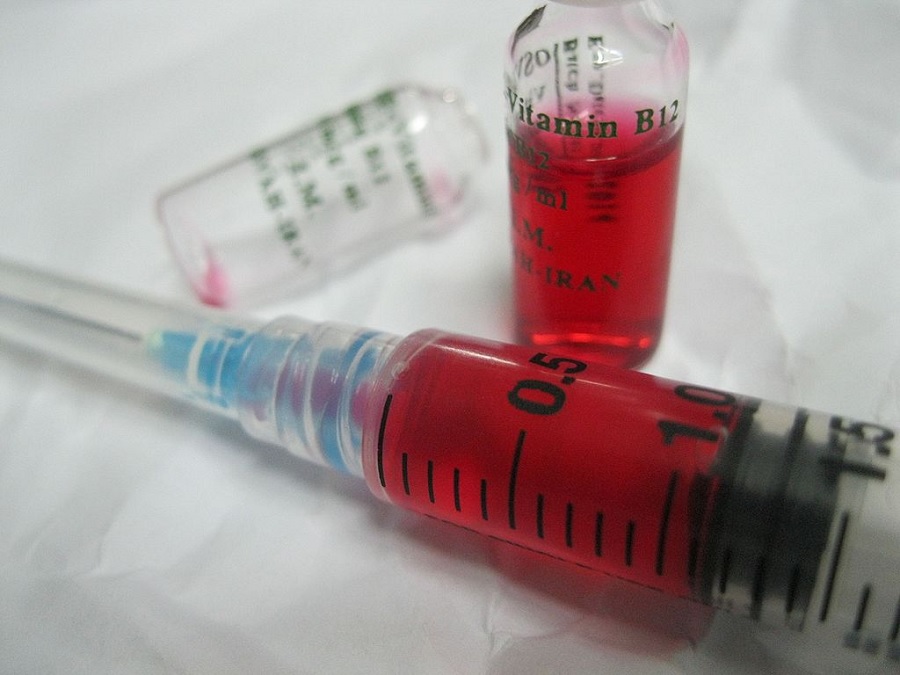
A person suffering from pernicious anemia cannot produce enough healthy red blood cells. Since it is what transports oxygen throughout the body, this condition can lead to some serious health issues. However, there are readily available treatments and even proven healthy practices that one can maintain to manage this condition.
Pernicious anemia: Causes and symptoms
Pernicious anemia is sometimes mistaken as similar to vitamin B-12 deficiency. The confusion might be rooted in the fact that the production of healthy red blood cells requires certain levels of this vitamin, along with folate and iron. Of these three components, vitamin B-12 is absorbed by the body through a protein in the stomach called intrinsic factor.
The Pernicious Anemia Society stresses that this condition is an autoimmune disease because it results from the production of antibodies that eliminate the intrinsic factor. This then causes a person’s inability to absorb vitamin B-12. Meanwhile, the National Institute of Health also notes that people can also get diagnosed with pernicious anemia if their diet does not consist of enough vitamin B-12.
One of the known and most common symptoms of pernicious anemia is fatigue. Some other signs to look out for include shortness of breath, dizziness, difficulty in maintaining balance, pale or yellowish skin, chest pains, and coldness of the hands and feet, among others. It is pertinent to check the linked sources above to see the rest of the symptoms. And, as with other medical conditions, persistent symptoms should not be dismissed.
Pernicious anemia: How to treat it
The Latin origin of the word “pernicious” is “death” because getting diagnosed with pernicious anemia, until 1920, used to be a death sentence. Today, luckily, there are several ways to treat this condition by supplying the body with vitamin B-12.
It can be administered through injections, pills, nose gel, or spray. This is also why seeing a doctor is important because they can determine, depending on the severity of a patient’s pernicious anemia, what is the best treatment option. For patients who will be recommended with injected medicine, the frequency can also change over time.
With or without pernicious anemia, it is important to maintain a healthy diet. The best food sources of vitamin B-12 include various kinds of meat, seafood, eggs, and dairy products. People keeping a vegetarian or vegan diet can opt for soy-based drinks, fortified cereals, and foods packed with nutritional yeast.







