


 India–U.S. Interim Trade Pact Cuts Auto Tariffs but Leaves Tesla Out
  Trump Signs “America First Arms Transfer Strategy” to Prioritize U.S. Weapons Sales
  Federal Judge Restores Funding for Gateway Rail Tunnel Project
  Missouri Judge Dismisses Lawsuit Challenging Starbucks’ Diversity and Inclusion Policies
  Japan Election 2026: Sanae Takaichi Poised for Landslide Win Despite Record Snowfall
  Trump Endorses Japan’s Sanae Takaichi Ahead of Crucial Election Amid Market and China Tensions
  Trump Backs Nexstar–Tegna Merger Amid Shifting U.S. Media Landscape
  New York Legalizes Medical Aid in Dying for Terminally Ill Patients
  Iran–U.S. Nuclear Talks in Oman Face Major Hurdles Amid Rising Regional Tensions
  U.S. Announces Additional $6 Million in Humanitarian Aid to Cuba Amid Oil Sanctions and Fuel Shortages
  TrumpRx.gov Highlights GLP-1 Drug Discounts but Offers Limited Savings for Most Americans
  Norway Opens Corruption Probe Into Former PM and Nobel Committee Chair Thorbjoern Jagland Over Epstein Links
  Trump’s Inflation Claims Clash With Voters’ Cost-of-Living Reality
  Pentagon Ends Military Education Programs With Harvard University
  Nighttime Shelling Causes Serious Damage in Russia’s Belgorod Region Near Ukraine Border
  Trump Allows Commercial Fishing in Protected New England Waters
  Trump Signs Executive Order Threatening 25% Tariffs on Countries Trading With Iran


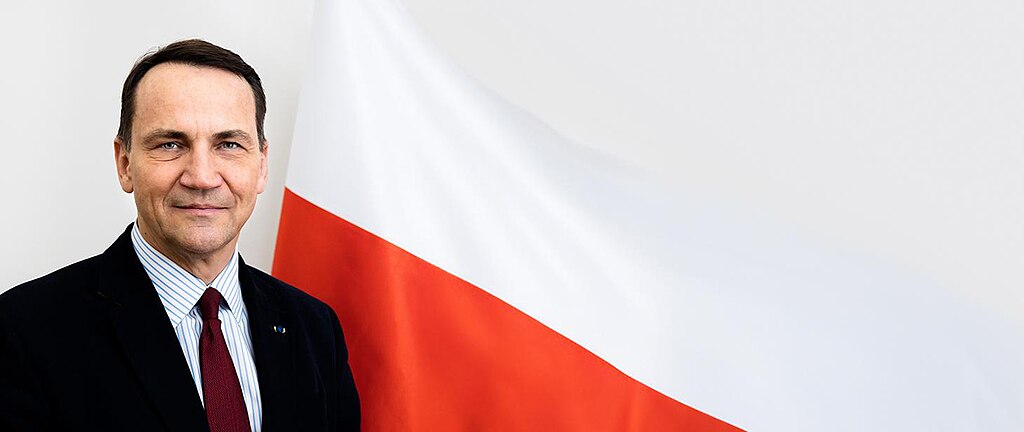
Polish Foreign Minister Radoslaw Sikorski has stated that Europe will not form a unified army in response to threats from Russia, despite calls from Ukrainian President Volodymyr Zelenskiy for a European military force. In an interview with TVP World, Sikorski emphasized that while he supports the European Union enhancing its defense capabilities, unifying national armies is unlikely. Zelenskiy had urged the creation of a European army, citing concerns over reduced U.S. protection and the need for a stronger European defense to gain respect from Washington.
Sikorski clarified that the EU is currently working on establishing a reinforced brigade but stressed that European defense should include national, NATO, and EU components. He highlighted the importance of EU subsidies to bolster the defense industry and enhance production capacity, ultimately aiming for an EU force that can stand independently. Sikorski also reaffirmed that Polish troops would not be deployed to Ukraine, as Poland's primary obligation under NATO is to protect its eastern flank.
The discussion around a European army has intensified amid ongoing security threats from Russia and uncertainties about U.S. military support. Sikorski’s stance reflects a pragmatic approach, balancing national interests with collective European defense efforts. The EU's focus on strengthening its defense infrastructure and fostering collaboration among member states underscores the growing need for self-reliance in the face of geopolitical challenges. As the EU continues to enhance its military capabilities, the debate over a unified European army remains complex, with national sovereignty and strategic alliances at the forefront. Sikorski’s comments highlight the nuanced approach required to navigate Europe's defense landscape while ensuring preparedness against potential threats from Russia.













