


 NASA's Artemis II Mission: First Crewed Lunar Journey Since Apollo
  Neuralink Plans High-Volume Brain Implant Production and Fully Automated Surgery by 2026
  FDA Pilot Program Eases Rules for Nicotine Pouch Makers
  Blue Origin’s New Glenn Achieves Breakthrough Success With First NASA Mission
  China vs. NASA: The New Moon Race and What's at Stake by 2030
  Blue Origin New Glenn Explosion Could Delay Launch Operations Until 2028
  SpaceX Pivots Toward Moon City as Musk Reframes Long-Term Space Vision
  SpaceX’s Starship Completes 11th Test Flight, Paving Way for Moon and Mars Missions
  Cogent Biosciences Soars 120% on Breakthrough Phase 3 Results for Bezuclastinib in GIST Treatment
  Eli Lilly’s Inluriyo Gains FDA Approval for Advanced Breast Cancer Treatment
  SpaceX Delays Starship V3 Launch Ahead of Potential Record IPO


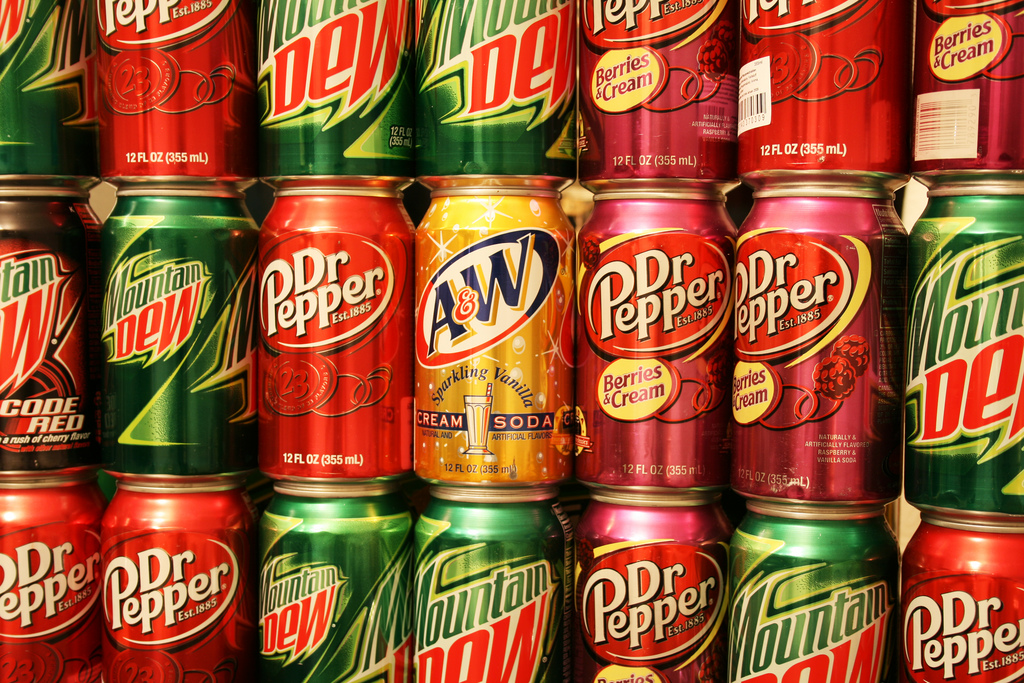
One of the biggest contributors to the ballooning waistlines in the U.S. is the increasing consumption of junk food and sugary drinks. Health experts have long been waging a tough campaign against the unhealthy industry. Unfortunately, the results pin the junk food industry as the winning side. Many have speculated that taxing soda, chips, and other unhealthy snacks could be a good way to combat obesity, and researchers have recently concluded that this was legally viable.
The conclusion was made by New York University researchers and it is expected to cause quite a bit of controversy. According to the press release discussing the matter, the researchers found that imposing the same taxes on junk food as is already being done on tobacco is technically viable under the current legal system. The study’s lead author, Jennifer L. Pomeranz confirms as much in a statement.
“Economic and social environments can influence food choice in beneficial and harmful directions. Our finding that a federal manufacturer excise junk food tax — defined through product category or combined category-nutrient approaches — appears to be legally and administratively feasible and has strong implications for nutrition policy,” Pomeranz said.
Their findings were published in the American Journal of Public Health, where the researchers conclude that an excise tax enforced on a federal level and imposed on manufacturers would be a good option. This conclusion was echoed and already proposed by many health and law experts, citing several countries and even states that already have some form of junk food tax.
Now, it’s worth pointing out that it really doesn’t matter which party the tax is imposed. Consumers are still going to end up paying more if the manufacturers are slapped with higher taxes since they’ll pass on the extra expense to buyers by increasing the prices.
It’s been proven that past methods have not been effective in curbing obesity. A radical solution might be the only solution.







