


 Oppenheimer Sees CNH Industrial as Top 2026 Agriculture Stock Pick on Dealer Consolidation Strategy
  South Korea Central Bank Set to Raise Interest Rates as Inflation Stays Elevated
  Morgan Stanley Names Marks & Spencer Top European Retail Pick, Sees Strong Upside
  BOJ May Raise Japan Growth Forecast While Keeping Focus on Inflation Risks
  Oil Prices Surge as U.S.-Iran Conflict Escalates and Strait of Hormuz Risks Grow
  OpenAI Executive Fidji Simo to Step Down Amid Health Challenges Ahead of IPO
  Dollar Holds Steady Ahead of U.S. CPI as Oil Surge, Middle East Tensions Keep Markets on Edge
  Gold Price Holds Near $4,000 as Middle East Tensions and Fed Rate Hike Bets Grow
  Morgan Stanley Says China’s Reusable Rocket Progress Poses Long-Term Challenge to SpaceX
  Mastercard Explores Sale of Majority Stake in UK Payments Firm Vocalink: Report
  Asia Stocks Slip as Iran-Hormuz Tensions Lift Oil Prices, Dollar and Bond Yields
  Levi Strauss Raises 2026 Outlook After Q2 Earnings Beat, Shares Drop Despite Strong Results
  Samsung to Launch First Yongin Chip Plant by 2029 as South Korea Speeds Up Semiconductor Hub
  UBS Starts CarTrade Tech With Buy Rating, Sees Strong Earnings Growth and ₹4,000 Target
  Elon Musk Says Anthropic Leads AI Race as Claude Models Challenge OpenAI
  US Inflation Expected to Ease in June, but Fed Rate Hike Risks Persist Amid Middle East Tensions
  Dollar Rises as Middle East Conflict Fuels Inflation and Rate Hike Fears


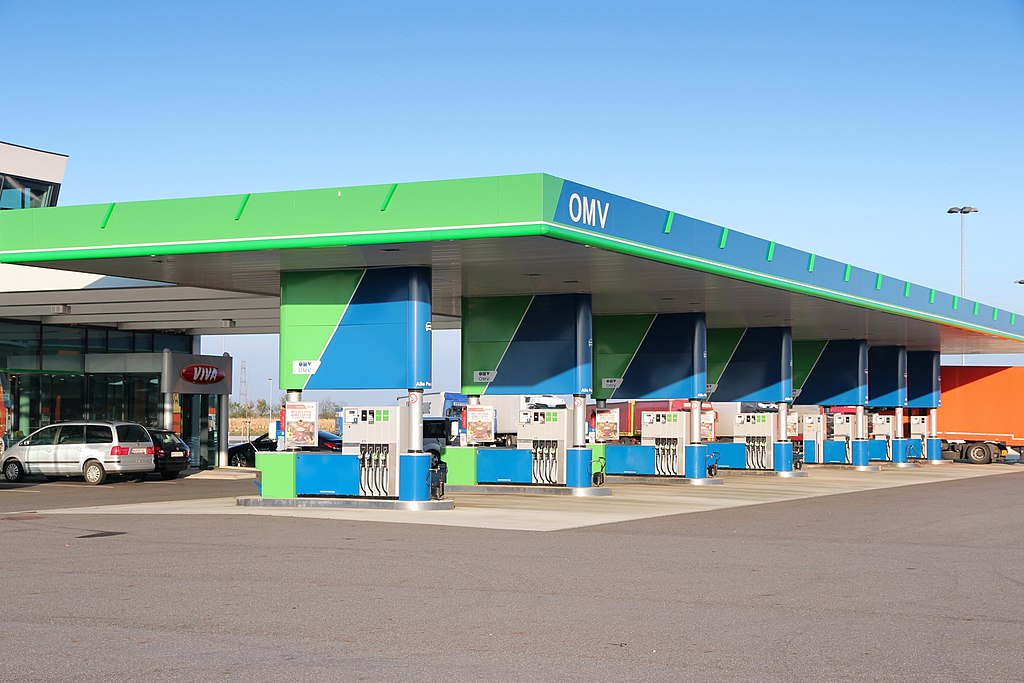
In a dramatic escalation of Europe’s energy woes, Russia abruptly halted gas supplies to Austria on Saturday over a contentious payment dispute involving Austria's largest energy firm, OMV, and Russian state-owned Gazprom. Despite the suspension, Russia continued to pump gas through its key European transit route via Ukraine, keeping the flow steady for other remaining buyers.
Austria, heavily reliant on Russian gas, faced the abrupt cutoff after OMV sought to offset a €230 million ($242 million) arbitration award against invoices for gas supplied via Ukraine. Gazprom responded by ceasing deliveries to OMV, a move that underscores Moscow's tightening grip on its dwindling European customer base.
A Fragile Energy Web at Risk
Russia’s gas supplies to Europe, once dominant, have dwindled to a shadow of their former levels, following the 2022 Nord Stream pipeline explosions and Europe’s push to reduce reliance on Moscow amidst the Ukraine war. The Urengoy-Pomary-Uzhgorod pipeline, a Soviet-era lifeline for Russian gas to Europe via Ukraine, is now one of the few remaining conduits. However, this pipeline is set to shut down by year-end as Kyiv has refused to extend the existing transit agreement.
Austria’s energy regulator, E-Control, confirmed the halt in Gazprom’s deliveries but reassured consumers that domestic prices and supplies remain stable due to ample reserves. OMV, which typically accounts for 40% of Russian gas flows through Ukraine, is now left scrambling to secure alternatives.
Impact on Europe’s Energy Dynamics
While Austria has stockpiles to weather immediate shortages, the broader implications of this cutoff ripple across the continent. Slovak state-owned energy firm SPP reported increased gas demand from other buyers, emphasizing Europe’s continued reliance on Russian energy despite ongoing efforts to diversify. Hungary and Slovakia remain the last major European recipients of Russian gas, with Hungary reliant on a pipeline passing through Turkey.
The International Energy Agency noted that in 2023, Russian gas transiting via Ukraine accounted for 65% of demand in Austria and its neighboring countries. The latest disruption further strains a region already grappling with energy security concerns.
Political and Economic Fallout
As Europe confronts its dwindling ties to Russian energy, political tensions remain high. Austrian officials said no immediate substitutes were sought from Germany or Italy, while Moscow doubled down on its narrative of fulfilling contractual obligations. Meanwhile, the Kremlin highlighted its readiness for “mutually beneficial cooperation” if Europe signals interest, a thinly veiled jab at the EU’s pivot toward U.S. and Qatari gas suppliers.
The cutoff also comes amid continued fallout from the destruction of the Nord Stream pipelines. While Moscow blames the U.S. and Britain for the sabotage, reports have suggested Ukrainian involvement—an allegation Kyiv denies.
What Lies Ahead?
With Gazprom’s market share in Europe plummeting from 35% pre-war to a mere fraction, the long-term economic and geopolitical repercussions remain significant. For Austria and its eastern neighbors, finding stable energy solutions grows increasingly urgent as the clock ticks on the Ukraine transit route's closure.







