


 Trump Allows Commercial Fishing in Protected New England Waters
  Pentagon Ends Military Education Programs With Harvard University
  Trump Backs Nexstar–Tegna Merger Amid Shifting U.S. Media Landscape
  Nighttime Shelling Causes Serious Damage in Russia’s Belgorod Region Near Ukraine Border
  India–U.S. Interim Trade Pact Cuts Auto Tariffs but Leaves Tesla Out
  Trump Allegedly Sought Airport, Penn Station Renaming in Exchange for Hudson River Tunnel Funding
  Trump Endorses Japan’s Sanae Takaichi Ahead of Crucial Election Amid Market and China Tensions
  Trump Signs “America First Arms Transfer Strategy” to Prioritize U.S. Weapons Sales
  Ohio Man Indicted for Alleged Threat Against Vice President JD Vance, Faces Additional Federal Charges
  Iran–U.S. Nuclear Talks in Oman Face Major Hurdles Amid Rising Regional Tensions
  Trump’s Inflation Claims Clash With Voters’ Cost-of-Living Reality
  TrumpRx.gov Highlights GLP-1 Drug Discounts but Offers Limited Savings for Most Americans
  Netanyahu to Meet Trump in Washington as Iran Nuclear Talks Intensify
  China Warns US Arms Sales to Taiwan Could Disrupt Trump’s Planned Visit
  Trump Lifts 25% Tariff on Indian Goods in Strategic U.S.–India Trade and Energy Deal
  South Korea Assures U.S. on Trade Deal Commitments Amid Tariff Concerns
  US Pushes Ukraine-Russia Peace Talks Before Summer Amid Escalating Attacks


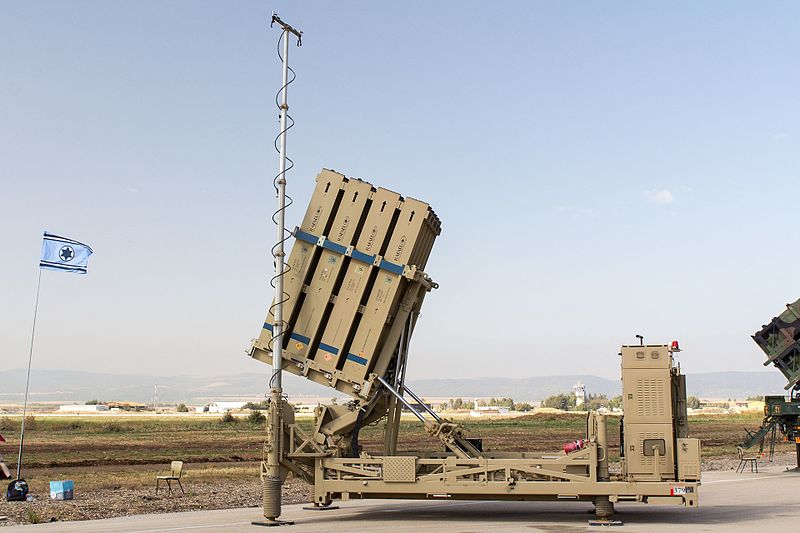
The Ukrainian ambassador to Israel said that an Israeli-designed missile detection system is being tested in Kyiv and is set to be activated in two months. The missile alert system would give Ukrainians some time to take cover from Russian missiles that have been bombarding Ukraine and reducing its towns and cities to rubble.
On Thursday, the Ukrainian ambassador to Israel, Yevgen Korniychiuk, said the Israeli-designed system is being tested in Kyiv and is being supplied with data from Ukrainian radars. Korniychiuk added that when complete, the system will inform residents of areas that would be struck by Russian missiles or drones by either sirens or mobile phone alerts.
“It allows for identifying the different objects including ballistic missiles and calculates where they will go and basically that allows us to close certain parts of the country rather than the whole country,” Korniychiuk told Reuters, referring to the air-shelter orders that would be issued when under a missile or drone attack.
“Some residents will be told on their phones how much time they have to jump into their shelter while in other parts of Kyiv people will be able to sit and have coffee,” said Korniychiuk.
Korniychiuk added that the system would also provide more precise alerts that would sound alarms in individual neighborhoods that are under threat. The Ukrainian envoy to Israel said the system would allow Kyiv to close in parts rather than as a whole.
Last year, Israel agreed to share technologies with Ukraine despite putting off Kyiv’s requests for military assistance. One such request was the Iron Dome, which Israel uses to intercept rockets fired from Gaza by Palestinian militants.
Meanwhile, the British defense ministry, in its intelligence bulletin on Friday, said that an increase in Russian rail accidents in the border regions was likely the work of unknown saboteurs and has also likely resulted in short-term “localized disruption to Russian military rail movements.”
The ministry added that while Moscow’s Railway Troop Brigades are able to restore lines immediately, the recent incidents would only put more pressure on Russia’s internal security forces, which may be unable to fully protect Russia’s rail networks from a potential attack.













