


 Genesis Minerals to Acquire Vault in A$5.6 Billion Deal After Regis Withdraws
  Nvidia Tightens AI Chip Sales in Asia With Stricter Customer Approval Process
  Samsung Chairman Lee Jae-yong Expected to Meet Nvidia CEO Jensen Huang on AI and Chip Partnership
  Australia Flags Child Safety Gaps at Apple, Meta, Google Over Online Sexual Extortion
  Samsung to Launch First Yongin Chip Plant by 2029 as South Korea Speeds Up Semiconductor Hub
  SK Hynix’s $28 Billion U.S. Share Sale Draws Massive Demand Amid AI Chip Boom
  Muji Owner Ryohin Keikaku Stock Soars After Raising Full-Year Earnings Forecast
  Levi Strauss Raises 2026 Outlook After Q2 Earnings Beat, Shares Drop Despite Strong Results
  Apple Sues OpenAI, Former Employees Over Alleged Trade Secret Theft
  SK Hynix’s $28B U.S. IPO Draws Strong Demand as AI Chip Boom Fuels Investor Interest
  SoftBank Corp Partners With Sierra to Expand AI Customer Support Across Japan
  Apple Tests China's CXMT Memory Chips as DRAM Maker Gains Global Market Share
  Morgan Stanley Says China’s Reusable Rocket Progress Poses Long-Term Challenge to SpaceX
  DOJ Grand Jury Investigates UAW President Shawn Fain Ahead of Union Election
  Oppenheimer Sees CNH Industrial as Top 2026 Agriculture Stock Pick on Dealer Consolidation Strategy
  Kitron Q2 Revenue Beats Estimates as Defense Demand Lifts Growth


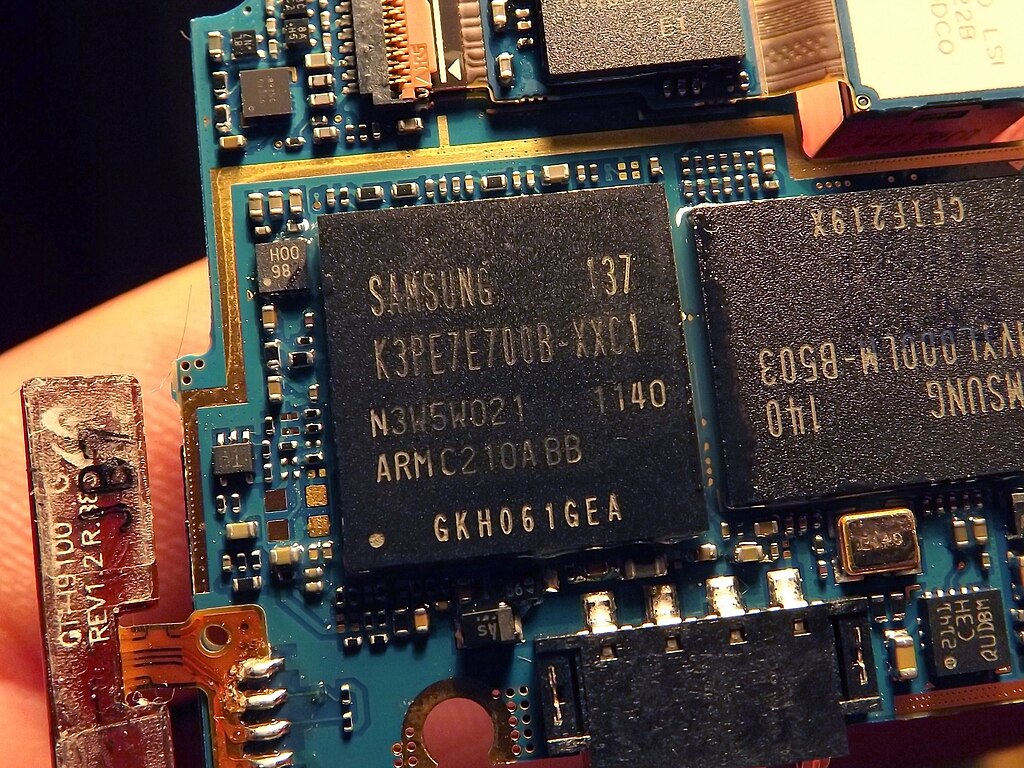
Samsung Electronics posted a 55% drop in second-quarter operating profit as delays in high-bandwidth memory (HBM) chip shipments and U.S. export restrictions on advanced semiconductor sales to China continued to weigh on its core chip business.
The world’s largest memory chip maker reported operating profit of 4.7 trillion won ($3.37 billion) for April–June, nearly matching its earlier estimate of 4.6 trillion won, which had already fallen short of market expectations. Revenue edged up 0.7% year-on-year to 74.6 trillion won, in line with its preliminary forecast.
The ongoing slump underscores growing investor concerns about Samsung’s competitiveness in next-generation HBM chips, crucial for artificial intelligence data centers and used by major clients like Nvidia (NASDAQ: NVDA). The company faces intensifying competition from smaller rivals that have gained traction in the AI-driven semiconductor market.
Adding a potential boost, Tesla (NASDAQ: TSLA) recently announced a $16.5 billion agreement to source chips from Samsung, a deal that could strengthen the South Korean giant’s foundry business, which manufactures semiconductors on contract.
Despite the revenue uptick, prolonged weakness in profitability highlights the challenges Samsung faces in regaining momentum in the rapidly evolving AI and semiconductor sectors. Industry analysts say its ability to accelerate HBM production and navigate U.S.-China export tensions will be key to reclaiming market leadership in the coming quarters.
Samsung’s performance is closely watched as a bellwether for global tech demand, particularly as AI-driven chip competition intensifies across the industry. Investors remain cautious but hopeful the Tesla partnership and potential recovery in chip demand could mark a turning point later this year.







