


 U.S. to Begin Paying UN Dues as Financial Crisis Spurs Push for Reforms
  Trump Allows Commercial Fishing in Protected New England Waters
  Trump Endorses Japan’s Sanae Takaichi Ahead of Crucial Election Amid Market and China Tensions
  India–U.S. Interim Trade Pact Cuts Auto Tariffs but Leaves Tesla Out
  TrumpRx.gov Highlights GLP-1 Drug Discounts but Offers Limited Savings for Most Americans
  Trump Backs Nexstar–Tegna Merger Amid Shifting U.S. Media Landscape
  Jack Lang Resigns as Head of Arab World Institute Amid Epstein Controversy
  Trump’s Inflation Claims Clash With Voters’ Cost-of-Living Reality
  U.S. Lawmakers to Review Unredacted Jeffrey Epstein DOJ Files Starting Monday
  Trump Signs Executive Order Threatening 25% Tariffs on Countries Trading With Iran
  Trump Signs “America First Arms Transfer Strategy” to Prioritize U.S. Weapons Sales
  U.S. Announces Additional $6 Million in Humanitarian Aid to Cuba Amid Oil Sanctions and Fuel Shortages
  Pentagon Ends Military Education Programs With Harvard University
  Trump Lifts 25% Tariff on Indian Goods in Strategic U.S.–India Trade and Energy Deal
  Netanyahu to Meet Trump in Washington as Iran Nuclear Talks Intensify
  China Warns US Arms Sales to Taiwan Could Disrupt Trump’s Planned Visit
  South Korea Assures U.S. on Trade Deal Commitments Amid Tariff Concerns


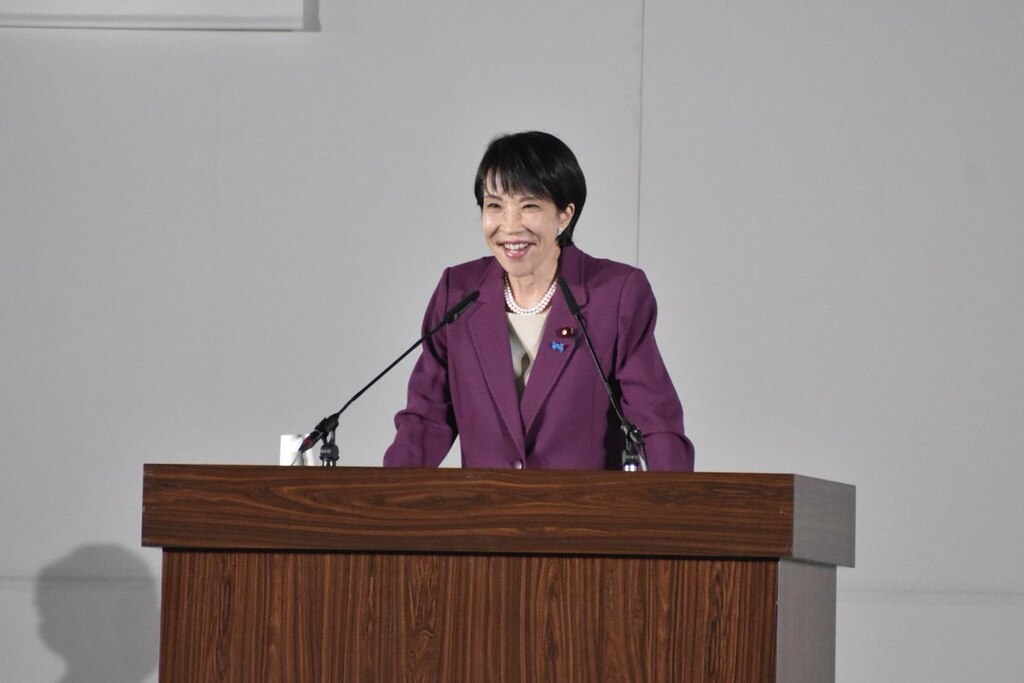
Japan is on the verge of a historic political moment as conservative lawmaker Sanae Takaichi is set to become the country’s first female prime minister, following a decisive coalition deal between the Liberal Democratic Party (LDP)and the Japan Innovation Party (Ishin). The parliamentary vote on Tuesday will likely confirm her leadership, marking both a milestone for gender representation and a shift toward right-wing politics in Asia’s second-largest economy.
A protégé of former Prime Minister Shinzo Abe, Takaichi’s victory symbolizes a breakthrough in a nation where political and corporate leadership remains overwhelmingly male. However, her rise is not viewed as a step toward progressive reform. Instead, analysts see her ascent as part of Japan’s conservative resurgence, reflecting growing concerns over economic stagnation, rising living costs, and immigration policies.
Takaichi has long advocated traditional family values, including opposition to changing Japan’s law requiring married couples to share the same surname. Her firm stance on national security and fiscal expansion suggests she will pursue aggressive economic stimulus to counter sluggish growth—an approach that has already boosted investor confidence. The Nikkei share average surged to a record high on Tuesday in anticipation of her pro-spending policies.
Adding to the historic nature of her administration, Takaichi plans to appoint Satsuki Katayama—another Abe ally—as finance minister, making Katayama Japan’s first woman to hold that position. Known for her expertise in financial systems and economic revitalization, Katayama’s appointment underscores Takaichi’s intent to strengthen Japan’s financial leadership while maintaining conservative principles.
With the coalition holding 231 lower house seats, just shy of a majority, Takaichi’s path to victory appears secure. Her leadership marks not only a gender milestone but also the beginning of a new—and more nationalist—chapter in Japan’s political landscape.













