


 New York Legalizes Medical Aid in Dying for Terminally Ill Patients
  U.S.-India Trade Framework Signals Major Shift in Tariffs, Energy, and Supply Chains
  Trump Says “Very Good Talks” Underway on Russia-Ukraine War as Peace Efforts Continue
  Iran–U.S. Nuclear Talks in Oman Face Major Hurdles Amid Rising Regional Tensions
  Japan Election 2026: Sanae Takaichi Poised for Landslide Win Despite Record Snowfall
  Trump Lifts 25% Tariff on Indian Goods in Strategic U.S.–India Trade and Energy Deal
  Jack Lang Resigns as Head of Arab World Institute Amid Epstein Controversy
  Federal Judge Restores Funding for Gateway Rail Tunnel Project
  Trump Allows Commercial Fishing in Protected New England Waters
  South Korea Assures U.S. on Trade Deal Commitments Amid Tariff Concerns
  Trump Endorses Japan’s Sanae Takaichi Ahead of Crucial Election Amid Market and China Tensions
  U.S. to Begin Paying UN Dues as Financial Crisis Spurs Push for Reforms
  TrumpRx Website Launches to Offer Discounted Prescription Drugs for Cash-Paying Americans
  Norway Opens Corruption Probe Into Former PM and Nobel Committee Chair Thorbjoern Jagland Over Epstein Links
  TrumpRx.gov Highlights GLP-1 Drug Discounts but Offers Limited Savings for Most Americans
  Trump Signs “America First Arms Transfer Strategy” to Prioritize U.S. Weapons Sales
  India–U.S. Interim Trade Pact Cuts Auto Tariffs but Leaves Tesla Out


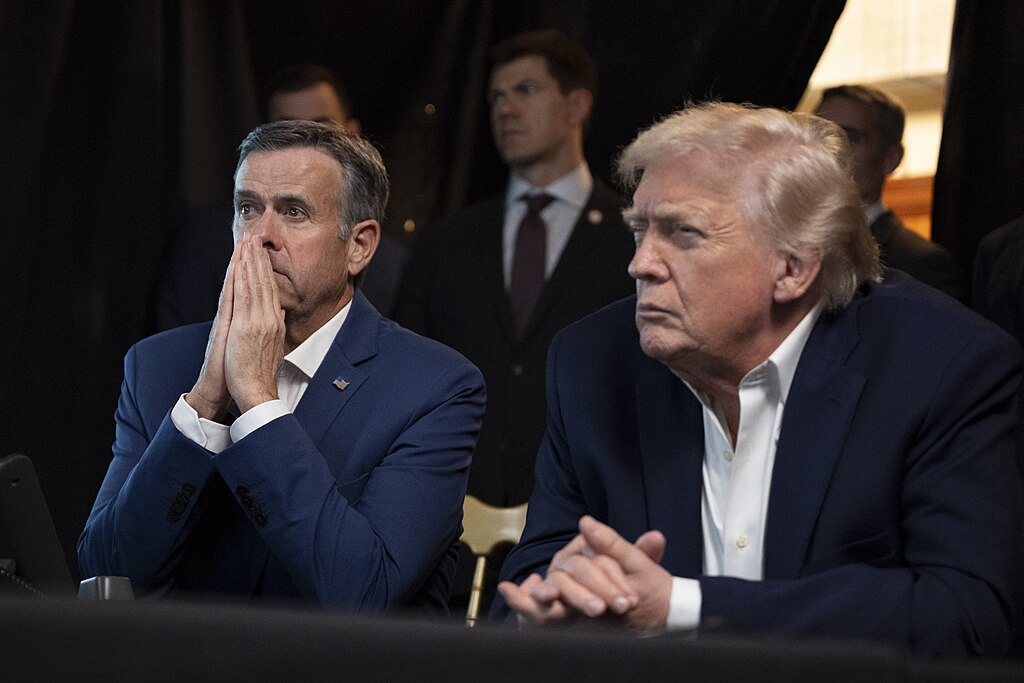
The U.S. Senate is preparing for a closely watched vote on a war powers resolution that would prevent President Donald Trump from taking further military action against Venezuela without explicit congressional authorization. Supporters of the measure believe it has a realistic chance of passing, following a narrow 49–51 vote on a similar resolution just months ago.
The vote comes days after U.S. forces captured Venezuelan President Nicolás Maduro during a high-profile military operation in Caracas. That action followed months of escalating U.S. military pressure, including attacks on Venezuelan boats off the country’s coast. Lawmakers are now questioning whether the administration misled Congress about its intentions, especially after previously stating it did not plan regime change or direct strikes on Venezuelan territory.
Republican Senator Rand Paul of Kentucky, who is co-sponsoring the resolution alongside Democratic Senator Tim Kaine of Virginia, said several Republicans who opposed the measure in the past are reconsidering their position. While Republicans hold a 53–47 majority in the Senate, even a small shift could change the outcome. Concerns about the cost, scope, and duration of U.S. involvement in Venezuela appear to be driving this reassessment.
If the Senate approves the resolution, it would mark a significant victory for lawmakers asserting Congress’s constitutional authority over war powers. However, major obstacles remain. The measure would still need approval from the Republican-controlled House of Representatives and would likely face a presidential veto, requiring a two-thirds majority in both chambers to become law.
Opponents argue that the capture of Maduro was a law enforcement operation rather than a military campaign and maintain that the president retains broad authority as commander-in-chief to conduct limited actions for national security. Supporters counter that ongoing strikes, oil seizures, and statements about U.S. control of Venezuela indicate a broader military engagement that demands congressional approval.
The upcoming vote underscores growing bipartisan tension over executive military authority and U.S. policy toward Venezuela.













