


 Trump Signs “America First Arms Transfer Strategy” to Prioritize U.S. Weapons Sales
  Trump Says “Very Good Talks” Underway on Russia-Ukraine War as Peace Efforts Continue
  Trump Backs Nexstar–Tegna Merger Amid Shifting U.S. Media Landscape
  Trump Allegedly Sought Airport, Penn Station Renaming in Exchange for Hudson River Tunnel Funding
  New York Legalizes Medical Aid in Dying for Terminally Ill Patients
  Missouri Judge Dismisses Lawsuit Challenging Starbucks’ Diversity and Inclusion Policies
  TrumpRx Website Launches to Offer Discounted Prescription Drugs for Cash-Paying Americans
  U.S.-India Trade Framework Signals Major Shift in Tariffs, Energy, and Supply Chains
  U.S. Lawmakers to Review Unredacted Jeffrey Epstein DOJ Files Starting Monday
  Trump Lifts 25% Tariff on Indian Goods in Strategic U.S.–India Trade and Energy Deal
  Trump’s Inflation Claims Clash With Voters’ Cost-of-Living Reality
  Trump Signs Executive Order Threatening 25% Tariffs on Countries Trading With Iran
  China Warns US Arms Sales to Taiwan Could Disrupt Trump’s Planned Visit
  Jack Lang Resigns as Head of Arab World Institute Amid Epstein Controversy
  Iran–U.S. Nuclear Talks in Oman Face Major Hurdles Amid Rising Regional Tensions
  U.S. Announces Additional $6 Million in Humanitarian Aid to Cuba Amid Oil Sanctions and Fuel Shortages
  India–U.S. Interim Trade Pact Cuts Auto Tariffs but Leaves Tesla Out


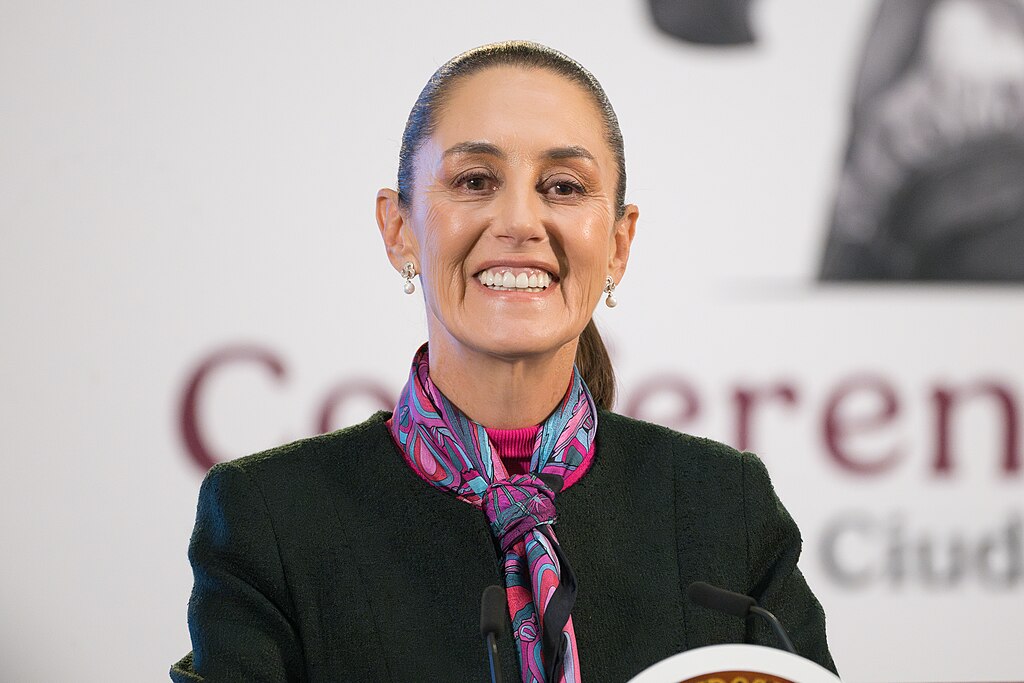
Mexican President Claudia Sheinbaum has refuted claims that U.S. President-elect Donald Trump proposed military intervention in Mexico to combat drug cartels. Sheinbaum clarified that while Trump has expressed intentions to designate Mexican cartels as terrorist organizations, he did not suggest any form of intervention during their discussions.
Clarifying Misconceptions
In a recent statement, Sheinbaum addressed the spread of misinformation regarding U.S. intentions toward Mexico's internal security matters. She emphasized that the narrative suggesting Trump proposed intervention is unfounded and constitutes "fake news." Sheinbaum reiterated Mexico's commitment to maintaining its sovereignty and stated that any collaboration with the United States would be based on mutual respect and non-intervention.
Focus on Bilateral Cooperation
Sheinbaum highlighted plans to enhance collaboration with the United States in key areas such as migration, security, and trade. She underscored the importance of addressing shared challenges through joint efforts, particularly in managing migration flows, combating organized crime, and strengthening economic ties. The President expressed optimism that through constructive dialogue, both nations can develop effective strategies that respect each country's sovereignty while promoting regional stability.
Public Reaction
The discourse surrounding U.S.-Mexico relations has elicited varied responses on social media platforms. Twitter user @BorderObserver commented, "It's crucial for both nations to work together without overstepping boundaries." In contrast, @SovereigntyGuard noted, "Mexico must remain vigilant against any form of foreign intervention." User @TradeAdvocate expressed, "Strengthening trade relations will benefit both economies; collaboration is key."
Meanwhile, @MigrationMatters remarked, "Addressing migration requires a humane and coordinated approach between the U.S. and Mexico." Additionally, @SecurityWatch tweeted, "Joint security efforts can curb organized crime, but must respect national sovereignty." Finally, @PolicyAnalyst opined, "Diplomatic engagement based on mutual respect will lead to sustainable solutions for both countries."













